2026 Best Flavouring Extracts for Global Buyers?
Choosing the best flavouring extracts for global buyers in 2026 requires more than comparing prices. Buyers must examine sensory performance, origin, stability, documentation, and regulatory fit. A bright orange extract may perform well in a beverage, yet fade quickly after pasteurisation. Vanilla can offer warmth and familiarity, but supply volatility and harvest conditions may affect cost and consistency.
Industry data supports this cautious approach. Grand View Research identifies continued growth in the global flavours and fragrances market, driven by clean-label products, functional beverages, and natural ingredient demand. Innova Market Insights also highlights botanical, citrus, and locally inspired profiles as important directions in new food and drink launches. These reports indicate opportunity, not certainty. Forecasts differ by methodology, region, and product category.
Reliable sourcing therefore depends on practical evidence. Buyers should request certificates of analysis, allergen statements, origin records, shelf-life data, and regulatory declarations. For European sales, Regulation (EC) No 1334/2008 remains relevant; US buyers should review applicable FDA requirements. IFRA guidance may also matter when extracts enter fragrance applications rather than foods. The strongest suppliers can explain extraction methods, carrier systems, batch variation, and recommended dosage.
This guide compares flavouring extracts through a buyer’s lens. It considers vanilla, citrus, mint, spice, fruit, and botanical options across applications and markets. No ranking is universal. A technically excellent extract may still fail because its aroma feels artificial, its colour changes, or its paperwork arrives late. That uncomfortable detail matters. Global buying is not only about flavour; it is about repeatable performance and accountable supply.
Flavouring Extracts: Definition, Types, and Global Applications
2026 Best Flavouring Extracts for Global Buyers?
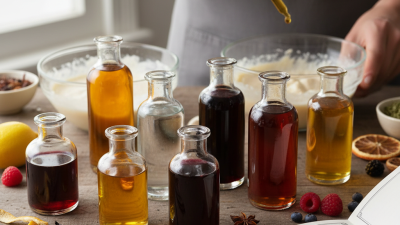
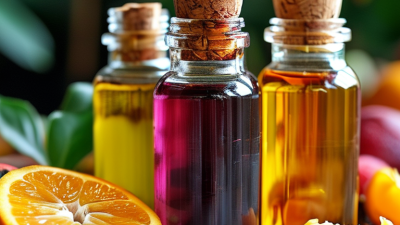
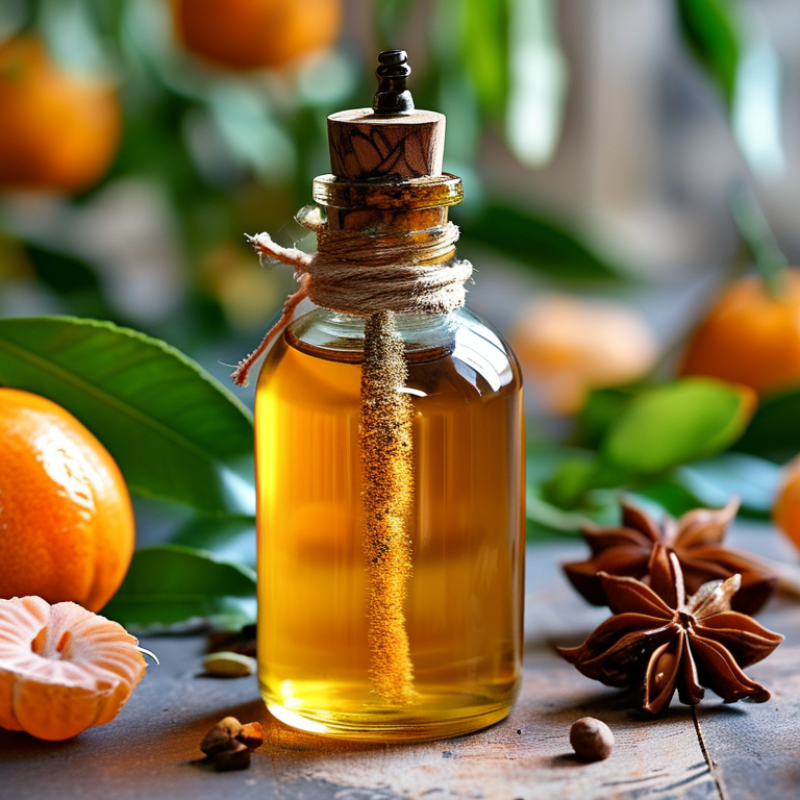
Flavouring extracts are concentrated preparations made by drawing aromatic compounds from fruits, herbs, spices, flowers, or other approved materials. They add recognizable taste and aroma to beverages, bakery products, dairy foods, confectionery, and prepared meals. Common types include water-based, alcohol-based, oil-soluble, and natural botanical extracts. Each behaves differently under heat, acidity, and storage conditions.
Performance depends on application. A citrus extract may brighten a sparkling drink, while vanilla extract can soften sweetness in a baked filling. Oil-soluble extracts suit fat-rich products, but water-based versions disperse more easily in clear beverages. The choice is rarely universal. Small details matter. Extraction method, carrier ingredients, allergen statements, and batch consistency should be checked before purchase.
Global demand remains substantial. Grand View Research reported that the worldwide food flavors market was valued at approximately USD 18.9 billion in 2023, with continued growth expected through 2030. The MarketsandMarkets Food Flavors Market report also identifies beverages, bakery, and dairy as major application areas. These figures describe the wider flavor sector, not extracts alone. That distinction matters. Buyers should review sensory samples, technical data sheets, stability results, and Codex-aligned labeling information. A pleasant aroma at first opening may fade after pasteurization. That is an easy mistake. Experienced sourcing teams test the extract inside the final recipe, not only in a small glass.
Key Factors for Evaluating Extract Quality in 2026
For global buyers, the best flavouring extract in 2026 is not simply the strongest or cheapest option. Quality begins with a clear raw-material identity, a documented extraction method, and consistent sensory results. Buyers should request the botanical name, plant part, country of origin, and batch number. Small details matter.
A reliable supplier should provide a current certificate of analysis for every production batch. Check the testing method, laboratory credentials, moisture level, microbial results, and relevant contaminant limits. Stability data is also important. An extract may smell excellent in a sample vial but fade after heat, light, or storage. Real product trials can reveal this weakness.
Traceability should continue from farm records to final packaging. Ask how suppliers manage seasonal variation, transport conditions, and batch changes. Taste panels should compare several lots, not one attractive sample. No scorecard is perfect. I have seen buyers overvalue aroma intensity and overlook solubility or label documentation. That mistake can create delays during formulation and import review. Clear specifications, retained samples, and written change-notification procedures make purchasing more dependable. Keep questions specific.
Top Natural and Synthetic Extract Categories for International Buyers
2026 Best Flavouring Extracts for Global Buyers?
Top Natural and Synthetic Extract Categories for International Buyers
International buyers are reviewing flavour extracts with sharper questions in 2026. Natural vanilla, citrus, berry, coffee, cocoa, and botanical extracts remain widely requested. Each category brings different sourcing challenges. Vanilla needs stable curing and careful moisture control. Citrus extracts may lose brightness during heat processing. Berry extracts often require colour and oxidation checks.
Synthetic extracts support consistency, cost control, and reliable supply. Common categories include vanillin, ethyl vanillin, fruit profiles, caramel notes, and selected spice compounds. They can perform well in beverages, bakery fillings, confectionery, and dairy applications. However, synthetic does not mean automatically better. Buyers should check composition, permitted use levels, origin statements, and country-specific documentation.
Small details matter. Ask for batch records, allergen declarations, shelf-life data, and suitable certificates before placing large orders. A sample should be tested in the real product matrix, not only in water. Heat, acidity, fat, and storage can change the final taste. Natural extracts may offer a softer, less uniform profile. Synthetic options may appear cleaner but sometimes taste flat. This is where supplier expertise matters, although it can be overstated. I would also question vague claims such as “premium” or “clean.” Clear specifications, traceability, and honest limitations are more useful for international purchasing decisions.
Global Safety, Labeling, and Regulatory Compliance Requirements
2026 Best Flavouring Extracts for Global Buyers?
Global Safety, Labeling, and Regulatory Compliance Requirements
Flavouring extracts cross borders with more than aroma and taste. They also carry safety, traceability, and labeling responsibilities. The World Health Organization estimates that contaminated food causes 600 million illnesses and 420,000 deaths each year. That figure makes supplier verification more than a purchasing formality.
Global buyers should request a current specification, certificate of analysis, allergen statement, and batch traceability record. Residual solvents, heavy metals, microbiological limits, and pesticide residues need review.
Under EU Regulation 1334/2008, flavouring substances and extracts must meet defined safety and use conditions. Regulation 1169/2011 also requires clear allergen communication. In the United States, FDA 21 CFR 101.22 distinguishes natural and artificial flavour declarations. A “natural” claim is not automatically accepted everywhere.
The label should match the formula, not the sales description. Check botanical names, extraction carriers, country of origin, and storage instructions. Codex guidance supports transparent ingredient communication, but national rules can still differ.
A compliant document in one market may fail another review. I have seen buyers overlook small wording differences, especially around compound ingredients. That mistake is avoidable, but not always obvious.
Keep translated labels, supplier approvals, and change-control records together. Review them again before every shipment.
Sourcing, Pricing, and Supplier Selection for Flavouring Extracts
2026 Best Flavouring Extracts for Global Buyers?
Sourcing, Pricing, and Supplier Selection for Flavouring Extracts
Global buyers should define the application before comparing flavouring extracts. A beverage may need water dispersibility, while a bakery filling may need heat stability. Request the ingredient statement, allergen declaration, carrier details, and recommended use level. A small pilot batch can reveal separation, fading, or an unwanted aftertaste that documents miss. Ask for recent certificates of analysis and batch traceability. Independent testing is sensible when the extract affects a high-volume product.
Pricing is rarely just the quoted price per kilogram. Compare concentration, dosage, packaging, freight terms, shelf life, and minimum order quantity. A cheaper extract may require twice the dosage. Calculate cost per finished litre, not cost per drum. Supplier selection should include response time, production capacity, change-control procedures, and contingency plans. Check whether samples match commercial batches. They sometimes do not. This is an uncomfortable but useful question.
Tips: Keep a comparison sheet with sensory scores, delivery dates, and test results. Use identical storage conditions during trials. Confirm whether prices include export documents and temperature-controlled shipping. Negotiate only after specifications are fixed. Vague specifications create expensive disagreements. Review one failed trial openly; it may expose weak communication before a contract becomes difficult.