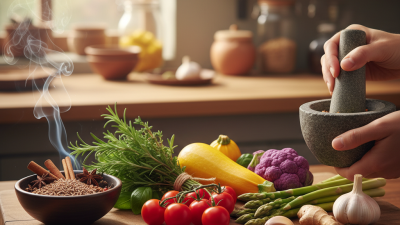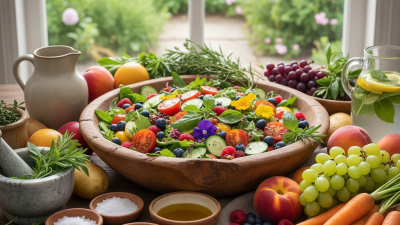

Achieving natural taste starts with a simple question: what should this food genuinely taste like? In a ripe tomato, that may mean fresh acidity, gentle sweetness, and a faint green aroma—not an overpowering burst of flavor. Yet “natural” is not one fixed sensory profile. Expectations shift with the product, the ingredients, and what people grew up eating. Getting that balance right takes careful formulation and repeated tasting.
Consumer research shows why the effort matters. The International Food Information Council’s 2024 Food & Health Survey found that taste influenced food and beverage purchases for 85% of respondents, ahead of price at 76%. That finding is useful, but it does not prove that consumers define “natural taste” in the same way. A survey records stated preferences; it cannot replace tasting tests with the people a product is designed for. Small differences matter: a herbal note can make soup feel fresher, while excess sweetness may mask the beans or vegetables.
A practical approach begins with quality ingredients, clear sensory targets, and controlled trials. Compare samples side by side, noting aroma, first taste, texture, and the flavor left after swallowing. Keep records. Recheck after processing and storage, because heat, oxygen, and time can change flavor. There is no shortcut. Sometimes the honest result is less intense than the first prototype—and that may be better. Product teams should also acknowledge trade-offs: a familiar flavor can be comforting, but it may not feel authentic to every audience. Natural taste is best treated as a testable product goal, not a promise that one recipe will please everyone.
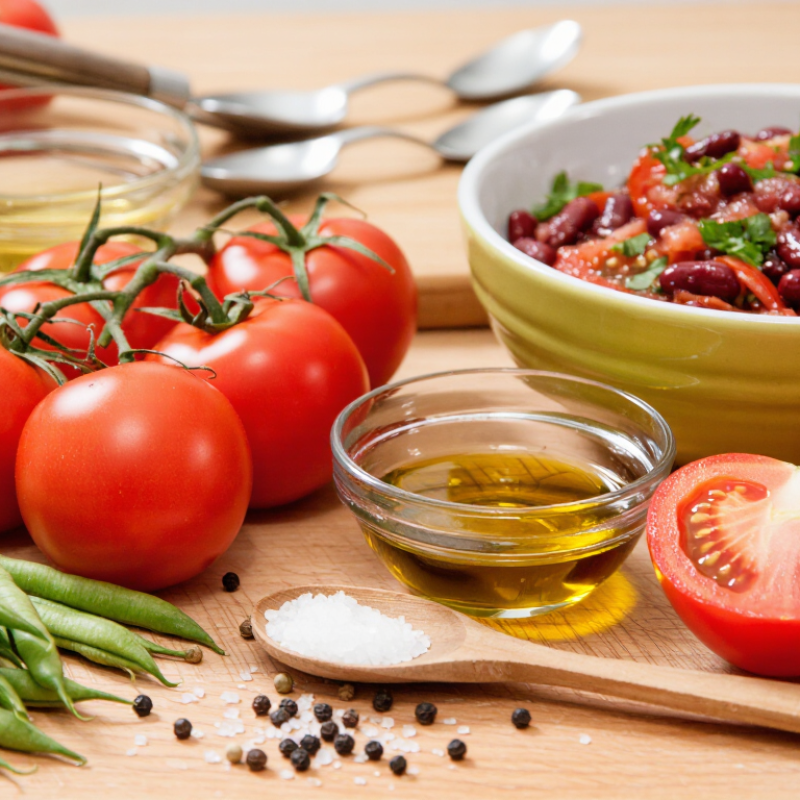
Defining natural taste starts with separating a sensory impression from an ingredient claim. “Natural” has no single flavor profile: it may suggest fresh, familiar, or minimally processed, but those expectations vary by food and culture. In the United States, the FDA’s longstanding policy generally describes “natural” as having nothing artificial or synthetic added that would not normally be expected in the food. It is not a formal definition of natural flavor or a guarantee of healthfulness.
Taste remains central to whether a product feels authentic. The International Food Information Council’s 2024 Food & Health Survey found that taste influenced food and beverage purchases for 85% of respondents. That makes sensory testing essential. A tomato soup, for example, may seem more natural when its acidity, cooked aroma, and savory notes are balanced—not when one note is simply intensified. Small changes matter. Too much herb can taste perfumed; excess sweetness can mask the ingredient’s character.
Developers can define the target with observable cues: aroma when opened, first-bite flavor, texture, and the taste that remains after swallowing. Compare prototypes with familiar reference foods, and record ingredient and process changes alongside tasting results. This is not perfectly objective. Panelists may disagree, and “homemade” can mean different things. Still, clear sensory language helps teams distinguish genuine ingredient character from a vague, polished idea of naturalness.
Authentic flavor begins with ingredients that taste complete before processing. Choose ripe fruit, fresh herbs, and oils with clean aromas, then check them in the form your recipe will use. A tomato puree may smell bright in a cup yet seem flat after heating. Test it warm. Record harvest dates, supplier specifications, and sensory notes, since crop variety and storage can shift sweetness, acidity, and aroma.
Prefer ingredients with short, understandable compositions when that choice also meets safety and stability needs. Whole spices can offer layered aroma when ground shortly before blending. Pre-ground spices may lose delicate notes during storage. Neither is always better. Compare them in the finished food, not just on a supplier sheet. Salt, acids, and sweeteners should support the main ingredient, not cover a weak or stale one.
Keep a small reference sample of each key ingredient and taste it beside incoming lots. That simple check can reveal a change before it reaches a full batch. Seasonal variation is real. Sometimes the less expensive ingredient tastes more honest; sometimes it needs careful adjustment. Document that judgment, then revisit it when the recipe or process changes.
How to read this: Lower-boiling aroma compounds may be more vulnerable to loss during open heating. Boiling point is only a rough guide—not a direct measure of flavor retention, which also depends on the food matrix, time, and processing conditions. Choosing ingredients with aroma profiles suited to the process can help preserve an authentic taste.
Approximate boiling points of pure compounds at 1 atm. Sources: PubChem: limonene, linalool, eugenol, and vanillin.
How to Achieve a Natural Taste in Food Products?
Choosing Processing Methods That Protect Taste
A natural-tasting product starts with ingredients at the right stage of ripeness. Overripe fruit may taste dull after heating, while slightly underripe fruit can seem sharp. Gentle processing helps preserve these differences. For heat-sensitive ingredients, short-time pasteurization may limit cooked or caramel-like notes compared with prolonged heating, provided the process is validated for safety. Small changes matter. Vacuum concentration can remove water at lower temperatures, helping retain fresh aromas in fruit bases. But it is not ideal for every recipe; some flavors develop with heat.
Oxygen and light also affect taste during processing and storage. Limit unnecessary exposure when mixing, pumping, or filling, and choose packaging that suits the product. For dried herbs or vegetables, lower-temperature drying may protect aroma, though it can take longer and produce uneven results. Not always. Run small pilot batches and compare them with the untreated ingredient using consistent tasting conditions. Record aroma, sweetness, acidity, and aftertaste—not just whether tasters say they like it. A process that preserves one flavor may mute another. I have seen a carefully controlled method still flatten a delicate note, so sensory checks should guide adjustments alongside reliable safety and quality testing.
How to Achieve a Natural Taste in Food Products?
A natural-tasting product should feel recognizable, not merely mild. A ripe tomato has sweetness, acidity, aroma, and a faint savory depth. If one note dominates, the tomato can taste oddly flat. Start by tasting the base ingredient on its own, then note what is missing rather than reaching for stronger seasoning.
Small adjustments often work better than heavy flavoring. A pinch of salt may bring out sweetness; a little lemon juice can sharpen a rich soup. In a plant-based sauce, toasted seeds or mushrooms may add depth without covering the vegetables. Add ingredients gradually, and taste at the temperature where the product will be served. Cold foods can seem less aromatic. Details matter.
Keep a simple tasting record. Write down each change, the amount used, and what tasters noticed, such as “too sharp” or “pleasantly earthy.” Use several tasters when possible, since familiarity can skew judgment. I have found that this process can still miss the mark: a balanced sample in the test kitchen may taste dull after storage. That is a useful reminder to test real conditions, not just the best spoonful. Sometimes, less is better. But not always.
| Food Product | Natural Character to Preserve | Common Flavor Imbalance | Balancing Approach | Practical Sensory Check |
|---|---|---|---|---|
| Tomato soup | Ripe tomato aroma, savory depth, and gentle acidity | Excessive sharpness, flat sweetness, or an overly cooked flavor | Adjust salt gradually; use a small amount of oil to round the texture, and balance acidity with naturally sweet vegetables such as carrot or onion rather than adding sweetness by default. | Tomato should remain the first impression, with acidity noticeable but not harsh and no single added flavor dominating. |
| Berry yogurt | Fresh berry aroma, mild tartness, and cultured dairy notes | Fruit tastes too sharp, too sweet, or muted by the yogurt base | Evaluate fruit and yogurt together. Adjust sweetness in small increments and consider fruit preparation or fruit solids before increasing flavor intensity. | The fruit should be identifiable while the yogurt still tastes cultured and dairy-like. |
| Vegetable broth | Clear vegetable aromas and a light, savory finish | Watery flavor, excessive salt, or a dominant single vegetable note | Build savory depth with a balanced mix of vegetables and herbs. Check salt after simmering, since reduction concentrates both flavor and saltiness. | The broth should taste rounded and recognizable, without a salty aftertaste or a heavy seasoning impression. |
| Whole-grain bread | Toasted grain, mild nuttiness, and a clean baked aroma | Bitterness, dryness, or a strong flavor that obscures the grain | Review grain proportions and baking conditions; use seeds or spices selectively so they complement rather than replace the grain aroma. | Grain should remain prominent, with a balanced crust aroma and no lingering bitterness. |
| Plant-based lentil patty | Earthy lentil notes, savory character, and a browned surface aroma | Earthiness feels too strong, or seasoning makes the product taste generic | Balance with aromatic vegetables, herbs, and appropriate browning. Adjust salt and acidity together through small, separate trials. | Lentil should remain recognizable, while the seasoning supports a savory, balanced finish. |
| Citrus beverage | Fresh citrus aroma, lively acidity, and a clean finish | Overly sour taste, excessive sweetness, or a bitter peel note | Check juice, peel, and sweetener levels independently. Use sweetness to balance acidity, not to cover bitterness; keep peel-derived notes restrained. | The drink should taste bright and citrus-led, without a cloying finish or persistent bitterness. |
| Mushroom sauce | Earthy mushroom aroma, savory depth, and a smooth finish | Muted mushroom flavor, excessive salt, or an overly heavy sauce | Use cooking to develop mushroom aroma and manage moisture. Add salt in stages, and balance richness with a modest amount of acidity where appropriate. | Mushroom should be the defining flavor, with enough acidity to keep the sauce from feeling heavy. |
A natural taste is not a single flavor note. It may mean fresh, mild, or familiar to one group of tasters, while another group notices bitterness or a lingering aftertaste. Sensory testing helps replace assumptions with observations. Serve samples in identical cups, at the same temperature, and under neutral lighting. Use random three-digit codes so tasters do not know which recipe they are trying. Ask them to rate aroma, sweetness, acidity, texture, and aftertaste separately. A sample can taste pleasant at first, then feel too heavy after several bites.
Tips: Offer water and plain crackers between samples. Keep the tasting area quiet. Limit each session to a few samples; tired palates give less reliable feedback.
Include both trained assessors and people who resemble the intended customers. Trained assessors can describe specific notes, such as cooked fruit or a sharp finish. Consumer tasters can show whether those notes feel appealing in everyday use. Collect ratings before discussion, since early opinions can sway the group. Compare results across more than one session and record preparation details, including batch and serving time. Even a careful panel can miss differences in real meals. That limitation is worth noting, not hiding. Use the findings to adjust one variable at a time, then test again.