Why Choose All Natural Flavor Extracts for Your Culinary Creations?
In the world of culinary arts, flavor is everything. Using all natural flavor extracts can truly elevate your dishes. These extracts capture the essence of real ingredients, enhancing taste without artificial additives. Imagine the vibrant notes of fresh vanilla or the zesty brightness of citrus. These are not just flavors; they are experiences.
Choosing all natural flavor extracts means embracing authenticity. They provide a depth of flavor that synthetic options simply cannot match. Yet, not all natural extracts are created equal. Many brands use low-quality sources, diluting their potency. It’s important to seek out high-quality options that reflect true ingredients.
Creating culinary masterpieces requires attention to detail. You may find that balancing flavors is both an art and a science. Sometimes, using all natural extracts can lead to unexpected results. These moments of imperfection allow for growth and learning. Taste your dish and adjust as needed. Make mistakes and discover new combinations that surprise you. Ultimately, all natural flavor extracts can be a tool for creativity and authenticity in the kitchen.

Benefits of Using All Natural Flavor Extracts in Cooking
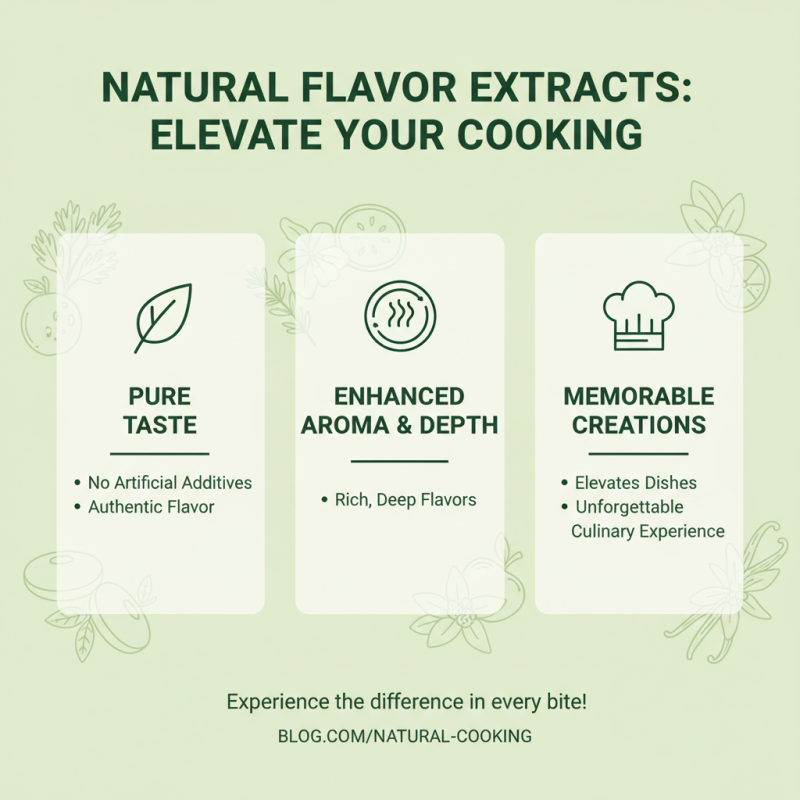
Using all natural flavor extracts in cooking offers a myriad of benefits. For one, they enhance the taste of dishes without artificial additives. Think about a homemade pie that uses real vanilla extract. The rich aroma and deep flavor elevate the dessert to something truly special. Natural extracts often provide a more authentic taste, making your culinary creations memorable.
Moreover, natural flavor extracts are often versatile. They can be added to both sweet and savory dishes. A splash of lemon extract can brighten up a fish dish, while almond extract can make cookies shine. However, it's essential to use these extracts wisely. Too much can overpower a dish. Achieving balance can be a learning curve in your cooking journey.
Some may find that experimentation leads to unexpected results. Perhaps a combination of coconut and ginger creates an undesirable mix. That's okay! Learning from these experiences is part of cooking. Embracing the process allows you to refine your skills while discovering what works best for your palate. The journey is just as important as the finished meal.
Differences Between Natural and Artificial Flavor Extracts
Natural flavor extracts are derived from real food sources. They offer a richer taste and complexity in dishes. These flavors capture the essence of fruits, herbs, and spices. Their aromas and flavors can transport your senses. For instance, vanilla extract made from real vanilla beans has a depth that synthetic versions lack.
Artificial flavor extracts, on the other hand, are crafted in laboratories. They often mimic natural flavors but can fall short. These synthetic options can deliver a consistent taste. Yet, they may lack the nuances that real ingredients provide. Some people might find them overly sweet or one-dimensional.
In many culinary creations, the choice between natural and artificial flavors can affect the final dish. Baking an apple pie with natural cinnamon creates an authentic aroma that wafts through the kitchen. Meanwhile, the same dish made with artificial flavor might not evoke the same memories. This raises questions about authenticity in cooking. Can we call a dish truly homemade if it relies on synthetic flavors? Choosing wisely can elevate your culinary experience.
Why Choose All Natural Flavor Extracts for Your Culinary Creations? - Differences Between Natural and Artificial Flavor Extracts
| Aspect |
Natural Flavor Extracts |
Artificial Flavor Extracts |
| Source |
Derived from natural sources like fruits or plants |
Synthesized through chemical processes |
| Flavor Profile |
Complex and nuanced flavor profiles |
Generally uniform and potentially one-dimensional |
| Health Considerations |
No artificial ingredients; often perceived as healthier |
May contain chemical additives and preservatives |
| Usage in Cooking |
Widely used in gourmet and health-focused recipes |
Common in mass-produced foods and snacks |
| Cost |
Generally higher due to sourcing and production |
Usually more affordable due to inexpensive production |
How to Incorporate Natural Flavor Extracts in Recipes
Natural flavor extracts are a fantastic way to elevate your dishes. They enhance the taste without artificial ingredients. You can use them in a variety of recipes. Consider adding vanilla extract to your pancake batter. Just a teaspoon can transform a simple dish into something delicious.
To incorporate extracts effectively, start with small amounts. A few drops can be enough to achieve vibrant flavors. For instance, when making smoothies, try almond extract for a unique twist. You might find that less is more. Experimenting is key, but it can lead to unexpected results. Sometimes, a dish may become too overpowering.
Baking is another great avenue for flavor extracts. Adding lemon extract to your frosting can create a refreshing zest. Be cautious, though. If overused, it might overshadow the primary flavors of your cakes. Always taste and adjust as necessary. Finding that perfect balance may take time. Embrace the process and enjoy discovering what works for you.
Why Choose All Natural Flavor Extracts for Your Culinary Creations?
Choosing the Right Natural Extracts for Your Dishes
When it comes to culinary creations, the choice of flavor extracts can greatly influence the dish. Natural extracts provide a vibrant essence that artificial flavors can't match. They are derived from real ingredients like fruits, herbs, and spices. This gives your dishes a depth of taste that pleases the palate.
Consider the different profiles of flavor extracts. For example, vanilla extract adds warmth, while almond extract introduces a nutty sweetness. Experimenting can yield surprising results. However, too much of an extract can overpower the dish. It's essential to find that balance. Sometimes, a dish might lack complexity if you don’t use enough variation in flavors.
Selecting the right extract requires a bit of intuition. Think about the main ingredients in your recipe. What complements, what contrasts? Reflecting on past experiences can help. Did a particular flavor enhance a meal? Or did it clash? Learning from these moments refines your palate. By choosing natural extracts, you can create dishes that spark joy and curiosity. Let your creativity flow with every drop.
Storage Tips for Preserving the Quality of Flavor Extracts
Proper storage of all-natural flavor extracts is crucial for maintaining their quality and potency. According to a report by the International Journal of Food Science, flavor extracts can lose up to 30% of their aroma compounds if not stored correctly. The environment plays a significant role in this degradation process.
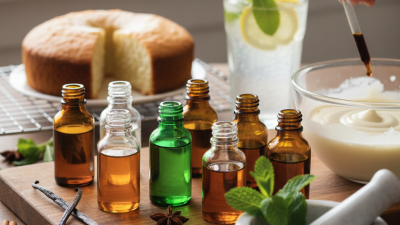
Light, heat, and humidity are common enemies of flavor extracts. Exposure to sunlight can diminish their flavor profile, leading to bland culinary results. Using dark glass bottles can help shield extracts from light. Additionally, storing them in a cool, dry place is essential. This practice ensures the extracts stay vibrant and usable for an extended period.
It's common to overlook the signs of deteriorating flavor. Unpleasant odors or an off taste can be subtle at first. Regularly checking for these changes can help prevent wasting high-quality extracts. A study from the Journal of Culinary Science also shows that flavor complexity diminishes over time, impacting the overall culinary experience. It’s vital to remain vigilant about how extracts are stored. Using airtight containers in a temperature-controlled environment can make all the difference.