Top Benefits of Freeze Dried Fruits for Health and Nutrition?
In recent years, Freeze Dried Fruits have gained popularity among health enthusiasts. Dr. Emily Johnson, a nutritionist and expert in the field, emphasizes their advantages. She once stated, “Freeze Dried Fruits retain nutrients better than traditional drying methods.” This makes them an appealing choice for those seeking a healthy diet.
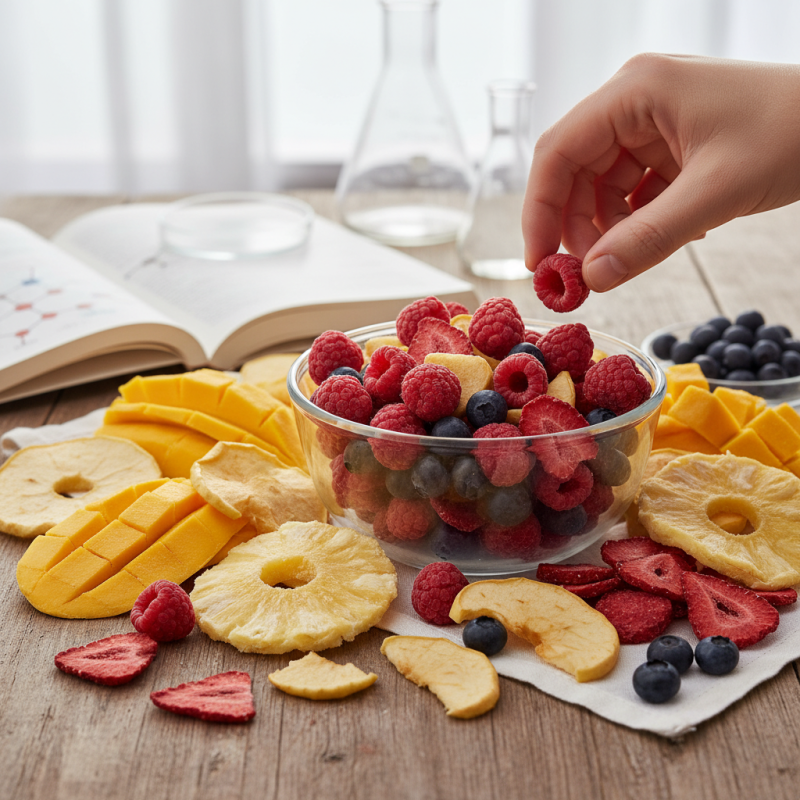
The process of freeze drying preserves the flavor and texture of the fruits. It removes moisture while keeping essential vitamins intact. As a result, you get a snack that is both nutritious and delicious. Many people enjoy using these fruits in smoothies, cereals, or even as standalone snacks.
However, some may overlook the importance of quality. Not all Freeze Dried Fruits are created equal. Consumers should look for products with no added sugars or preservatives. This ensures they gain the maximum health benefits. It’s worth taking the time to research and choose wisely.
Understanding Freeze Dried Fruits: Definition and Process
Freeze dried fruits are a popular choice for health enthusiasts. What makes them unique? Understanding their definition and process reveals their appeal. Freeze drying is a method that removes moisture from fruits, preserving their nutrients and flavor. The process begins with selecting ripe fruits. They are then washed and sliced. After this, they undergo rapid freezing.
Once frozen, the fruits are put in a vacuum. Here, ice turns into vapor, bypassing the liquid stage. This method retains color, texture, and, most importantly, vitamins. For instance, strawberries can maintain their vibrant red hue while losing nearly all their moisture. This can be appealing for snacking or adding to meals.
Yet, freeze-dried fruits can sometimes fall short. Some people miss the fresh taste and texture. They can be pricey too, which may not fit everyone’s budget. Still, they are convenient for storage and offer a longer shelf life. As with all foods, there is a balance between convenience and authenticity. Consider your options carefully.
Nutritional Advantages of Freeze Dried Fruits Compared to Fresh Fruits
Freeze-dried fruits are gaining popularity for their nutritional benefits. They retain much of the vitamins and minerals found in fresh fruits. For example, freeze drying effectively preserves vitamin C. This process removes moisture while keeping the fruit's essential nutrients intact.
While fresh fruits are often touted for their health benefits, freeze-dried varieties offer convenience. They have a longer shelf life and can be easily stored. However, some nutrients may be lost during the freeze-drying process. The texture changes, making them crunchy rather than juicy. Yet, this unique texture can make them a fun snack option.
Nutritionally, freeze-dried fruits still hold an edge. They can pack more fiber, contributing to better digestion. The flavors can become more concentrated, which can enhance their taste. But, they might lack the hydration found in fresh fruits. It's essential to balance consumption of both forms. Each has its place in a healthy diet.
Long Shelf Life: How Freeze Dried Fruits Preserve Nutrients
Freeze dried fruits offer a remarkable solution for those seeking nutritious snacks with long shelf lives. The freeze drying process removes moisture at low temperatures, preserving vitamins and minerals that are often lost in traditional drying methods. Research indicates that freeze dried fruits retain about 90% of their nutrients, making them a great choice for health-conscious individuals.
With a shelf life exceeding 25 years, freeze dried fruits are ideal for emergency kits and daily consumption. They require no refrigeration, making them versatile and convenient. For example, a study by the Food Research Institute noted that freeze dried strawberries maintained their vitamin C levels, while fresh strawberries lost over 30% of this nutrient after only a few days of refrigeration.
While freeze dried fruits provide health benefits, potential drawbacks exist. Some people find the texture less appealing compared to their fresh counterparts. Nutrient retention varies based on the fruit type and storage conditions. Additionally, the lack of moisture can make them less satisfying as a snack for some. It’s essential to weigh these factors when choosing freeze dried options for your diet.
Convenience and Versatility in Cooking with Freeze Dried Fruits
Freeze-dried fruits offer incredible convenience in the kitchen. They are lightweight, making them easy to store and carry. When you’re on the go or need a quick snack, these fruits are perfect. They retain most of their nutrients while being incredibly easy to use. Just add them to water, and they rehydrate quickly.
Versatility is another major advantage. You can toss freeze-dried fruits into smoothies, oatmeal, or salads. They can add natural sweetness without the extra calories. Consider using them in baking, too. Sprinkle some over muffins or pancakes for extra flavor. However, be cautious about overusing them; they can dominate the dish if you’re not careful.
Cooking with freeze-dried fruits might take some practice. If they are too dry, they might not provide the texture you expect. Finding the right balance can be tricky. Sometimes they might seem less appealing in certain dishes. Experimentation is key in mastering their use. The variety of fruits available can inspire creativity in your meals.
Health Benefits: Impact on Diet and Overall Well-being
Freeze-dried fruits offer impressive health benefits that can enhance your diet. These fruits retain most of their nutrients, making them a valuable addition to meals. With their vibrant colors and natural sweetness, they can be easily incorporated into smoothies or snacks. Imagine sprinkling freeze-dried strawberries over yogurt. It's not just tasty; it boosts your vitamin intake significantly.
The convenience of freeze-dried fruits makes them ideal for busy lifestyles. They have a long shelf life and require no refrigeration. Tossing them into your bag provides a nutritious option on the go. However, it's easy to overlook portion sizes. These fruits can be calorie-dense if consumed in large quantities. Mindfulness is key.
Including freeze-dried fruits supports overall well-being. They can help meet daily fruit intake levels effortlessly. They are also a source of dietary fiber, aiding digestion. But remember, reliance on freeze-dried options shouldn’t replace fresh fruits altogether. Balance is important for optimal health. Each fruit has its unique profile, contributing differently to nutritional needs. Finding that balance may require some adjustments and reflection.