10 Best Natural Flavors in Drinks You Should Try?
Natural flavors in drinks offer a refreshing alternative to artificial ingredients. They provide unique tastes and health benefits, making beverages more enjoyable. With a growing awareness of what we consume, people are seeking out natural options. The rise of organic products has sparked curiosity about these flavors.
Trying natural flavors in drinks can enhance your experience. From fruity to floral, there’s a wide range to explore. Each flavor brings its own story and cultural significance. Enjoying a drink infused with real fruit or herbs is not just a treat; it’s an adventure.
However, not all natural flavors are created equal. Some may still undergo processing that affects their purity. It’s essential to read labels carefully and understand what you are consuming. By discovering the best natural flavors in drinks, you can make more informed choices and enjoy every sip to the fullest.
Exploring the World of Natural Flavors in Beverages
Natural flavors are a vibrant aspect of modern beverages. They can enhance sensory experiences, creating delightful combinations. For instance, citrus notes can add brightness to a drink, while herbal undertones provide complexity. If you're exploring natural flavors in drinks, start by noticing how they interact. Each sip can tell a story, drawing you into a world of taste.
Consider how certain flavors evoke emotions. The comforting scent of vanilla often reminds one of home. Similarly, the earthy aroma of chamomile can calm a busy mind. These connections show how natural flavors have depth. They go beyond taste; they engage our memories and feelings.
In your journey, don't hesitate to experiment. Mixing flavors can lead to unexpected delights. Some pairings may surprise you. For example, ginger and hibiscus create a refreshing twist. However, not every combination will shine. It's a process of trial and error. This exploration not only enhances your palate but deepens your appreciation for the intricate world of natural flavors.
Top 10 Natural Flavors to Enhance Your Drink Experience
Exploring natural flavors can greatly enhance your drinking experience. These flavors offer not just taste but also a refreshing twist. Imagine sipping on a beverage infused with botanical elements or fruit extracts. These components can energize your palate and transform your ordinary drink into a memorable experience.
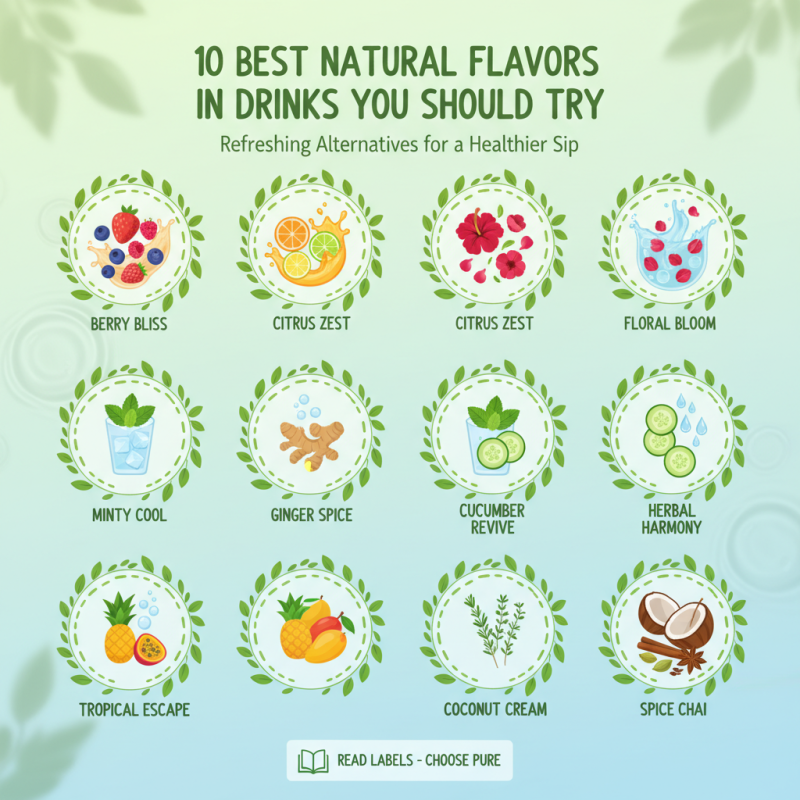
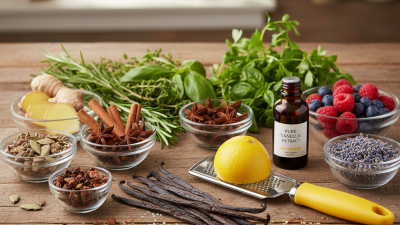
Lemon zest is a classic choice, adding brightness and acidity. It lifts the overall flavor profile.
Lavender provides a unique aroma and a soothing effect. It's subtle yet impactful. For those who love a spicy kick, ginger adds warmth and depth. It pairs well with many drinks, from teas to cocktails.
Berry infusions, such as raspberry or blueberry, deliver sweetness and vibrancy. They can make any beverage feel fresh and summery.
As we explore these natural flavors, it’s essential to consider balance. Not every flavor suits every drink. Experimentation is key. Some combinations may surprise you, while others might fall flat. Reflecting on these experiences enables you to discover your preferences. Flavors can evoke memories and emotions, enhancing your overall enjoyment. The journey of finding the perfect blend is part of the fun. So, don’t be afraid to try something new; it might just take your drink experience to the next level.
Health Benefits of Choosing Natural Flavors in Drinks
Choosing natural flavors in drinks can offer numerous health benefits. Natural flavors are derived from fruits, plants, and herbs. They often contain antioxidants and nutrients that artificial flavors lack. For instance, a refreshing citrus drink can boost
vitamin C intake, supporting your immune system. A hint of mint might aid digestion while adding a refreshing twist.
Switching to natural flavors may also have positive effects on mental well-being. Certain herbal flavors, like chamomile or lavender, can promote relaxation and reduce anxiety. However, some might overlook these benefits when opting for sugary, artificial drinks. The taste might be appealing, but the long-term effects on health could be detrimental.
Integrating natural flavors into your daily routine is wise. You can experiment with homemade beverages by mixing fresh ingredients. Consider using berries, ginger, or even rosemary for a unique twist. This approach not only enhances flavor, but also contributes to a healthier lifestyle. It’s a slow process, but every small change counts.
Regional Variations: Natural Flavors Around the Globe
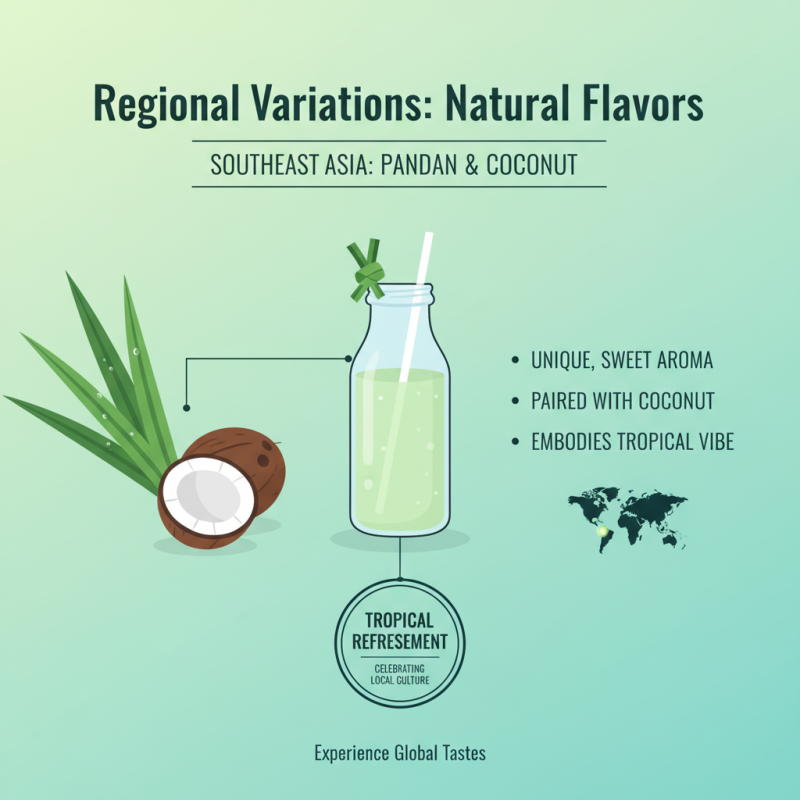
When exploring natural flavors in drinks, regional variations enhance the experience. In Southeast Asia, pandan leaves add a unique, sweet aroma to beverages. This flavor is often paired with coconut, creating a refreshing concoction that embodies the tropical vibe of the region. It’s not just a taste, but a celebration of local culture.
Moving to South America, yerba mate offers a distinctive earthy taste. In countries like Argentina and Brazil, it is enjoyed in social settings. This drink brings people together, sparking conversations over shared experiences and traditions. The bitterness of mate can be an acquired taste, prompting reflection on one’s preferences.
Each region has its signature flavors that tell a story. Some may find the intense spices in Indian chai overwhelming at first. However, this complexity invites drinkers to explore a deeper understanding of spice blends. The journey through natural flavors encourages openness and a willingness to step outside familiar territory.
How to Incorporate Natural Flavors into Your Homemade Drinks
Creating homemade drinks with natural flavors can elevate your beverage game. Start by selecting fresh ingredients, such as herbs, fruits, and spices. These components add depth and complexity to your drinks. For instance, try muddling mint leaves for a refreshing touch in lemonade. Fresh berries can be blended into smoothies for a burst of flavor.
Tips: Don't be afraid to experiment. Combine unexpected flavors like basil with strawberries. The right balance can surprise your taste buds and add a unique twist. Use small amounts of strong flavors at first and adjust gradually.
Another way to incorporate natural flavors is through infusions. Soak fruits or herbs in water, tea, or alcohol for several hours. This method allows the flavors to meld nicely. For a floral note, consider infusing chamomile or lavender. Always test the intensity after a few hours; sometimes, less is more.
Tips: Pay attention to the ingredients you use. Some flavors can overpower others. It’s a learning process to find the right combinations. Keep notes of your successes and failures. This way, you can refine your recipes over time.