China Best Natural Flavors for Beverages Supplier?
Choosing a China-based supplier is not simply a price comparison. It is a quality decision.
For beverage manufacturers, natural flavors for beverages must deliver recognizable taste, stable performance, and dependable documentation. A lemon flavor may smell bright in the sample room, yet fade after pasteurization. A peach profile may taste attractive in water, but become thin in a low-sugar drink. These details expose the difference between a trading company and an experienced flavor manufacturer.
Sensory scientist Charles Spence has said, “We eat with our eyes.” His observation also matters in beverages, where aroma, color, mouthfeel, and packaging shape consumer expectations. A qualified supplier should explain its flavoring sources, recommended dosage, carrier system, allergen status, shelf life, and batch traceability. It should also provide a clear certificate of analysis and practical stability data. Ask for samples in the finished beverage, not only in distilled water. That test is more honest.
China offers broad production capacity, skilled flavorists, and competitive development support. However, location alone proves nothing. Manufacturing experience, laboratory control, export records, and communication quality deserve closer attention. Factory photographs are not enough.
There is room for doubt.
A promising first sample can still fail during storage. A low quotation can hide reformulation costs. Even a reputable supplier may need several trials before matching a target profile. Therefore, this guide examines how to identify reliable natural flavors for beverages suppliers in China. It considers flavor performance, technical evidence, customization ability, food-safety practices, and long-term service. The goal is not to name one universal winner, but to help buyers make a defensible, informed choice.

What Are Natural Flavors for Beverages?
Natural flavors for beverages are flavoring substances obtained from plants, fruits, spices, herbs, or other natural sources. They may appear as extracts, distillates, essential oils, or fermentation-derived compounds. Under the U.S. Code of Federal Regulations, their primary function must be flavoring, not nutrition. This distinction matters when developing tea, juice, sparkling water, or functional drinks.
A practical supplier should explain the source, extraction method, carrier ingredients, and stability data. Citrus oils can brighten a drink, but light and oxygen may dull them quickly. Botanical extracts may create sediment or bitterness. In pilot trials, test the flavor after pasteurization, carbonation, and storage. A fresh sample can mislead. It is not enough.
Market data shows why this category is expanding. Grand View Research estimated the global natural flavors market at about USD 8 billion in 2023, with continued growth expected through 2030. The World Health Organization recommends limiting free sugars to below 10% of daily energy intake, preferably below 5%. This encourages beverage developers to improve aroma and taste without simply adding more sugar. However, “natural” does not guarantee better nutrition. Ingredient transparency, allergen review, batch consistency, and documented regulatory compliance remain essential when selecting a China-based beverage flavor supplier.
Natural Flavors for Beverages: Typical pH by Beverage Category
Natural flavors are flavoring preparations obtained from natural sources such as fruits, herbs, spices, flowers, and other edible materials. Beverage pH is an important formulation factor because it can affect flavor stability, aroma release, and ingredient compatibility.
Values show representative midpoints of commonly reported pH ranges: carbonated soft drinks 2.5–4.0, fruit juices 2.0–4.0, sports drinks 2.4–4.5, ready-to-drink tea 3.0–7.0, and plant-based beverages 6.0–7.5. Actual values vary by recipe and processing method.
Which Natural Beverage Flavors Are Most Commonly Used?
Citrus flavors remain among the most common choices for beverages.
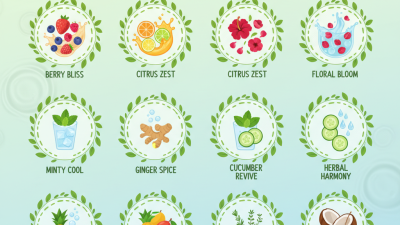
Lemon, lime, orange, and grapefruit create a bright, refreshing profile. They work well in sparkling water, tea, sports drinks, and juice blends. Berry flavors are also widely used. Strawberry, raspberry, blueberry, and blackcurrant add color associations and gentle sweetness without adding sugar.
Tropical flavors bring stronger sensory impact.
Mango, passion fruit, pineapple, and coconut can make a drink feel more indulgent. Apple, pear, peach, and watermelon offer softer everyday profiles. Mint, ginger, vanilla, and botanical notes support tea, functional, and premium beverage concepts. In practical development, flavor performance depends on acidity, heat treatment, packaging, and storage time. A flavor that tastes excellent in a lab sample may change after processing. That is easy to underestimate.
Tips:
Test flavors in the final beverage base. Check aroma after pasteurization. Request allergen, ingredient, and stability documentation from the supplier. Compare samples at several dosage levels, not only the recommended level. Keep sensory records with trained and regular consumers. Natural flavors can vary slightly between batches, so consistency should be verified carefully. My own formulation work suggests that a simpler profile often performs better, although this is not always true. Supplier support, transparent documentation, and repeatable sensory results matter as much as the initial taste.
How to Evaluate a Natural Flavors Supplier in China
Choosing a natural flavors supplier in China requires more than comparing prices or tasting one successful sample. A 2024 analysis by Grand View Research estimated the global natural flavors market at over USD 8 billion, with continued growth expected through 2030. This growth attracts capable manufacturers, but also creates inconsistent quality. Request ingredient origins, extraction methods, carrier details, allergen declarations, and recent certificates of analysis. Ask whether each batch can be traced to its production record.
A reliable supplier should provide practical evidence, not polished promises. Review ISO 22000 or equivalent food-safety systems, laboratory testing procedures, and recall readiness. Check pesticide, heavy-metal, microbiological, and residual-solvent controls where relevant. For beverages, test the flavor in your actual formula. Citrus notes may fade after pasteurization. Botanical notes can become cloudy in acidic drinks. Small details matter. Request samples from different lots, then compare aroma, color, solubility, and stability after storage.
Factory experience also deserves direct verification. A video call is useful, but an independent audit is stronger. Ask about minimum order quantities, lead times, formulation support, and change-control notices. A supplier that cannot explain these points may create delays later. No audit is perfect. I would still question unusually low quotations, even when the sample performs well. Supplier evaluation is partly technical and partly judgment. The best decision combines documented data, repeated trials, and honest communication.
How to Select the Best Supplier for Your Beverage Brand
Selecting a natural flavor supplier for beverages requires more than comparing prices. Start with technical fit. Ask whether the supplier understands your drink’s acidity, sugar level, processing temperature, and storage conditions. A flavor that performs well in water may fade in a carbonated beverage.
Taste comes first. Request small samples.
Evaluate aroma, aftertaste, color, and mouthfeel with a trained tasting panel. Test samples in the actual beverage formula, not only in plain water. Record results at launch, after processing, and during shelf-life checks. This reveals changes that a sales sample may hide.
Reliable suppliers should provide clear specifications, certificates of analysis, allergen information, and batch traceability. Their documentation should match the delivered material. Visit the production site when possible, or arrange a quality audit through an independent specialist. Review sanitation controls, storage practices, complaint procedures, and change-notification policies. A supplier should explain how it manages seasonal raw-material variation.
Experience matters, but confidence must come from evidence. Ask for technical support during pilot production and confirm response times. Some suppliers promise customization but lack practical formulation knowledge. I have learned that polished presentations can mislead. Real performance is quieter.
No checklist is perfect. A useful partnership also depends on communication, realistic lead times, and transparent discussions about limitations. Select the supplier that can support consistent flavor quality from laboratory trials to full-scale production.