How to Choose the Best Natural Flavor Additives for Your Products?
In today's competitive market, selecting the right natural flavor additives can significantly impact your product's success. Consumers are increasingly conscious about what they eat. They seek clean labels and transparent ingredient lists. Natural flavor additives play a crucial role in creating appealing flavors while maintaining product integrity.
However, not all natural flavor additives are created equal. Some may have questionable sourcing or processing methods. It's vital to research and select additives that align with your brand's values. Often, companies overlook the importance of flavor authenticity. They need to avoid additives that could dilute the product’s essence.
Understanding the potential benefits and limitations of these additives can guide your choices. High-quality natural flavor additives can enhance sensory experiences. They can also foster brand loyalty among health-conscious consumers. By prioritizing quality, companies can navigate the complex landscape of flavorings more effectively.
Understanding Natural Flavor Additives and Their Benefits
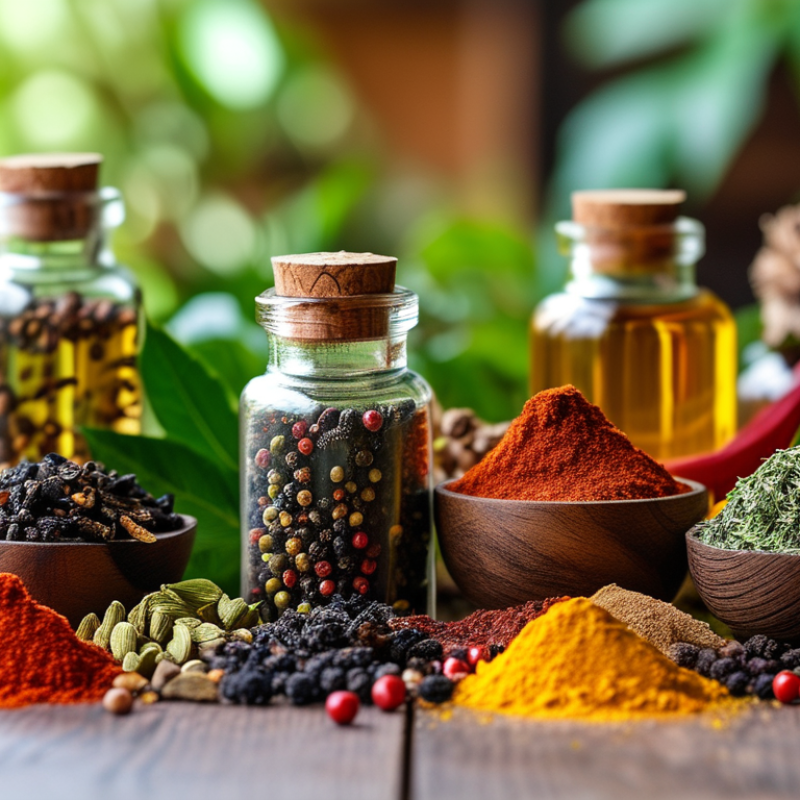
Natural flavor additives are derived from natural sources, offering a wide range of benefits. They enhance the taste and aroma of food products without artificial components. This can lead to improved consumer acceptance. Many consumers prefer products labeled with natural ingredients, as they perceive them to be healthier. Utilizing natural flavors can distinguish your product in a crowded market.
Understanding the source of natural flavor additives is crucial. Some are extracted from fruits, vegetables, and spices, while others may come from herbs or animal sources. It’s important to know these details. Not all natural flavors serve the same purpose. Experimenting with various options can lead to unexpected results. Taste tests and feedback from target consumers can help refine these choices.
While natural flavors have benefits, they can also be challenging. Not all natural extracts may be compatible with product formulations. Additionally, sourcing can impact consistency and availability. Finding reliable suppliers is essential for maintaining quality. Reflecting on these aspects can lead to a better understanding of what works for your product.
How to Choose the Best Natural Flavor Additives for Your Products?
| Flavor Additive |
Source |
Flavor Profile |
Health Benefits |
| Vanilla Extract |
Vanilla Beans |
Sweet, Creamy |
Antioxidant Properties |
| Lemon Zest |
Lemons |
Citrusy, Bright |
Vitamin C Boost |
| Cinnamon Extract |
Cinnamon Bark |
Warm, Spicy |
Anti-inflammatory |
| Ginger Extract |
Ginger Root |
Spicy, Zesty |
Digestive Aid |
| Mint Extract |
Peppermint Leaves |
Cool, Refreshing |
Energy Booster |
Identifying Quality Sources for Natural Flavor Additives
When selecting natural flavor additives, quality is essential. Start by identifying sources with a transparent supply chain. Look for producers who share detailed information on their ingredient sourcing. This transparency reflects their commitment to quality. Certifications can also indicate reliability. However, not all certifications are equal, so it's vital to research their credibility.
Engaging with potential suppliers is important. Ask questions about their extraction methods, sustainability practices, and ingredient origins. High-quality natural flavors often come from specific regions with favorable growing conditions. Understanding these details can help in making informed choices. Some producers may claim to offer "natural" additives, but scrutiny is necessary. Ensure you have access to lab testing results or customer reviews.
It's also important to consider the cost versus value. Premium ingredients can enhance product flavor and appeal. However, balance is key, as not all high-cost items deliver superior taste. Being diligent in your sourcing process ultimately leads to better products. Reflect on your findings, and adjust your criteria as needed.
Evaluating Flavor Profiles for Your Product's Target Market
Evaluating flavor profiles is crucial for reaching your product's target market. Consumers increasingly favor natural ingredients. According to a recent report by Grand View Research, 78% of consumers prefer food products with natural flavors. This trend is evident across various demographics. A comprehensive understanding of your target audience enhances flavor selection.
Distinct flavor profiles attract different consumer groups. Millennials, for instance, gravitate toward exotic flavors such as matcha or hibiscus. In contrast, older generations might prefer familiar tastes like vanilla or cinnamon. Conducting sensory evaluations can help identify which flavors resonate most with your audience. Understanding cultural backgrounds can also influence flavor acceptance, as certain tastes may be more appealing in specific regions.
Tip: Engage potential customers through taste tests. This direct feedback can guide flavor development.
Another key consideration is the balance between taste and health. Consumers seek products with enticing flavors that also align with their wellness goals. Research from Mintel indicates that 60% of consumers read labels for additive information. Prioritizing transparency around your flavor choices can build trust. Consider how your flavor aligns with lifestyle trends, such as plant-based or low-sugar diets.
Tip: Monitor market trends continuously. Keeping an eye on emerging flavors can provide a competitive edge.
Assessing Regulatory Compliance for Flavor Additives
Choosing the right natural flavor additives for your products goes beyond mere taste. Regulatory compliance is a crucial factor. In the US, the FDA may classify certain flavor additives as Generally Recognized As Safe (GRAS). This classification ensures they can be used in food without extensive pre-market approval. However, each country has its own regulations. In the European Union, for instance, flavorings must follow specific directives to ensure safety and quality.
A recent survey by the Flavor and Extract Manufacturers Association (FEMA) indicated that 70% of manufacturers consider regulatory compliance a top priority when sourcing flavor additives. There is a pressing need for transparency about sourcing and production methods. This can impact compliance and consumer trust. Additionally, inconsistent regulations between regions can hinder market access and growth.
Tips: Always check for third-party certifications to ensure compliance. Engage with suppliers who provide documentation on their flavor additives. Missteps can lead to costly recalls or reputational damage. The importance of regional regulations cannot be overstated. Be aware that failing to comply may risk your product's success. Always double-check the latest guidelines to stay within the law. This diligence can protect your brand and ensure safety for consumers.
Conducting Taste Tests and Consumer Feedback Analysis
When developing products, taste testing is crucial. Effective evaluations help refine flavor additives. Incorporate consumer feedback for successful product launches. Research shows that 70% of consumers prefer natural flavors over artificial ones. This trend highlights the importance of natural additives.
Conduct taste tests with diverse groups. This ensures a wide range of preferences are considered. Individuals from different demographics react uniquely to flavors. Utilize their feedback to fine-tune your products. Collecting actionable insights can enhance taste profiles significantly.
Tip: Organize blind taste tests. Remove brand bias to gain honest feedback. Additionally, gather qualitative data through surveys. Ask participants to articulate their preferences. Their comments can uncover nuances that numerical scores may miss. Using both qualitative and quantitative data strengthens the final product. This combination can drive better results in the market.