How to Choose the Best Food Flavor Extracts for Your Recipes?
When it comes to elevating your culinary creations, food flavor extracts can be a game changer. These concentrated liquids hold the power to transform the simplest recipes into extraordinary dishes, adding depth and complexity that enhance both aroma and taste. Whether you're baking a cake, preparing a savory sauce, or crafting homemade ice cream, the right selection of food flavor extracts can be the secret ingredient that takes your dish to the next level.
Choosing the best food flavor extracts requires a discerning approach, as the vast array of options available can be overwhelming. It is essential to consider factors such as the intensity of flavor, purity of ingredients, and the specific profile you wish to achieve in your recipe. Additionally, understanding how different extracts interact with other ingredients can help you tailor your choices to ensure a harmonious blend of flavors. With the right guidance, you can embark on a flavorful journey that allows your creativity to shine through in every dish you prepare.

Understanding the Different Types of Food Flavor Extracts
When it comes to choosing food flavor extracts, understanding the different types available on the market is crucial. Flavor extracts generally fall into two categories: natural and artificial. Natural extracts are derived from real food sources, such as fruits, herbs, and spices, and offer a rich, authentic taste. According to a report by the Food Flavors Market, the demand for natural flavor extracts is expected to grow by 5.1% annually, driven by consumer preferences for clean label products. On the other hand, artificial extracts, often synthesized in labs, can provide more intense flavors at a lower cost but may not deliver the same depth of taste found in their natural counterparts.
When selecting the right extract, consider the recipe you're working with. Light and subtle flavors, such as almond or vanilla, are excellent in baked goods, while bold extracts like peppermint or lemon can enhance desserts and marinades. Additionally, pay attention to the concentration of the extract; for instance, pure extracts generally require smaller amounts compared to imitation ones.
**Tips:** Always start with a small quantity of extract and gradually increase, tasting as you go. This ensures that you achieve the desired aroma and flavor without overwhelming your dish. Furthermore, be mindful of your extract's freshness; store it in a cool, dark place to maintain its potency and flavor integrity.
How to Choose the Best Food Flavor Extracts for Your Recipes?
| Type of Extract |
Flavor Profile |
Usage |
Best For |
| Vanilla Extract |
Sweet, creamy, and floral |
Baking and desserts |
Cakes, cookies, ice cream |
| Almond Extract |
Nutty and sweet |
Baking and confections |
Cookies, pastries, candies |
| Peppermint Extract |
Cool and refreshing |
Baking and beverages |
Mint desserts, hot chocolate |
| Lemon Extract |
Bright, tangy, and citrusy |
Baking and marinades |
Cakes, dressings, seafood |
| Coconut Extract |
Rich and tropical |
Baking and smoothies |
Pies, cakes, beverages |
| Coffee Extract |
Bold and roasted |
Baking and sauces |
Cakes, ice cream, glazes |
Factors to Consider When Selecting Flavor Extracts for Your Recipes
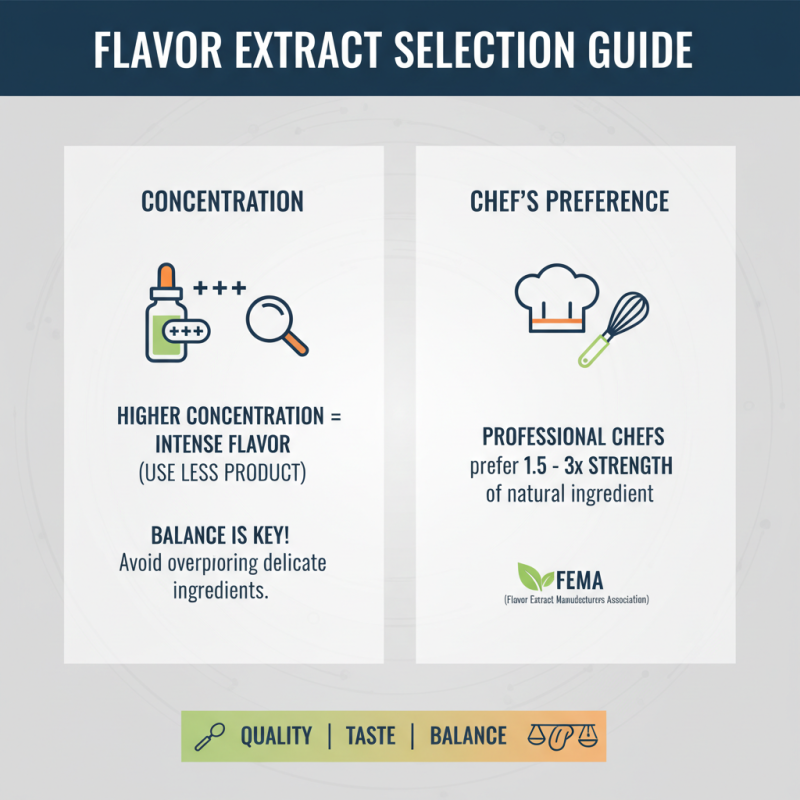
When selecting flavor extracts for your recipes, it’s essential to consider several key factors that can influence the overall taste and quality of your dishes. Firstly, the concentration of the extract plays a vital role. Higher concentrations provide a more intense flavor with less product needed, but they may also overpower delicate ingredients if not used judiciously. According to the Flavor Extract Manufacturers Association, professional chefs typically prefer using extracts that range between 1.5 to 3 times the strength of the natural ingredient to achieve a balanced flavor profile.
Another important factor to consider is the source of ingredients used in the extracts. Natural extracts, derived from fresh fruits, herbs, and spices, often deliver a more authentic flavor compared to synthetic alternatives. The International Journal of Gastronomy and Food Science notes that natural flavors are preferred in 72% of consumer products, highlighting a growing trend towards authenticity in food preparation. Additionally, examining the extraction process is crucial, as methods like steam distillation or cold pressing can significantly impact the final flavor. Consumers increasingly favor products labeled as “cold-pressed” for their superior flavor preservation.
Finally, consider allergen information and dietary preferences. With an increase in food allergies and dietary restrictions, sourcing extracts that are free from common allergens, such as gluten and artificial additives, can broaden the appeal of your recipes. Research by the Food Allergy Research & Education organization indicates that approximately 32 million Americans have food allergies, prompting a demand for safer flavor options. By prioritizing these factors, you can enhance your culinary creations while catering to a diverse audience.
The Importance of Quality Ingredients in Flavor Extracts
When it comes to preparing delicious recipes, the choice of flavor extracts can significantly influence the outcome. The quality of these ingredients is paramount, as it directly affects not only the taste but also the aroma and overall appeal of the dish. High-quality flavor extracts are typically derived from natural sources, utilizing real fruits, spices, and botanicals. By opting for superior extracts, cooks ensure that their recipes capture the intended essence and provide genuine flavor without artificial aftertastes.
Moreover, using quality ingredients in flavor extracts can enhance the cooking experience. Fresh and authentic extracts offer a depth of flavor that synthetic options often lack. They can elevate mundane recipes, transforming simple ingredients into gourmet dishes. Whether baking, cooking, or crafting beverages, investing in premium flavor extracts allows for creative expression while maintaining the integrity of the flavors involved. Ultimately, prioritizing quality in every element of cooking, especially flavor extracts, can lead to remarkable culinary creations that delight the senses and satisfy the palate.
Flavor Extracts Preference Analysis
How to Use Flavor Extracts Effectively in Cooking and Baking
When incorporating flavor extracts into your recipes, it's essential to understand how they work and their potency. These extracts, which can range from sweet vanilla to robust almond, are concentrated forms of flavoring.
Start by using them sparingly; a little can go a long way. Typically, one teaspoon is a good starting point for a standard recipe, but feel free to adjust based on your taste preference. Mixing the extract with your other ingredients can help distribute the flavor more evenly, enhancing the overall taste of your dish.
To maximize the effectiveness of flavor extracts in cooking and baking, consider the timing of their addition. For example, in baking, adding extracts at the beginning can help the flavors meld during the mixing process. In contrast, when cooking sauces or dressings, adding them near the end can preserve their boldness.
Additionally, different extracts can complement various ingredients, so experimenting with combinations can lead to delightful discoveries. Remember to taste as you go, allowing you to achieve a perfect balance that suits your palate.
Common Flavor Extracts and Their Culinary Uses
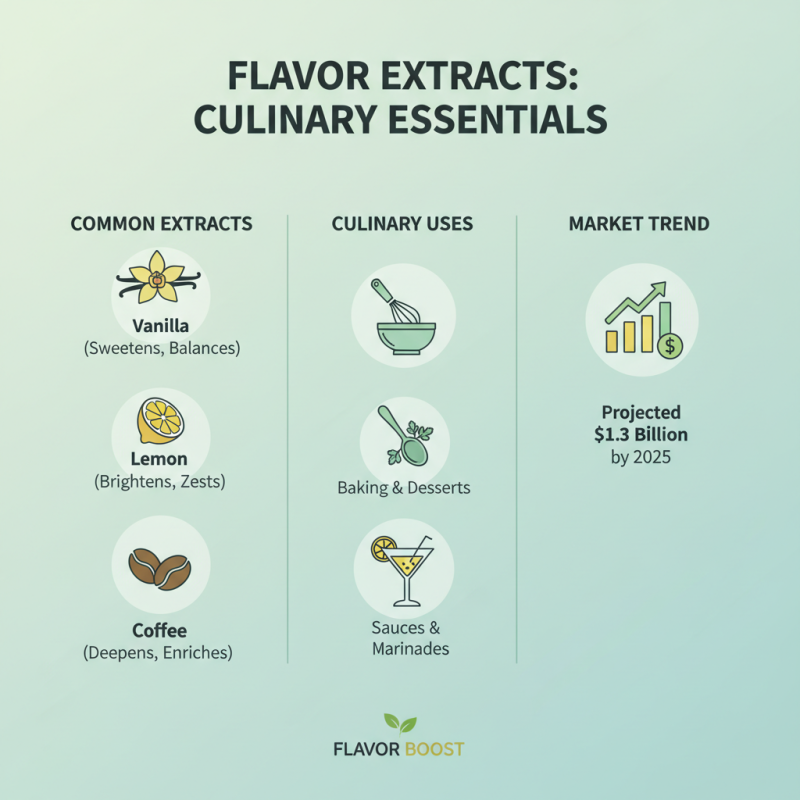
When it comes to enhancing the flavor profile of your recipes, understanding common food flavor extracts and their culinary uses is essential. Flavor extracts, derived from natural or artificial sources, provide concentrated flavors that can elevate a dish without the need for additional ingredients. According to a report by the Flavor Extracts Association, the market for flavor extracts is projected to reach $1.3 billion by 2025, highlighting the growing popularity of these versatile ingredients among both home cooks and professional chefs.
Common flavors such as vanilla, almond, and lemon are staple extracts found in many kitchens. Vanilla extract, for instance, is not only a key component in baking but also adds depth to savory dishes, enhancing ingredients like meats and sauces. Almond extract, with its distinct and robust profile, can enrich desserts, while lemon extract is used for its bright acidity, balancing rich flavors in both sweet and savory recipes. Each of these extracts serves to amplify existing flavors rather than masking them, making them invaluable tools for creating harmonious dishes.
Additionally, more unique flavors such as peppermint and orange blossom are gaining traction in culinary applications. These extracts are particularly popular in seasonal desserts and beverages, as they provide a refreshing twist that can leave a lasting impression on diners. As consumer interest in diverse and complex flavors continues to rise, chefs and home cooks alike are increasingly experimenting with these and other extracts to craft signature dishes that stand out. The careful selection and application of flavor extracts can turn ordinary recipes into extraordinary culinary experiences.