

Loading...

How to Choose the Best Leaf Extraction Equipment in 2026

Choosing the best Leaf Extraction equipment in 2026 starts with the material, not the machine brochure. Leaf species, moisture, particle size, and target compounds can change throughput and extract quality. A bench-top test may reveal more than a polished sales demonstration. Small details matter.

FAO’s 2024 Statistical Yearbook provides a useful agricultural context: plant production varies widely by crop and region. That variability makes a single “best” extractor unlikely. Buyers should compare documented capacity, temperature control, cleaning time, energy use, and repeatability using their own feedstock. Grand View Research’s botanical extracts market reporting also offers market context, but market growth does not prove that any one machine performs well. Ask vendors for test conditions and measured results.

For technical context, Dr. G. K. Jayaprakasha is a researcher in food chemistry and bioactive plant compounds. However, the materials supplied here contain no verifiable quotation from him about Leaf Extraction equipment. Attributing a made-up statement would undermine a reliable guide. A practical rule remains: match the equipment to the leaves, then verify performance with recorded trials. Keep the test notes. Reconsider the choice if results vary across batches.
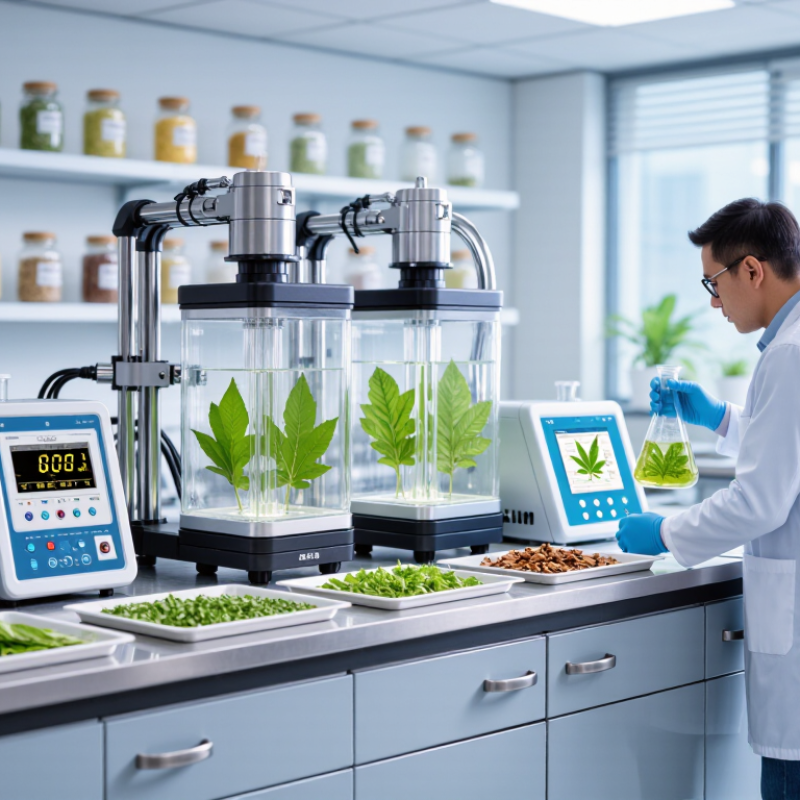
How to Choose the Best Leaf Extraction Equipment in 2026

Understanding Leaf Extraction Methods and Their Intended Uses

Choosing leaf-extraction equipment starts with the intended output, not machine size. Water-based extraction suits soluble compounds for food or botanical preparations, while steam distillation targets volatile aromatic oils. Mechanical pressing works for fresh, juicy leaves, but yields can shift with moisture and harvest age. Small differences matter. For broader compound profiles, controlled water-and-ethanol systems may be appropriate where permitted for the intended product. Match the method to the target compounds, leaf condition, and downstream filtration needs.

Equipment details shape results. A jacketed vessel helps control temperature; a fine screen catches leaf fragments before they clog transfer lines. Ask suppliers for test data using your actual leaf material, not only idealized samples. Grand View Research estimated the global botanical extracts market at about USD 29.4 billion in 2023 and projected 9.2% annual growth through 2030. That market estimate signals varied applications, but it does not prove one extraction method is superior. I still find moisture easy to underestimate. Record it alongside temperature, time, and yield during pilot runs, then compare the resulting extract’s clarity and aroma.

Comparing the Main Types of Leaf Extraction Equipment

Choosing leaf extraction equipment starts with the compound you want to retain. Steam distillation suits aromatic leaves, such as mint or rosemary, because heat carries volatile oils into a condenser. It needs a boiler, sealed vessel, and reliable cooling water. Heat-sensitive components may degrade, though, and bulky leaves can slow the process.

For water-soluble compounds, infusion or percolation systems pass hot or room-temperature water through chopped leaves. Percolators offer more controlled contact; simple tanks are easier to load and clean. Not every leaf. Dense, wet material can clog screens, so check drainage and filtration before choosing a large unit. Small batches help.

Mechanical presses and mills prepare leaves or separate liquid after extraction. They are useful when material needs crushing or dewatering, but pressure alone may not extract the desired compounds. A practical comparison should include batch size, temperature control, contact time, and cleanability. Look closely at joints and filters; sticky residue can hide there. That matters. Operators sometimes focus on rated capacity and overlook how long washing takes between batches. It is an easy mistake. Equipment specifications should also state the intended materials and operating limits, not just motor power.

Evaluating Capacity, Materials, Automation, and Energy Needs

How to Choose the Best Leaf Extraction Equipment in 2026

Capacity should match your actual daily workload, not a peak figure on a sales sheet. Compare rated throughput with the amount of prepared leaf material your team can consistently supply. Check batch size, cycle time, and loading requirements. A machine that runs continuously may still become a bottleneck if cleaning takes hours. Small details matter.

Material choice affects durability, product contact, and maintenance. Ask for documented material specifications, including the grade of stainless steel and the compatibility of seals and hoses with your process. Inspect welds, joints, and hard-to-reach surfaces; residue can collect there. Request cleaning instructions and verify that routine inspection is practical. I would not assume that a polished finish alone guarantees easy sanitation.

Automation can improve repeatability, but it should fit staff skills and production needs. Consider whether controls record key settings and whether operators can spot faults quickly. Energy needs include more than the main motor: pumps, heating, cooling, and compressed air may add to operating costs. Compare energy use per batch where reliable data is available. Leave room for uncertainty; real consumption changes with leaf moisture, batch size, and operating habits. A careful site trial can reveal gaps that a specification sheet misses.

Checking Safety, Maintenance, and Regulatory Requirements

When choosing leaf extraction equipment in 2026, inspect the points where hands, moving parts, heat, and liquids meet. Guards should stay secure during operation, and emergency stops should be easy to reach from normal working positions. Check that cables, seals, and hoses are protected from abrasion and leaks. Small details matter. Ask for clear operating instructions and training materials, not just a capacity figure.

Maintenance affects both safety and consistent output. Look for accessible filters, removable components, and parts that can be inspected without awkward lifting. Ask how often seals, blades, or screens need checking, and whether routine servicing requires special tools. Keep a log of cleaning, repairs, and unusual sounds or temperature changes. It may feel tedious. A missed inspection can be harder to explain later.

Regulatory requirements vary by location, equipment type, and the materials being processed. Confirm applicable workplace safety, electrical, fire, ventilation, and waste-handling rules with qualified local advisers before purchase. Request relevant conformity documents, risk assessments, and maintenance guidance, then compare them with your site’s procedures. A supplier’s paperwork is useful, but it does not replace your own review. I would still leave room for uncertainty: a checklist can miss a site-specific hazard.

Matching Equipment to Your Budget, Workflow, and Production Goals

Choosing leaf extraction equipment starts with the work you need it to do, not its advertised capacity. Estimate daily leaf volume, moisture variation, and the consistency your finished material requires. Measure twice. A unit sized for peak demand may sit idle during slower weeks, while an undersized one can create queues at the loading table.

Match the extraction method to the leaf type and intended output. Then compare practical details: usable batch size, temperature control, cleaning time, and how easily operators can reach filters or screens. Small batches matter. Run a pilot with representative leaves and record processing time, yield, and cleanup effort. A machine that performs well with dry leaves may behave differently with fresh, damp material.

Your budget should include installation, routine maintenance, utilities, and staff training, not just the purchase price. Check whether the equipment fits your room, drainage, ventilation, and applicable safety and quality requirements. Avoid paying for automation your workflow cannot use, but leave room for growth if production is likely to rise. I would still question any estimate based on a single test; leaf batches can vary more than expected.