How to Choose the Best Organic Food Flavoring for Your Recipes
In the world of culinary arts, the quest for the perfect flavor profile often leads chefs and home cooks alike to explore various ingredients that can elevate their dishes. Among these, organic food flavoring has gained immense popularity for its natural essence and health benefits. As consumers become more aware of the importance of choosing sustainable and wholesome ingredients, the role of organic flavorings in enhancing the sensory experience of food cannot be overstated. This article aims to guide you through the selection process, emphasizing the qualities that make organic food flavoring a superior choice for your recipes.
When it comes to choosing the best organic food flavoring, several factors come into play, including the source of the ingredients, the extraction methods used, and the intended culinary application. Understanding these elements not only ensures the authenticity of flavors but also guarantees a commitment to health and environmental responsibility. With the right knowledge at your disposal, you can confidently navigate the diverse landscape of organic flavorings, transforming everyday recipes into exquisite culinary masterpieces while promoting a healthier lifestyle for yourself and your loved ones.

Understanding Organic Food Flavoring: A Comprehensive Guide
Organic food flavoring has gained popularity in recent years as more people become conscious of their dietary choices and the ingredients they incorporate into their meals. Understanding organic food flavoring involves recognizing that these products are derived from natural sources without synthetic additives or artificial preservatives. Many organic flavorings come from fruits, herbs, and spices, providing a rich spectrum of tastes that can enhance dishes while maintaining health and environmental considerations.
When selecting organic food flavorings for your recipes, it’s essential to consider factors such as sourcing, processing methods, and taste profiles. Choose flavorings that are certified organic, ensuring that the ingredients are cultivated without harmful pesticides or chemicals. Additionally, explore various types of flavorings, including extracts, oils, and powders, which can vary in potency and application. Experimenting with different organic flavorings allows you to discover unique combinations that elevate your culinary creations while supporting sustainable agriculture practices. By understanding and selecting organic food flavorings thoughtfully, you can enhance your cooking with wholesome, flavorful ingredients that align with your health goals.
Assessing the Quality and Purity of Organic Flavor Extracts
When it comes to choosing the best organic food flavoring for your recipes, assessing the quality and purity of organic flavor extracts is crucial. Organic flavor extracts can vary significantly in their composition and sourcing practices, impacting not just the taste but also the health benefits associated with these ingredients. According to a report by the Organic Trade Association, the demand for organic products, including flavorings, has been steadily increasing, growing by 12% in recent years. This trend emphasizes the importance of ensuring that consumers are selecting high-quality organic flavorings that are true to their claims.
To evaluate the quality of organic flavor extracts, look for certifications that guarantee compliance with organic agriculture standards. These certifications usually indicate that the flavorings are derived from natural sources, free from synthetic additives and harmful chemicals. Additionally, it’s essential to check for transparency in labeling, which includes information about the extraction methods used, as high-quality extracts are often produced through cold pressing or steam distillation, preserving the integrity and potency of the flavors.
Tips:
- Always verify that the extract is labeled as “100% organic” to ensure maximum purity.
- Choose extracts that provide a complete list of ingredients, avoiding vague terms like “natural flavors.”
- Whenever possible, select local sources for flavorings, as this can enhance the freshness and reduce the environmental impact of transportation.
Key Ingredients to Look for in Organic Flavoring Solutions
When selecting the best organic food flavoring for your culinary creations, it's essential to identify key ingredients that ensure both quality and taste. Reports indicate that the demand for organic food flavoring has surged by over 20% in recent years, as consumers increasingly prioritize natural and health-conscious options. Look for flavoring solutions that feature pure, plant-derived extracts, such as vanilla, citrus oils, or herbal infusions. These ingredients not only elevate the taste but also align with the increasing trend towards sustainability and health awareness among consumers.
Tip: Always opt for flavorings labeled as “certified organic.” These products are less likely to contain synthetic additives and are produced without harmful pesticides. Furthermore, evaluating the sourcing of these flavorings can provide insight into their purity and overall quality. Ingredients that emphasize non-GMO and eco-friendly practices reflect a commitment to better environmental standards.
Another important factor is the absence of artificial flavors and preservatives, which can detract from the organic essence of your dishes. A recent survey noted that 65% of organic consumers are very cautious about the ingredients in their food products, favoring those with transparency in their sourcing and production methods. By prioritizing organic flavorings that maintain these standards, you can create recipes that are not only delicious but also resonate with health-conscious clientele.
Tip: Experiment with different organic flavor combinations to discover unique tastes that can enhance your recipes. Remember, the best flavoring doesn’t just amplify taste; it contributes to the overall dining experience.
How to Choose the Best Organic Food Flavoring for Your Recipes - Key Ingredients to Look for in Organic Flavoring Solutions
| Flavoring Type |
Key Ingredients |
Uses |
Organic Certification |
| Vanilla Extract |
Organic vanilla beans, organic alcohol |
Baking, desserts, beverages |
USDA Organic |
| Almond Extract |
Organic almond oil, organic alcohol |
Baking, ice cream, confectionery |
Non-GMO Project Verified |
| Lemon Zest |
Organic lemons |
Dressings, marinades, desserts |
USDA Organic |
| Mint Extract |
Organic peppermint oil, organic alcohol |
Cocktails, desserts, sauces |
USDA Organic |
| Cinnamon Powder |
Organic cinnamon bark |
Baking, spice mixes, beverages |
USDA Organic |
Comparing Popular Types of Organic Flavorings: A Nutritional Perspective
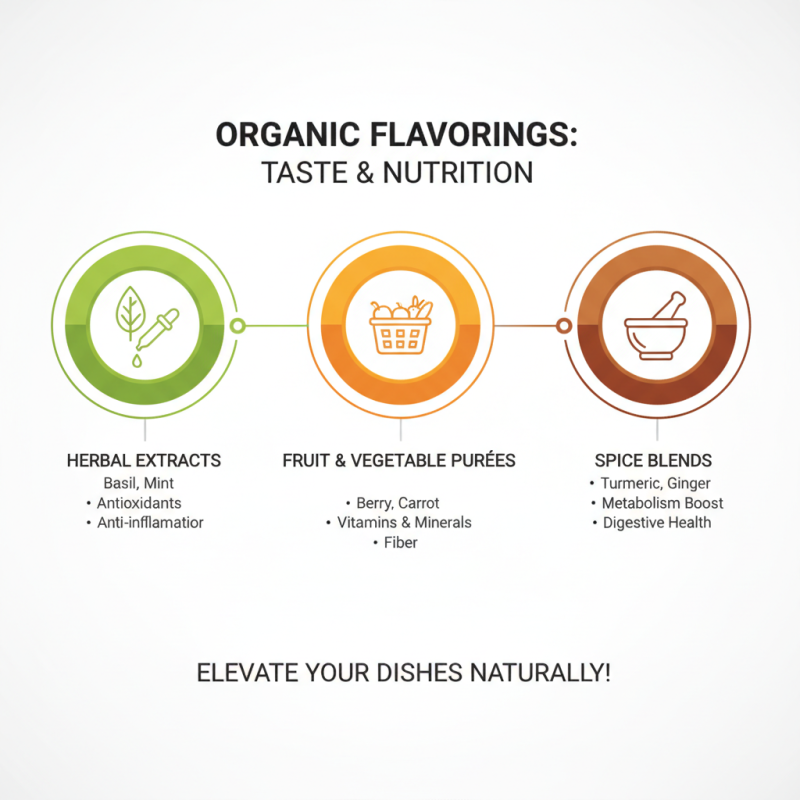
When selecting organic flavorings for recipes, it is essential to understand the different types available and their nutritional benefits. Common options include herbal extracts, fruit and vegetable purées, and spice blends. Herbal extracts, such as basil or mint, not only enhance the taste but also provide antioxidants and anti-inflammatory properties. They can significantly elevate the nutritional profile of dishes while adding freshness and depth.
Fruit and vegetable purées offer another layer of complexity, introducing natural sweetness and color to various recipes. These purées maintain the vitamins and minerals found in their whole counterparts, making them a health-conscious choice for flavor enhancement. Additionally, spice blends, often crafted from dried organic herbs and seasonings, bring unique flavor combinations that can also offer various health benefits, such as improved digestion and metabolism. Choosing the right organic flavoring not only enriches the taste but also supports a healthier lifestyle through the inclusion of nutrient-dense ingredients.
Impact of Organic Flavoring on Health: Benefits and Considerations
When selecting organic food flavorings for your recipes, it's essential to consider their impact on health. Research indicates that organic flavorings often contain fewer harmful additives compared to conventional options. A study published by the Organic Trade Association reveals that organic products can lower exposure to pesticides, which are known to have adverse effects on human health, particularly in children. Furthermore, organic flavorings retain higher levels of antioxidants, which play a crucial role in combatting oxidative stress and inflammation in the body.
Incorporating organic flavorings into your diet can lead to an array of health benefits. According to a report by the Nutritional Journal, organic foods are more likely to have higher omega-3 fatty acids and essential vitamins. Additionally, using organic extracts can contribute to better gastrointestinal health due to their natural composition without industrial preservatives. This creates a favorable environment for gut flora, which is essential for overall health.
Tips: When choosing organic flavorings, prioritize those that are certified organic to ensure quality and purity. Additionally, explore a variety of flavor profiles from herbs, spices, and natural extracts to enhance your dishes while reaping the nutritional benefits. Lastly, always check labels for additional additives or fillers that may detract from the health benefits of organic flavoring.