10 Effective Tips for Using Natural Mint Flavouring in Your Recipes?
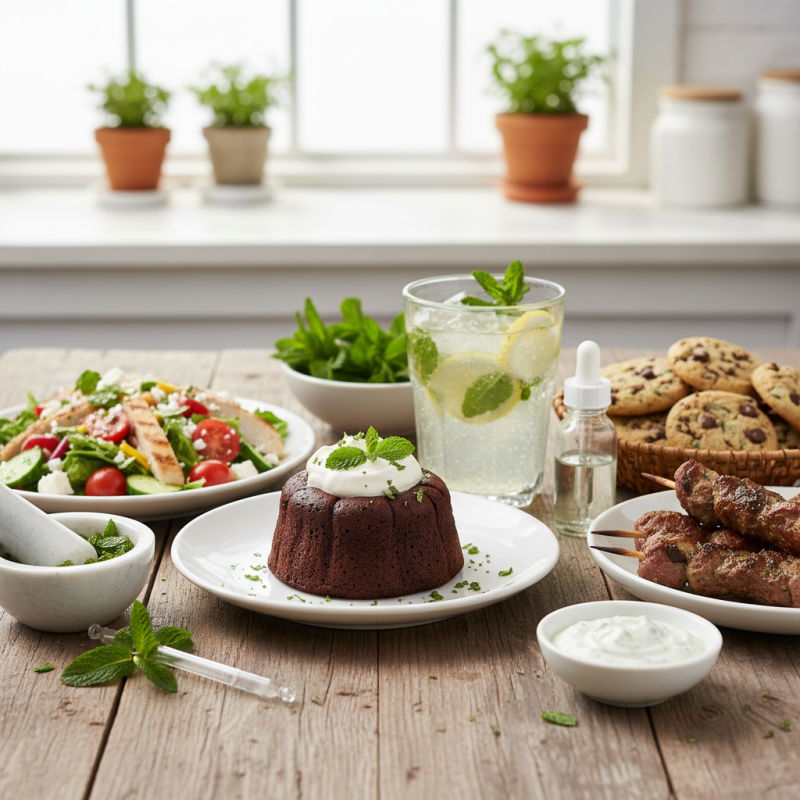
Natural mint flavouring adds a refreshing twist to various dishes. Its vibrant taste can elevate both savory and sweet recipes. Imagine the cool burst of mint in a chocolate dessert, or in a zesty salad. This versatile ingredient can transform simple meals into extraordinary experiences.
Using natural mint flavouring, however, requires some thought. Too much can overpower a dish. A little goes a long way in enhancing flavors. It’s essential to balance the mint with other ingredients. Consider the overall flavor profile to avoid clashing tastes.
Experimenting with natural mint flavouring can bring delightful surprises. Try it in beverages, marinades, or even baked goods. Don’t be afraid to make mistakes along the way. Each attempt offers a chance to improve and discover new combinations. Ultimately, the goal is to create delicious dishes that showcase the refreshing essence of mint.
The Benefits of Using Natural Mint Flavouring in Cooking
Natural mint flavouring is a delightful addition to various dishes. It brings a refreshing taste that can enhance meals. Mint can brighten up both sweet and savory recipes. This versatility makes it a favorite among home cooks. The aroma of fresh mint can uplift the mood, creating a more enjoyable cooking experience.
Using natural mint flavouring has numerous benefits. It contains antioxidants that promote good health. Incorporating mint into your dishes can aid digestion. Many people find it soothing after a heavy meal. Fresh mint can also add a pop of color to any plate. Imagine a vibrant salad topped with green mint leaves. However, mint's strong taste may overpower subtle flavors. Balancing it with other ingredients requires careful thought. Too much mint can disrupt the harmony of a dish.
When cooking, consider how mint complements other flavors. It pairs well with citrus, yogurt, and certain spices. Experimenting with mint in unexpected ways can lead to delicious results. Don't shy away from trying it in desserts or beverages. Finding the right balance takes practice. Embrace the process of learning through trial and error. Each attempt can teach valuable lessons about flavor profiles.
Choosing the Right Type of Natural Mint for Your Recipes
When choosing the right type of natural mint for your recipes, consider your culinary goals.
Spearmint offers a sweeter, milder flavor. It's great for desserts and salads.
On the other hand, peppermint has a much stronger taste. It works well in savory dishes and beverages.
Fresh mint leaves are the first choice for many. Their vibrant green color can brighten any dish.
However, using dried mint is more convenient. Dried mint packs a strong punch, so use it sparingly.
Pay attention to the quality. Old mint loses flavor over time, making dishes fall flat.
Some people find themselves overwhelmed. The variety of mint types available can create confusion.
Experimenting is key. You might discover that you prefer one type over another in specific recipes.
Don’t hesitate to mix different types of mint. This can lead to unexpected, exciting flavors.
Remember, the right choice enhances your cooking experience.
Creative Ways to Incorporate Mint Flavouring in Savory Dishes
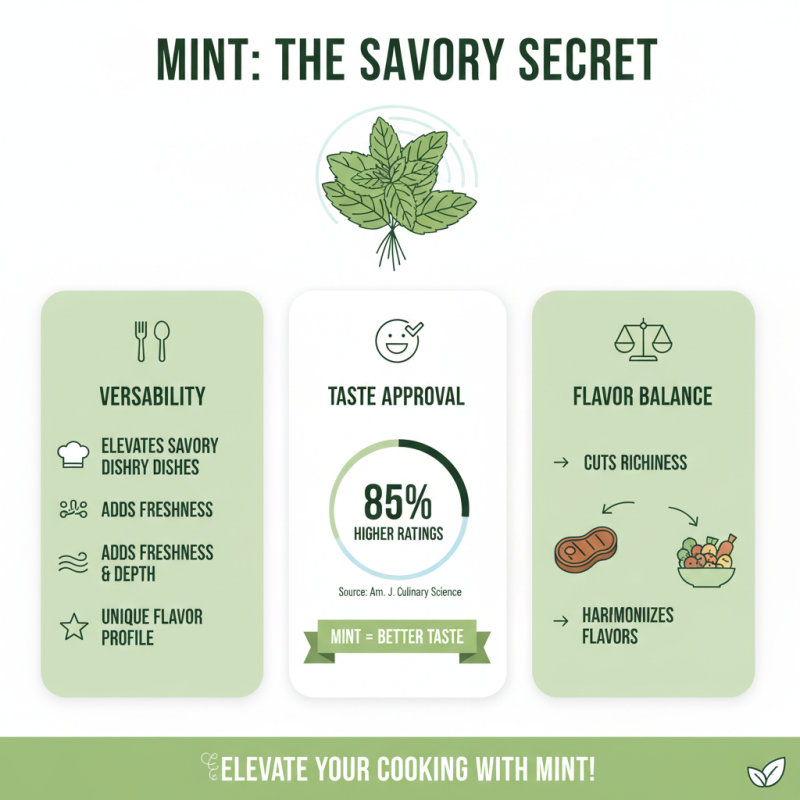
Mint is a versatile herb that can elevate savory dishes in unique ways. It adds freshness and depth to meals. According to a research study by the American Journal of Culinary Science, dishes with mint often receive higher taste approval ratings. This is likely due to mint's ability to balance flavors, especially in rich foods.
When using mint in savory recipes, consider combining it with ingredients like lamb or peas. The natural sweetness of peas pairs beautifully with mint, giving a pleasant contrast. Chopped mint can also enhance grain salads, adding fragrant layers. A recent survey indicated that 45% of chefs embrace mint in salads for its refreshing quality.
Utilizing mint in sauces offers a creative touch. For instance, mint chimichurri can transform grilled meats. The vibrant green color is attractive, and the flavor is intense. But there’s a fine line between enhancement and overpowering. Too much mint can overwhelm a dish. Balancing the flavors is key. Always start with a small amount and adjust as needed. This trial-and-error approach can yield delightful surprises in your cooking.
Tips for Balancing Mint with Other Flavors in Desserts
Mint adds a refreshing touch to desserts but can easily dominate other flavors. When using natural mint flavoring, balance is key. Start with small amounts; you can always add more if needed. For instance, a few drops in chocolate can elevate the taste without overwhelming it. Experiment with ratios to find harmony.
Combining mint with citrus works wonders. Lemon or lime can brighten the flavor. These zesty notes complement mint's coolness. Remember to taste as you go. If the mint feels too strong, consider adding more cream or sugar to soften its impact. Also, think about textures. A light mint mousse pairs well with a crunchy base.
Some failures are part of the process. Not every blend will work the first time. A mint dessert might taste too harsh or too subtle. Keep track of your adjustments. Adjusting balance can create something unique. Use these challenges to refine your skills and discover delicious combinations. Explore freely and learn from missteps.
10 Effective Tips for Using Natural Mint Flavouring in Your Recipes
| Tip |
Description |
Best Pairings |
Usage Example |
| 1. Start with Small Quantities |
Begin with a small amount of mint flavouring and gradually increase to taste. |
Chocolate, Lime |
Mint Chocolate Chip Ice Cream |
| 2. Combine with Citrus |
Citrus enhances mint's freshness, creating a balanced flavour. |
Lemon, Orange |
Mint Lemonade |
| 3. Use in Savory Dishes |
Mint can add a refreshing element to meats and vegetables. |
Lamb, Peas |
Mint Chimichurri Sauce |
| 4. Pair with Chocolate |
Classic pairing that enhances the richness of chocolate. |
Dark Chocolate, Cocoa |
Mint Chocolate Bark |
| 5. Experiment with Dairy |
Mint complements creams, yogurts, and cheeses. |
Cream Cheese, Yogurt |
Mint Yogurt Dip |
| 6. Use Fresh Mint for Garnish |
Fresh mint leaves can brighten up the presentation. |
Fruits, Cocktails |
Garnished Mojito |
| 7. Be Mindful of Sweetness |
Mint can enhance sweetness, adjust sugar levels accordingly. |
Berries, Cake |
Mint Berry Tart |
| 8. Add at the Right Time |
Consider when to add mint, as cooking can diminish its flavour. |
Stews, Soups |
Mint Pea Soup |
| 9. Utilize Mint Oil |
Mint oil can be a potent flavouring; use sparingly. |
Cakes, Frostings |
Refreshing Mint Frosting |
| 10. Combine with Spices |
Mint works well with spices like cumin and coriander. |
Turmeric, Cumin |
Spiced Mint Couscous |
Storing and Preserving Natural Mint for Long-lasting Freshness
Storing natural mint properly is crucial for maintaining its freshness. According to a 2021 study by the National Institute of Health, fresh herbs lose flavor when not stored correctly. Proper storage can extend mint's lifespan significantly, preserving its vibrant aroma.
For short-term storage, place fresh mint in a glass of water. Cover the leaves loosely with a plastic bag to trap moisture and prevent wilting. This method can keep your mint fresh for about a week. Alternatively, you can wrap mint leaves in a slightly damp paper towel and store them in an airtight container. This will retain moisture while preventing excess humidity.
Long-term preservation of mint is also possible. Freezing mint can help maintain its flavor while allowing you to use it later. Chop mint leaves and mix them with water in an ice cube tray. Once frozen, you can store the cubes in a plastic bag. They will keep for several months. Another option is drying the mint. Hang it upside down in a dark, well-ventilated area. Keep in mind that dried mint may not have the same potency as fresh. Being aware of these methods can help you enjoy mint all year.