Top Tips for Enhancing Natural Taste in Your Cooking and Recipes
In the ever-evolving culinary landscape, there has been a notable resurgence in the appreciation for "natural taste" among both chefs and home cooks alike. According to a recent report by the Culinary Institute of America, over 70% of culinary professionals believe that highlighting natural flavors is essential for creating impactful dishes. This shift towards raw and unrefined ingredients reflects a growing consumer demand for transparency and authenticity in food. As a result, many are exploring new techniques and methods to enhance the inherent flavors of their ingredients rather than masking them with excessive seasoning.
Moreover, research conducted by Technomic indicates that nearly 60% of diners now prioritize meals that showcase fresh and natural ingredients, connecting their dining experiences with health and sustainability. As a result, developing recipes that enhance natural taste not only caters to this burgeoning consumer preference but also promotes a deeper connection with the food itself. By focusing on the essence of what is being cooked, chefs can create memorable experiences that resonate with the tastes and values of today’s more discerning palates. In this guide, we will explore top tips for enhancing natural taste, allowing you to transform your culinary practices while remaining rooted in the authenticity of your ingredients.
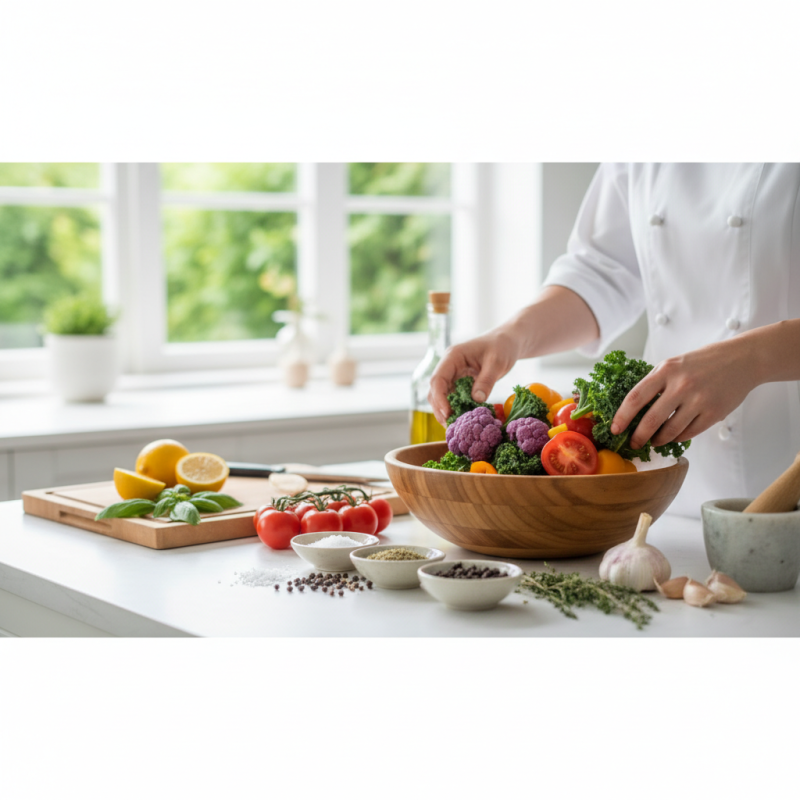
Understanding the Importance of Natural Flavors in Cooking
Natural flavors play a crucial role in cooking, elevating dishes from mere sustenance to delightful culinary experiences. When we focus on the intrinsic taste of ingredients, we allow the true essence of our food to shine through. This means respecting the natural profiles of fruits, vegetables, herbs, and spices, enhancing them rather than masking them with overpowering seasonings or artificial additives. By doing so, we embrace the concept of seasonal and local cooking, which celebrates the ingredients at their peak, ensuring they contribute their best flavor and nutrients to the meal.
Understanding the importance of natural flavors can also lead to healthier cooking. By relying on the genuine tastes of fresh ingredients, we can significantly reduce the need for excess salt, sugar, or fats that often accompany processed foods. Moreover, enhancing natural flavors through simple techniques—such as roasting, grilling, or using acid—can amplify the taste without compromising health. For instance, a squeeze of lemon can brighten a dish, while roasting root vegetables caramelizes their sugars, bringing forth a depth of flavor that is both satisfying and nutritious. In this way, appreciating and enhancing natural flavors not only enriches our cooking but also fosters a more wholesome approach to our meals.
Choosing Fresh and Quality Ingredients for Enhanced Taste
When it comes to cooking, the foundation of enhancing natural taste starts with choosing fresh and quality ingredients. Fresh produce not only retains vital nutrients but also bursts with flavor that can elevate any dish. When selecting fruits and vegetables, look for vibrant colors, firm textures, and seasonal varieties, as these are more likely to deliver robust tastes.
Locally sourced ingredients, often available at farmers' markets, are usually harvested at their peak and can significantly enhance your culinary experience.
In addition to fruits and vegetables, the quality of proteins, grains, and herbs also plays a crucial role in flavor development. Opt for meats and seafood that are sustainably sourced, ensuring they are fresh and free from preservatives. Whole grains, when unprocessed, provide depth and richness to your meals. Furthermore, using fresh herbs rather than dried can invigorate your recipes with bright, aromatic notes.
By prioritizing quality ingredients and practicing mindful selection, you can create dishes that not only satisfy the palate but also celebrate the natural flavors of each component.
Techniques for Extracting and Enhancing Natural Flavors
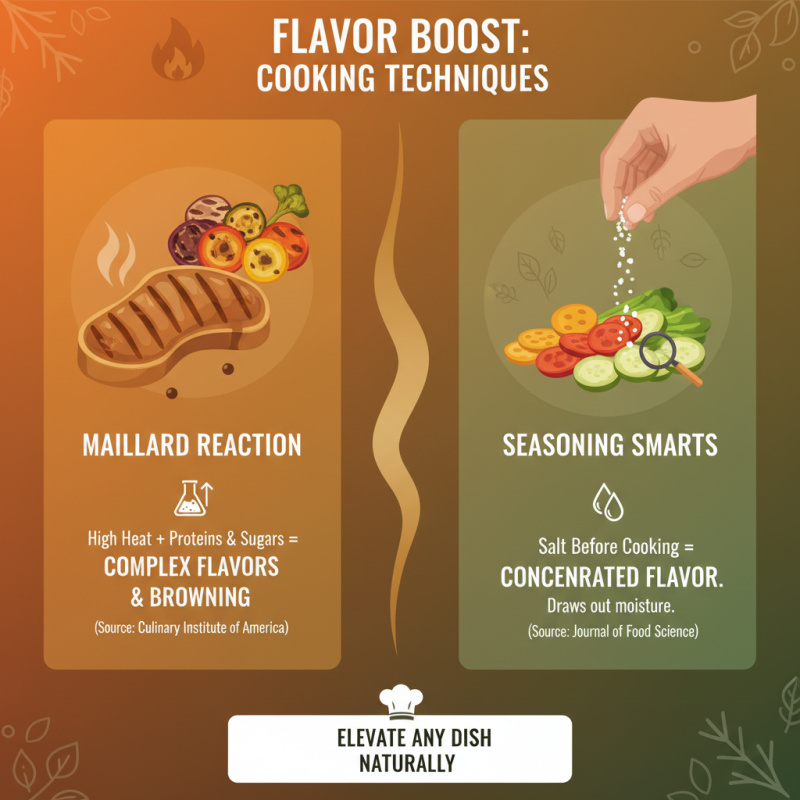
Enhancing natural flavors in cooking is an art that can elevate any dish, making it more appetizing and enjoyable. One effective technique is to focus on the Maillard reaction, which occurs when proteins and sugars are exposed to high heat, resulting in complex flavor compounds. According to the Culinary Institute of America, this reaction not only enhances browning but also intensifies flavors, making roasted or seared items particularly appealing. Implementing proper seasoning at various stages of cooking can also amplify these natural flavors; research from the Journal of Food Science suggests that salting vegetables before cooking draws out moisture, concentrating flavor and creating a more vibrant dish.
Another strategy is to utilize complementary flavors through pairing. The concept of flavor pairing suggests that ingredients with shared aromatic compounds tend to enhance each other's tastes. For instance, a study published in the Journal of Sensory Studies found that certain combinations, like tomatoes and basil, create a more harmonious flavor profile, enriching overall taste. Additionally, using methods such as slow cooking can deepen flavors, as prolonged heat breaks down cell walls in vegetables and meats, releasing their natural juices and essences. The emergence of techniques like sous-vide, where food is vacuum sealed and cooked at precise temperatures, can maximize flavor retention and ensure a more consistent taste. These approaches integrate science and art, providing invaluable insights for chefs aiming to maximize the natural taste in their culinary creations.
Utilizing Herbs and Spices to Elevate Dishes Naturally
Herbs and spices are essential tools in the culinary world, not only for adding flavor but also for enhancing the natural taste of dishes. According to a report by the American Herb Products Association, sales of herbs and spices reached over $1.5 billion in the U.S. as of recent years, reflecting a growing trend among home cooks and chefs alike to incorporate them into their recipes. Utilizing a variety of these seasonings can transform a simple meal into a gourmet experience by elevating its authenticity and depth.
Fresh herbs like basil, cilantro, and mint can add vibrant flavors that complement the main ingredients. For instance, a study published in the International Journal of Gastronomy and Food Science revealed that incorporating herbs enhances not only taste but also the nutritional profile of dishes. Spices such as turmeric, cumin, and paprika not only bring warmth and complexity but also possess numerous health benefits, including anti-inflammatory properties. This is an essential aspect as consumers increasingly seek meals that contribute positively to overall well-being, with market research indicating a 20% rise in interest for functional ingredients in culinary choices.
Integrating herbs and spices not only elevates flavors but also encourages creativity in the kitchen. By experimenting with various combinations, cooks can discover new pairings that enhance the natural taste of ingredients. The key lies in understanding the unique profiles of different seasonings; for example, pairing peppery arugula with lemon zest and olive oil can create a refreshing salad that highlights the freshness of each component. Embracing these natural enhancers allows for a more satisfying and health-conscious dining experience, meeting the demands of an increasingly discerning audience.
Top Tips for Enhancing Natural Taste in Your Cooking and Recipes
Balancing Acidity and Sweetness for Flavor Depth
Balancing acidity and sweetness in your cooking is crucial for achieving a rich, complex flavor profile. When these two elements are in harmony, they can elevate a dish, making it not just more palatable but also more memorable. One effective method for creating this balance is to incorporate acidic ingredients, such as vinegar or citrus juice, with naturally sweet components like fruits or honey. For instance, a splash of balsamic vinegar can enhance the sweetness of roasted vegetables, providing a delicious contrast that excites the palate.
To master this balancing act, consider starting with a base of sweetness, then gradually introducing acidity until you notice the flavors coming to life. Taste frequently and adjust accordingly. A simple tip: if you find a dish too sweet, add a squeeze of lemon or a dash of vinegar to cut through the sweetness. Conversely, if a sauce feels too acidic, incorporate a hint of brown sugar or maple syrup. This back-and-forth adjustment can transform your cooking, creating layers of flavor that will capture your guests’ attention.
Another helpful tip is to incorporate fresh herbs and spices that complement both the sweet and acidic elements of your dish. Ingredients like basil or mint can provide additional freshness while amplifying the overall complexity. Experimenting with different combinations can reveal new taste sensations, making each meal an exciting journey into flavor enhancement.