10 Essential Tips for Using Food Flavor Extracts in Your Cooking
Food flavor extracts can transform your dishes. They bring vibrant and concentrated flavors to both sweet and savory recipes. These extracts are versatile, making them a favorite among home cooks and professional chefs alike.
Using food flavor extracts, however, comes with challenges. It is easy to overdo it. A few drops might suffice, while too much can overwhelm a dish. Experimenting is key, but precision often matters more than intuition. Quality also varies among brands. Finding the right extract for your needs can require some research.
Consider how extracts can enhance your favorite recipes. Vanilla extract can elevate pastries, while mint can brighten a salad. Learning how to use food flavor extracts wisely can be a journey. Embrace the process and allow for some mistakes along the way. This exploration can lead to delightful discoveries in your cooking.
Choosing the Right Flavor Extract for Your Recipe
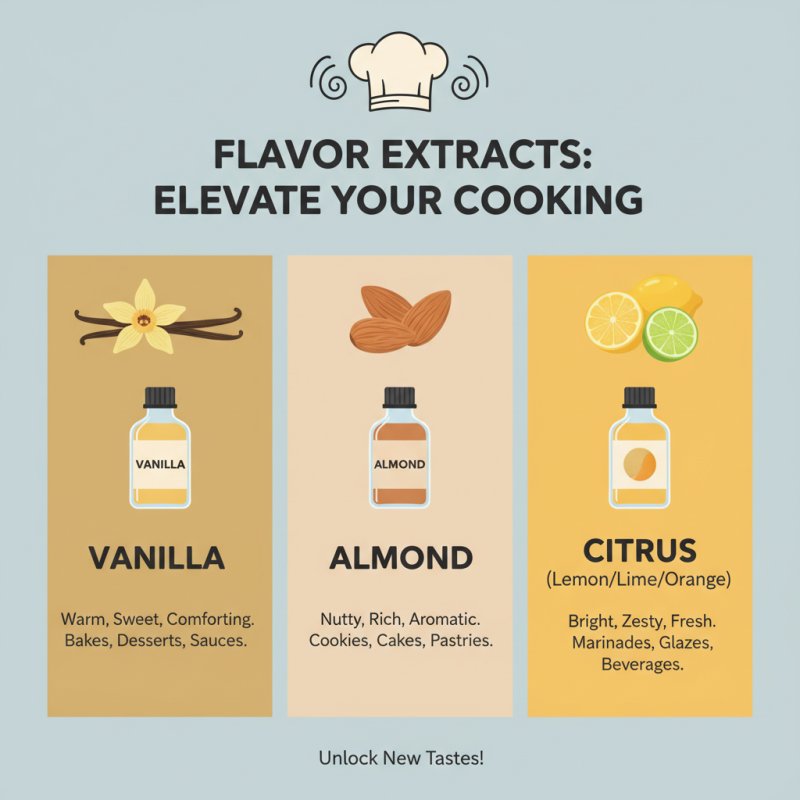
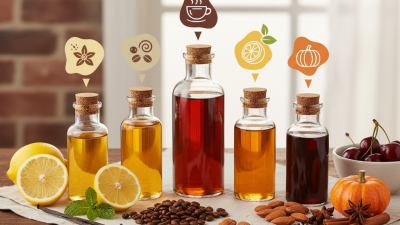
Choosing the right flavor extract can elevate your cooking. Each extract has its unique profile. Vanilla, for example, adds warmth. Almond extract offers a nutty twist. Citrus extracts brighten dishes with their zesty notes.
When selecting an extract, think about your dish. For baking, vanilla or almond works well in cakes and cookies. For savory dishes, consider herbs or citrus extracts. They can enhance sauces or marinades. Be cautious with the quantity. A few drops can transform a dish, but too much can overwhelm.
Experimenting with flavor extracts is rewarding but requires care. Sometimes, the outcomes may not align with your expectations. Don't hesitate to adjust. Tasting along the way can save a dish. Keep a journal of your experiments. Note what works and what doesn’t. This mindful approach can lead to remarkable discoveries in your culinary journey.
Understanding Flavor Profiles and Their Culinary Uses
Understanding flavor profiles is crucial for successful cooking. Each extract, whether vanilla or almond, brings a unique essence to dishes. According to a report by the Culinary Institute, over 70% of chefs believe that using extract enhances the overall flavor experience. However, getting it right can be tricky.
Blending extracts requires an understanding of their intensity. For example, peppermint extract can easily overpower a dish, while lemon extract adds subtle brightness. A study from Flavor Journal indicated that poorly balanced flavors can lead to a less enjoyable dining experience. Yet, many home cooks still struggle with these nuances. Improper use often leads to unbalanced flavors that leave dishes tasting flat or overly sweet.
Experimenting with combinations can be enlightening. Consider the contrast of fruity and herbal extracts, like pairing orange with thyme. A survey by Taste Magazine found that 65% of cooks underexplore these combinations. Embracing imperfect experiments can lead to unexpected, delightful results. The key is to trust your palate and adjust as you go.
Proper Measuring Techniques for Flavor Extracts
Measuring flavor extracts accurately is crucial for successful cooking. Too much can overpower a dish. Too little may leave it flat. Start with a clean measuring spoon or dropper. This ensures you get the exact amount your recipe calls for. Remember, one drop can make a difference. For more precision, use a scale for larger batches.
When using different extracts, be mindful of their strength. Vanilla extract may need more than almond extract to achieve a balanced flavor. It’s easy to go overboard. Test your dish as you cook. If something tastes off, consider adjusting the extract gradually. Sometimes, it helps to let the dish sit for a moment. Flavors develop over time, and this can change your initial perception.
Don’t hesitate to experiment, but keep notes. Jot down what you tried and how it turned out. This will help you replicate success. Balancing flavors might take some practice. You may find some combinations surprise you, while others miss the mark. It's all part of the learning process.
10 Essential Tips for Using Food Flavor Extracts in Your Cooking
Incorporating Extracts Into Sweet and Savory Dishes
Flavor extracts can transform your cooking, adding depth and complexity. In sweet dishes, vanilla and almond extracts are staples. They enhance baked goods, giving them a rich aroma. According to the Flavor and Fragrance Industry Reports, vanilla extracts comprise a significant segment, valued at over $800 million in the global market. This highlights their importance in kitchens around the world, where they elevate everything from cakes to ice creams.
Savory dishes benefit from extracts, too. For instance, garlic or onion extracts can intensify flavors without adding bulk. Studies show that many cooks overlook these options, relying instead on whole ingredients. This is a missed opportunity. Extracts provide flavor in portions that fit perfectly into recipes. A few drops can make a meal memorable. Consider adding lemon or lime extracts to sauces for a zing.
Experimentation is key; not every combination will work. It's a journey of refining flavors and discovering what delights your palate. A balance is essential—too much can overpower. Always reflect on your choices. Cooking is an art that evolves with practice and exploration.
Storage Tips to Maintain Extract Quality and Freshness
Storing food flavor extracts properly is vital for maintaining their quality and freshness. Keep them in a cool, dark place. Exposure to light and heat can alter their flavor profile. A kitchen cabinet away from the stove works well for most extracts. Sometimes, people forget that even the smallest temperature change can impact the flavor.
Another key point is to use airtight containers. Glass bottles or tightly sealed plastic containers are best. If the extract is stored loosely, air can compromise its taste over time. You might notice flavor fading sooner than expected. Make sure to check the expiry date. If an extract smells off, it is better to discard it.
Regularly organize your extracts. This habit not only helps maintain freshness but also makes it easier to find what you need when cooking. Keep a list of extracts and their expiration dates. It can be frustrating when you want to use a flavor, but it's past its prime. Remember, a little care in storage can significantly enhance your culinary experience.