How to Identify Natural Flavors in Drinks Effectively?
Identifying natural flavors in drinks can be a fun yet challenging task. Many beverages claim to use these flavors, but what does that really mean? Natural flavors in drinks can come from various sources. They might be derived from fruits, herbs, or spices. Each drink offers a unique tasting adventure.
Understanding natural flavors requires keen observation and tasting skills. Take a sip and allow the flavors to unfold. Notice the subtle hints that define the drink. Is it citrusy or floral? Sometimes, these flavors can be hard to pinpoint. Your palate might not catch everything. Don’t be discouraged; it takes practice. Over time, you will learn to identify and appreciate these flavors.
It's essential to consider the context of each drink. Labels may not always tell the whole story. Taste preferences vary among individuals, leading to different interpretations of natural flavors in drinks. Ultimately, exploring these flavors is a personal journey. Embrace the imperfections and learn along the way.
Understanding the Definition of Natural Flavors in Beverages
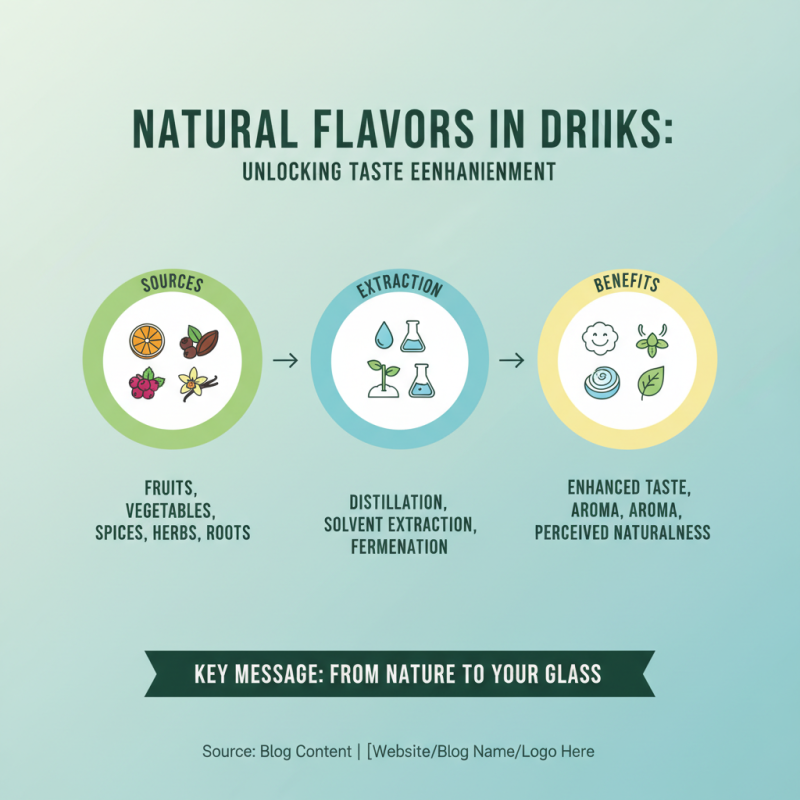
Natural flavors in beverages refer to compounds derived from natural sources. These can include fruits, spices, and even herbs. The U.S. Food and Drug Administration (FDA) defines natural flavors as substances extracted from plant or animal sources through physical processes. This definition emphasizes that natural flavors should not be synthetically produced. However, this can often lead to confusion for consumers trying to discern what they are actually consuming.
Experts from the Flavor and Extract Manufacturers Association (FEMA) estimate that over 1,500 natural flavor compounds are used in food and beverages. These compounds can vary widely in their source and extraction methods. For example, flavors extracted from citrus peels differ in profile from those derived from ginger roots. Understanding the range of these flavors is essential for both manufacturers and consumers. Labels may list “natural flavor” without specificity, leaving people unaware of the actual ingredients involved.
Tips: When shopping for beverages, take a close look at ingredient lists. If "natural flavors" appears, it can be helpful to research which specific flavors are permitted under this classification. Not all natural flavors are created equally. Engaging with local producers can lead to a greater appreciation of the unique flavors certain regions offer. Remember, transparency is key in the beverage market. Always question vague terms and seek out products with clear labeling.
Common Sources of Natural Flavors Found in Drinks
Natural flavors in drinks can enhance their taste. These flavors often come from various natural sources. It’s important to understand where these flavors originate.
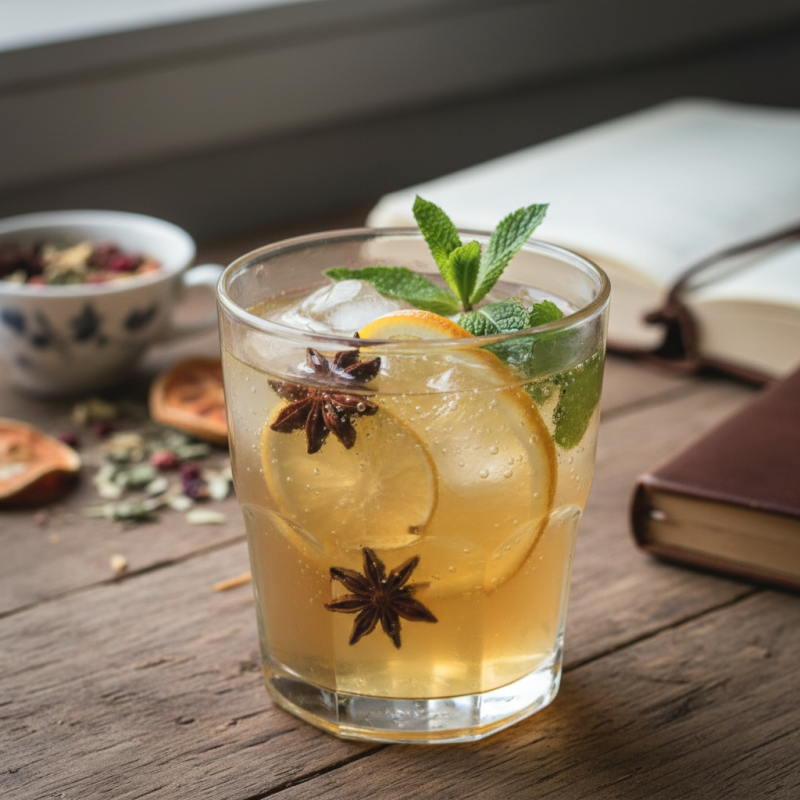
Citrus fruits are a common source of natural flavors. Lemon, lime, and orange provide a refreshing zest. Spices like cinnamon or ginger can add warmth and depth. Herbal notes from mint or basil also contribute delightful layers. However, it's difficult to pinpoint the exact source of flavor in many drinks. This can lead to misunderstandings about what you are consuming.
Fruits like berries or stone fruits are frequently used in beverages. They bring vibrant notes and colors. Some drinks may even derive flavor from natural extracts, like vanilla or almond. Yet, the label "natural flavor" can be vague. It’s often unclear how these flavors are combined in the final product. This ambiguity can be frustrating but invites curiosity to explore the drink further. Understanding these sources can enhance your appreciation of each sip.
Techniques for Identifying Natural Flavors Through Ingredients
Identifying natural flavors in drinks is an intricate process. It involves understanding the ingredients used. A report from the Flavor and Extract Manufacturers Association (FEMA) indicates that over 1,000 natural flavor compounds exist. This variety presents a challenge for consumers and manufacturers alike.
One effective technique is to carefully read ingredient labels. Natural flavors can be listed under vague terms. These may include “essences” or “extracts.” Often, it's hard to pinpoint the exact sources. Another approach is to engage with tasting notes. These notes can offer insights into specific flavor profiles. A study from the Institute of Food Technologists suggests that trained sensory panels can discern subtle differences in flavor. Their findings highlight the importance of expertise in this field.
Some challenges arise during identification. Flavor perception varies widely among individuals. These differences can lead to confusion. Additionally, the extraction process can alter flavor characteristics. This may make it difficult to match flavors accurately. Consumers often face frustration in discerning what is truly natural. A clearer framework for understanding ingredients is necessary. Further research could improve transparency in labeling practices.
Sensory Analysis: Tasting and Evaluating Natural Flavors
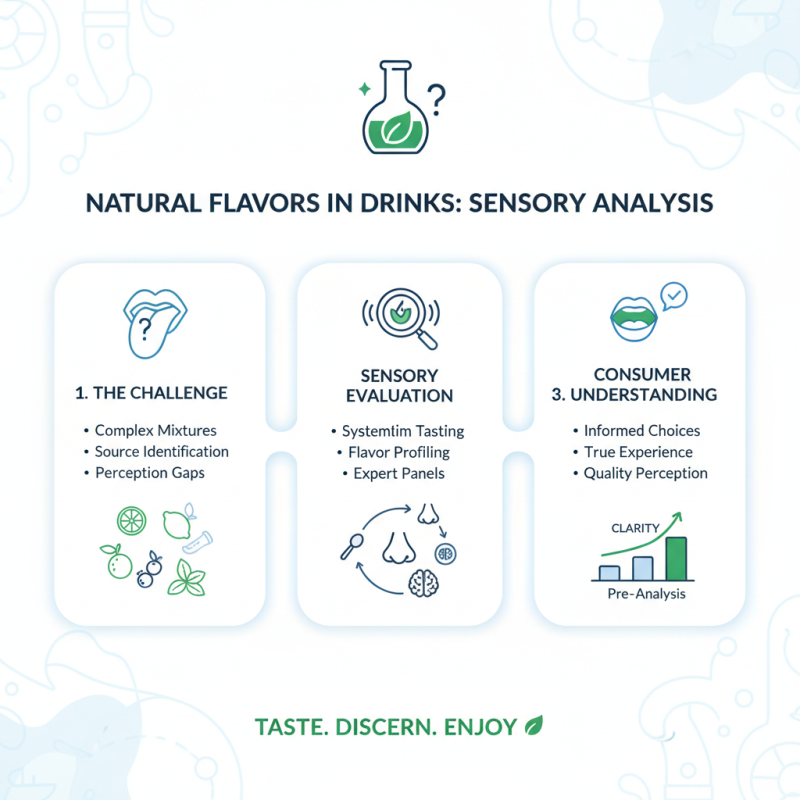
Identifying natural flavors in drinks can be a complex task. Sensory analysis plays a crucial role here. It involves tasting and evaluating flavors systematically. This method helps consumers understand what they are truly experiencing.
According to a report by the International Society of Beverage Technologists, around 70% of consumers prefer drinks labeled with "natural flavors." They seek authenticity in taste. Sensory evaluation often relies on basic traits: aroma, flavor intensity, and aftertaste. Evaluators might distinguish between sweet and sour notes. This complexity can lead to misunderstandings. Sometimes, what is perceived as fruitiness might actually stem from herbs or spices.
In practice, sensory panels gather data on these flavors. Trained tasters provide insights on their preferences and perceptions. However, even trained panels can misinterpret unique flavor blends. Studies show that familiarity with specific flavors affects evaluations. If tasters are used to certain profiles, they may overlook subtleties. This points to the need for ongoing training and practice in sensory analysis. Keeping records can help tasters refine their judgments. Every evaluation can lead to new insights or challenges.
Label Reading: How to Spot Natural Flavors in Product Descriptions
When scanning drink labels, the term “natural flavors” often appears. This phrase can be misleading. It suggests healthiness, but the truth is more complex. These flavors can come from various sources, including plant and animal derivatives.
To spot natural flavors effectively, look for additional information. Ingredients lists might provide hints. If the label specifies fruits or spices used, that’s a good sign. However, vague descriptions raise questions. Words like "natural extracts" can hide the true source.
Consumer vigilance is crucial. Not all drinks labeled with “natural flavors” are suitable for everyone. Some people have allergies or dietary restrictions. This is when label reading becomes essential. Dive deeper into the details. Research any unfamiliar terms. Engaging in this process may take time, but it increases awareness and helps make informed choices.
How to Identify Natural Flavors in Drinks Effectively?
| Drink Type |
Natural Flavor Description |
Source of Flavor |
Label Reading Tips |
| Sparkling Water |
Citrus Burst |
Lemon and Lime Oils |
Look for 'natural lemon/lime flavor' in ingredients. |
| Fruit Juices |
Berry Blend |
Mixed Berry Extracts |
Check for 'natural flavors' sourced from real berries. |
| Soft Drinks |
Vanilla Cream |
Vanilla Bean |
Identify real vanilla by looking for 'vanilla extract' or 'natural vanilla flavor'. |
| Energy Drinks |
Tropical Fruit Punch |
Passion Fruit and Pineapple |
Confirm if flavors are derived from real fruits. |
| Tea |
Mint Refresh |
Peppermint Leaves |
Ensure 'natural peppermint flavor' is indicated. |