How to Identify Products with All Natural Flavors in Your Diet?
In today's health-conscious world, understanding what we consume is crucial. Consumers often seek products labeled with "all natural flavors." However, not many know what that truly means. Renowned food scientist Dr. Emily Carter emphasizes, “Natural flavors can be misleading. Knowing their origin helps consumers make better choices.” Her insight points to a growing concern.
Many products on shelves tout "all natural flavors," but these can derive from various sources. The flavoring process can still involve complex chemical transformations. This reality raises questions about the actual purity of these “natural” ingredients. Ingredient lists often conceal more than they reveal.
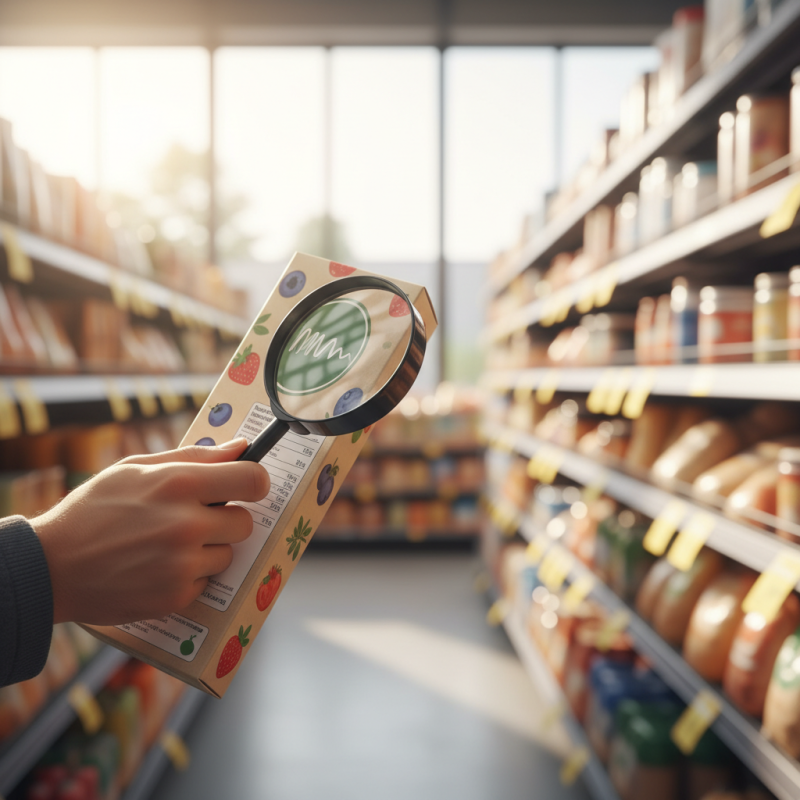
When shopping, one should scrutinize labels closely. Seek products featuring organic or identifiable sources, such as fruits or herbs. Be aware that natural does not always equate to healthy or safe. It’s essential to cultivate a discerning eye when identifying genuine "all natural flavors." Understanding the intricate nuances helps navigate this popular trend.
Understanding the Definition of All Natural Flavors in Food Products
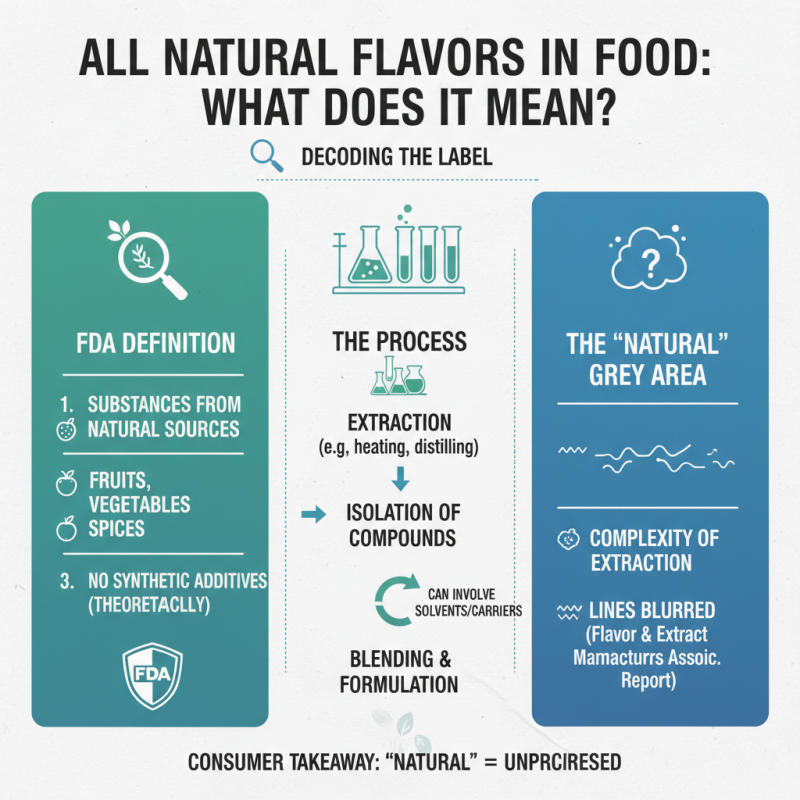
When exploring food products that claim to contain "all natural flavors," it's essential to understand what this term truly means. The Food and Drug Administration (FDA) defines natural flavors as substances derived from natural sources like fruits, vegetables, or spices. However, the processes used to extract and transform these flavors into consumable forms can vary widely. Reports from the Flavor and Extract Manufacturers Association indicate that the complexity of flavor extraction can sometimes blur the lines between what is genuinely "natural" and what is artificially derived.
Additionally, while many consumers assume "natural" equates to healthier choices, research from the Center for Science in the Public Interest (CSPI) highlights some inconsistencies. A significant percentage of products labeled as containing natural flavors may also include additional synthetic additives. This raises questions about the integrity of the label. The use of vague terminology can lead to confusion, making it challenging for consumers to make informed choices.
Understanding modern food labeling requires scrutiny. Research conducted by the International Food Information Council has shown that nearly 40% of consumers do not fully grasp the meaning behind "natural flavors." This knowledge gap can lead to unintended dietary choices. Therefore, vigilance is crucial. Reading ingredient lists and seeking certified labels can help consumers navigate the complex landscape of food flavors. It’s a journey of discovery that demands attention and thoughtfulness.
Identifying Ingredients: Recognizing Natural Flavor Labels on Packaging
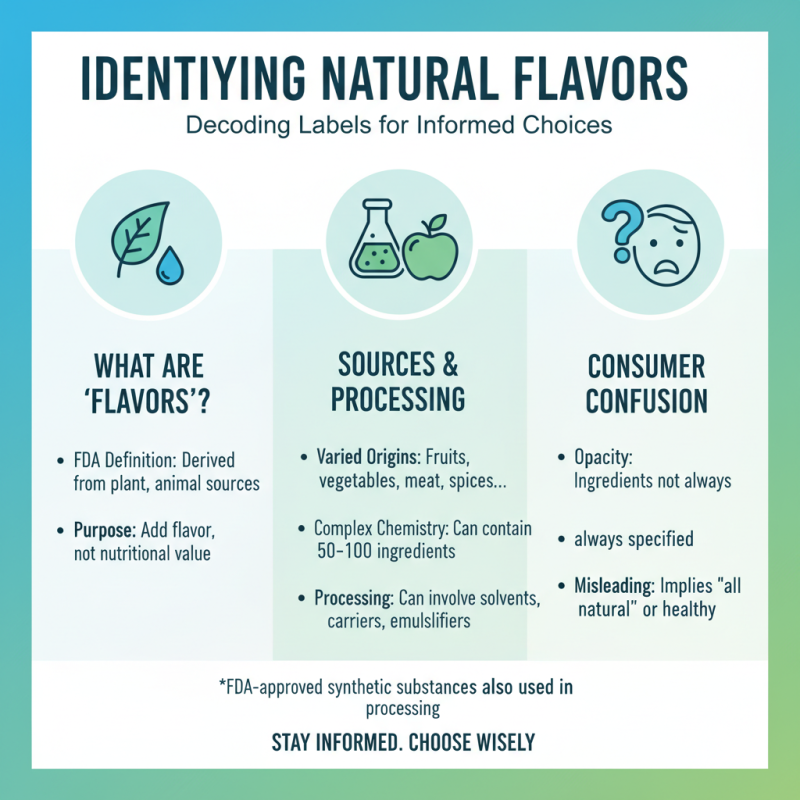
Natural flavor labels can often be misleading. Understanding these terms is key. The U.S. Food and Drug Administration (FDA) describes natural flavors as FDA-approved substances derived from plant or animal sources. However, their origins can vary widely. This opacity leads to confusion among consumers.
When examining packaging, focus on phrases that indicate authenticity. Look for terms like "extracted from" or "derived from." These terms suggest a higher likelihood of true natural flavors. According to a report from the Flavor and Extract Manufacturers Association, over 80% of consumers want transparency in ingredients. Yet, many products still lack clear labeling.
A common pitfall is assuming that a “natural flavor” guarantees health benefits. In reality, these flavors can sometimes mask lower-quality ingredients. The Institute of Food Technologists published findings indicating that consumers often overlook the composition of these ingredients. Therefore, careful examination of the full ingredient list is essential. This way, individuals can better align their dietary choices with their health goals.
Researching Brand Transparency and Ingredient Sourcing Practices
When researching natural flavors in food, brand transparency is crucial. According to a 2022 survey by the International Food Information Council, 73% of consumers want to know more about ingredient sourcing. This desire for information reflects growing awareness and concern about dietary choices. Companies that openly share sourcing practices inspire trust among consumers.
Examining ingredient sourcing can be complex. While many brands use the term "natural flavors," the actual sources may vary. A report from the Food Science Institute indicates that up to 80% of products labeled as natural contain undisclosed chemical compounds. This lack of clarity can lead to confusion. Understanding where ingredients come from is essential for making informed choices.
To navigate this landscape, consumers should seek brands that provide detailed ingredient lists and explain their sourcing methods. Transparency can indicate a commitment to quality and ethics. However, it's also important to recognize that not all brands operate at the same standards. The absence of universal labeling regulations complicates the quest for truly natural products. Educated choices stem from rigorous research and an understanding of industry practices.
How to Identify Products with All Natural Flavors in Your Diet? - Researching Brand Transparency and Ingredient Sourcing Practices
| Product Category |
Natural Flavor Source |
Transparency Rating |
Sourcing Practices |
Certifications |
| Beverages |
Fruit Extracts |
High |
Locally Sourced Ingredients |
USDA Organic |
| Snacks |
Herbs and Spices |
Medium |
Sustainable Farming |
Non-GMO Project Verified |
| Condiments |
Vegetable Concentrates |
Low |
Imported Ingredients |
None |
| Dairy Products |
Natural Milk Flavor |
High |
Ethical Sourcing |
Grass-fed Certified |
Evaluating the Nutritional Value and Health Impacts of Natural Flavors
Natural flavors are often perceived as healthier options in food products. However, evaluating their nutritional value requires careful analysis. According to a report from the Flavor Association, natural flavors can vary widely in their health impacts. Some contain essential compounds beneficial to health, while others may mask unhealthy ingredients. Understanding what makes a flavor "natural" is essential for making informed dietary choices.
One study published in the Journal of Food Science indicates that natural flavors can contribute to dietary variety, which is crucial for overall nutrition. However, these flavors often do not contribute significant nutrients themselves. Therefore, assessing the overall product's ingredient list and nutritional profile is critical. Look for products with fewer artificial additives and higher whole food contents.
Tip: Always read labels carefully. Search for products with explicit disclosures about natural flavors. Choose options that list whole ingredients first, ensuring that natural flavors complement rather than dominate the recipe.
Natural flavors can also provoke reactions for some individuals, leading to discomfort or allergies. Awareness of personal sensitivity is vital. While many natural flavors are safe, others may cause unexpected health issues for certain people. Continuous reflection on how these ingredients affect your body can lead to better dietary choices.
Identifying Nutritional Value of Products with All Natural Flavors
Exploring the Regulations Governing Natural Flavor Additives in Food Products
Natural flavors are a common ingredient in many food products. Understanding their regulation is crucial for consumers. The U.S. Food and Drug Administration (FDA) defines "natural flavor" as substances derived from plant or animal sources, used to enhance the taste of food. However, this broad definition leaves room for confusion.
In 2020, a report from the Flavor and Extract Manufacturers Association indicated that the natural flavor market is projected to grow to $5.6 billion by 2024. This growth raises questions about transparency. Manufacturers are not required to disclose the specific sources of these natural flavors on ingredient labels. This lack of clarity may mislead consumers who seek whole-food diets or allergen-free options.
Moreover, the definition of "natural" isn't standardized across the industry. Terms like "pure" or "organic" can often be misinterpreted. For instance, ingredients that are processed extensively might still qualify as "natural," creating potential discrepancies.
As a result, it's essential for consumers to research products thoroughly and consider the sources of these flavors. A deeper understanding of sourcing can empower informed choices in a market that thrives on flavor innovation but sometimes lacks transparency.