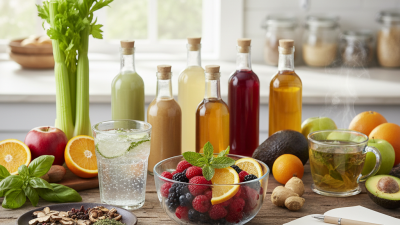
How to Identify Natural Flavors in Food Products?
Identifying natural flavors in food products can be challenging. It is a common ingredient, yet often misunderstood. Natural flavors are derived from plants or animals. They add taste and aroma to various foods.
Consumers often seek transparency in food labeling. Many are unaware of what "natural flavors" truly entail. Ingredients can be vague and misleading. Companies may use the term broadly. Unfortunately, this can lead to confusion. When trying to identify natural flavors, looking closely at the ingredient list is crucial. Researching a brand's practices can be insightful.
Understanding natural flavors requires some effort. Labels may not reveal their source. This creates a need for greater consumer awareness. The journey to deciphering natural flavors is not always straightforward. It prompts questions about authenticity and sourcing. In the end, informed choices can lead to a more satisfying eating experience.
Understanding Natural Flavors: Definition and Sources
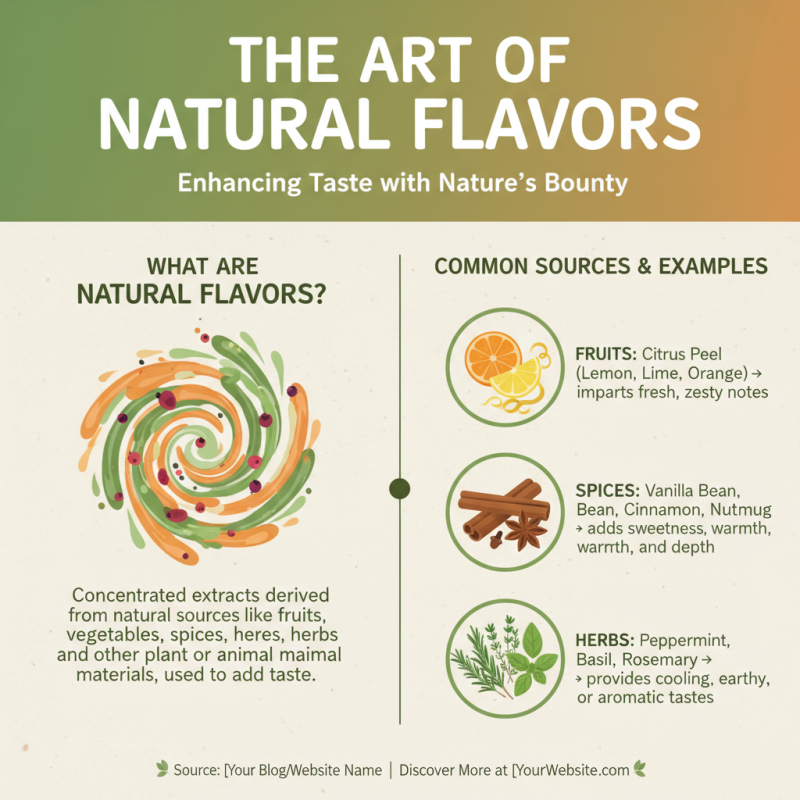
Natural flavors are a complex topic in the food industry. They are derived from plant or animal sources. These sources include fruits, spices, herbs, and even meat. According to the Flavor and Extract Manufacturers Association, about 80% of processed foods contain natural flavors. This statistic highlights their prevalence in our diets.
Understanding the sources of these natural flavors is crucial. For instance, citrus oils often come from the peels of oranges or lemons. They provide a fresh taste without adding artificial ingredients. In contrast, some natural flavors may come from fermentation processes. This can be found in products like kombucha and yogurt. Though these flavors are labeled as natural, the extraction methods can vary widely.
Identifying these flavors can be challenging. The term "natural flavors" is broad and lacks standardization. Ingredients can be modified during processing, losing original characteristics. This poses a dilemma for consumers seeking clean labels. A recent study from the Food Quality and Preference Journal noted that 43% of consumers prefer food with fewer additives. This shows a growing demand for transparency in food labeling, prompting a need for better regulations.
Regulatory Framework: How Natural Flavors are Defined Legally
Natural flavors are a complex topic. They are defined under food regulations, yet there is ambiguity. In the United States, natural flavors must come from plant or animal sources. However, determining the origins can be challenging. Many products label "natural flavor" without detailed breakdowns.
The regulatory framework varies by country, creating added confusion. For example, some regions allow certain synthetic processes, while others do not. This inconsistency leads to uncertainty for consumers. You may wonder if the flavors are truly natural or manipulated.
Understanding these definitions is not straightforward. Labels often lack transparency. This means that consumers might not know the exact composition of what they consume. This lack of clarity can detract from trust in food products. A more informed consumer base might demand stricter regulations for better clarity in the future.
How to Identify Natural Flavors in Food Products? - Regulatory Framework: How Natural Flavors are Defined Legally
| Dimension |
Description |
Legal Definition |
Examples of Sources |
| Natural Flavor |
Flavor derived from natural sources and is typically used to enhance taste. |
Defined by the FDA as a substance obtained from plant or animal material. |
Essential oils, extracts, and distillates. |
| Artificial Flavor |
Flavoring substances created chemically to mimic natural flavors. |
Not considered natural and not derived from natural sources. |
Synthetic flavor compounds. |
| Common Identification |
Look for terms like “flavored with” or “natural flavor” on ingredient lists. |
Must adhere to regulations by governing bodies like the FDA or EU. |
Cocoa powder, vanilla extract. |
| Labeling Requirements |
Requires transparent labeling identifying the source of the natural flavor. |
Regulations often mandate clarity about flavor sources to the consumer. |
Natural fruit flavors, spices. |
Label Reading: Identifying Natural Flavors on Food Packaging
When examining food products, the term "natural flavors" often appears on packaging. This phrase can be misleading. It's essential to read labels carefully. According to a report from the American Chemical Society, over 90% of consumers cannot accurately identify natural flavors in ingredient lists. This lack of awareness can lead to misunderstandings about what we consume.
Natural flavors can derive from various sources. They may come from fruits, vegetables, or spices. Yet, the extraction process can alter their original form. For instance, a flavor might be produced through chemical processes, even if it started as a plant. A study indicated that nearly 70% of "natural flavors" contain synthetic additives. That raises questions about authenticity.
Understanding food labels is crucial. While "natural" may seem healthier, it doesn’t always guarantee quality. Be cautious. It's not just about what's in the product; it's about how it was made. Many consumers overlook the complexities behind these terms. It would be beneficial to educate ourselves further. The food industry continues to evolve, and keeping up with these changes is challenging.
Natural Flavors in Food Products
Common Ingredients Used in Natural Flavoring
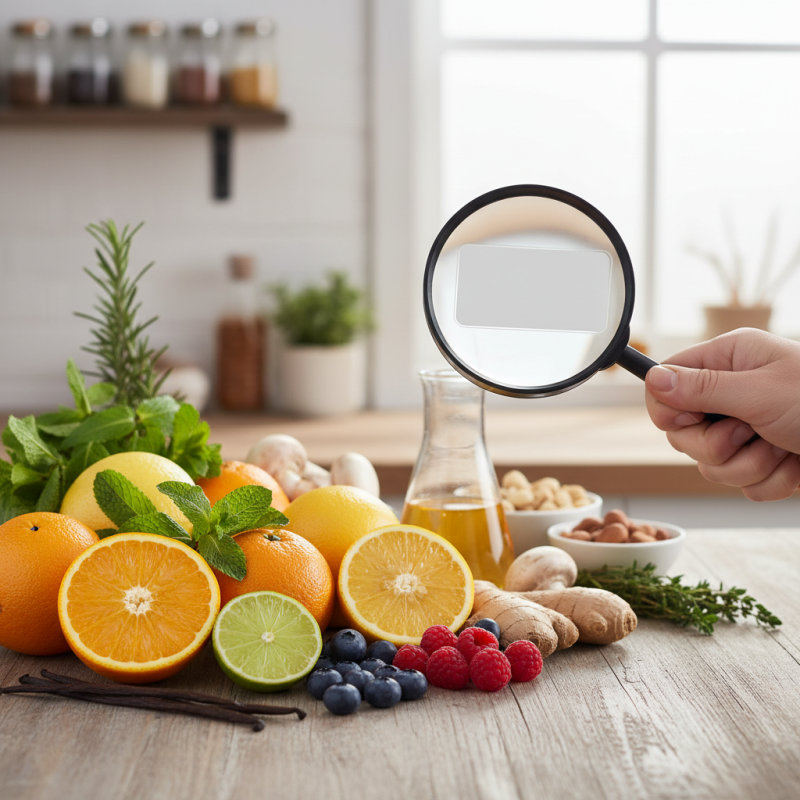
Natural flavors can enhance the taste of food products. Many ingredients are used to create these flavors. Some common sources include fruits, spices, and herbs. For instance, citrus peel can impart a fresh zest. Vanilla beans add sweetness and warmth to many recipes.
Another source is essential oils. They can be extracted from various plants. For example, peppermint oil gives a cool and refreshing taste. While vanilla and citrus are popular, other unique flavors exist. Rose water is often used in Middle Eastern dishes.
However, the term “natural flavor” can be ambiguous. Not all natural flavors are healthy. The extraction process may involve chemicals. This is a point many consumers overlook. Always check the ingredient list thoroughly. You may discover surprising details. Natural flavors can easily mask lower-quality ingredients. Therefore, understanding these components is essential for informed choices in our diets.
Sensory Analysis: Distinguishing Natural Flavors from Artificial Flavors
Sensory analysis plays a critical role in distinguishing natural flavors from artificial ones in food products. To begin, focus on the aroma. Natural flavors often have a complex, layered scent profile. These scents can evoke memories of fresh fruits, herbs, or spices. In contrast, artificial flavors may smell singular or overly sweet. Consider how the aroma affects your appetite and mood.
Taste is another essential component. Natural flavors tend to be more nuanced, offering a balanced sweetness or tartness. When tasting, pay attention to the aftertaste. It may carry hints of the original source, like citrusy notes from real lemons. Artificial flavors often leave a strong, synthetic aftertaste.
Visual aspects can also help reveal flavor origins. Natural ingredients usually present richer colors and textures. For example, a fresh berry will appear vibrant and irregular compared to a uniform candy. Look closely at the details. Noticing the inconsistencies can lead to a deeper understanding of what you consume. However, this analysis might not always be straightforward. Some products blend both types of flavors, challenging our perceptions.