Why Are Natural Flavor Additives Essential for Food Industry?
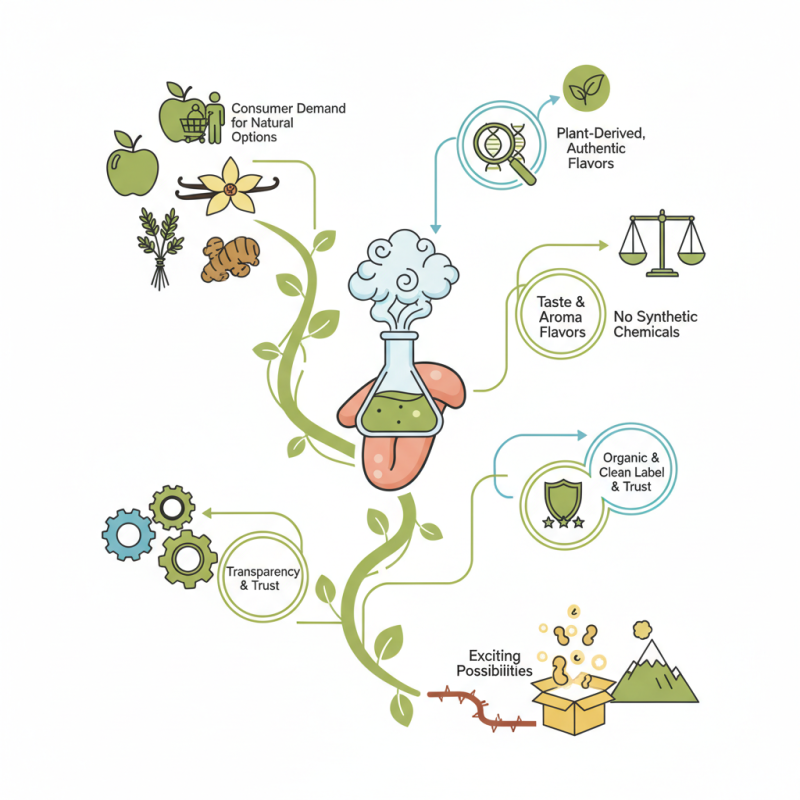
Natural flavor additives play a critical role in the food industry. They enhance taste and aroma, making products more appealing. Many consumers seek natural options today. The use of natural flavor additives meets this demand effectively.
These additives are derived from plants, fruits, and spices. They provide authentic flavors without synthetic chemicals. However, not all natural flavor additives are created equally. Some may vary in quality and effectiveness. It is essential for manufacturers to choose high-quality sources.
The growing market for organic and clean-label products highlights the importance of transparency. Brands must ensure that their natural flavor additives are genuinely natural. As consumer preferences continue to evolve, the food industry faces new challenges. Balancing taste, quality, and health is crucial for success. Exploring the world of natural flavor additives reveals exciting possibilities. This journey is not without complications, but the potential rewards are significant.
The Role of Natural Flavor Additives in Enhancing Food Quality
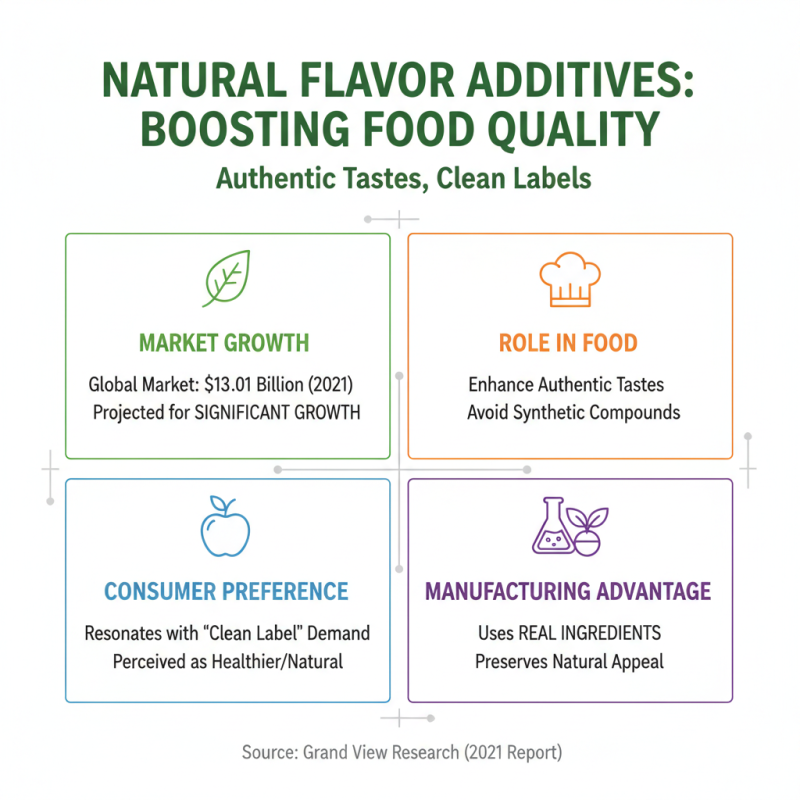
Natural flavor additives play a pivotal role in enhancing food quality across the industry. According to a report by Grand View Research, the global natural flavor market was valued at $13.01 billion in 2021 and is projected to grow significantly. These additives help replicate authentic tastes while avoiding synthetic compounds, preserving the product's natural appeal. By using real ingredients, manufacturers can create flavors that resonate with consumers' growing preference for clean-label products.
Flavor not only impacts taste but also influences perceived freshness and enjoyment. Reportedly, 83% of consumers are willing to pay more for food products with natural ingredients. This consumer shift has prompted food manufacturers to explore natural flavors to improve overall satisfaction. Using botanical extracts and fruit essences can enhance nutrient retention in products, making them not only tastier but also healthier.
Tip: Always check ingredient labels. Look for products that list natural flavors to ensure quality.
Balancing flavor and consumer demand poses challenges. High-quality natural flavors can be more expensive, leading some companies to consider cheaper alternatives. However, these decisions can backfire, harming brand loyalty. Transparency in sourcing ingredients is essential to maintaining consumer trust.
Tip: Invest in sourcing. Quality natural flavors can differentiate a brand in a crowded market.
Market Trends: Growth of Natural Flavor Additives in the Food Industry
Natural flavor additives are transforming the food industry. The market for these ingredients is growing rapidly. Reports indicate that the global market for natural flavors is projected to reach $30 billion by 2026. This growth reflects a shift toward clean-label products. Consumers now prefer flavors derived from natural sources rather than synthetic alternatives.
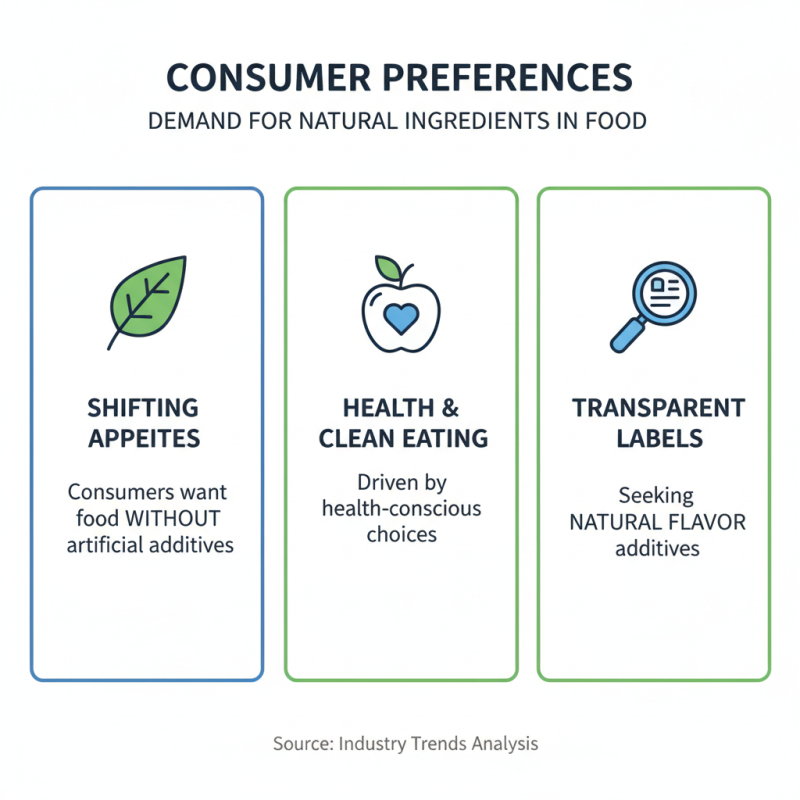
Several factors are driving this trend. Health-conscious consumers are increasingly concerned about artificial additives. Their preference for natural ingredients is reshaping formulations. Additionally, regulatory pressures are prompting manufacturers to minimize artificial components. The Food and Drug Administration (FDA) has highlighted the importance of transparency in food labels. Industry surveys show that over 70% of buyers look for 'natural flavor' on ingredient lists.
However, challenges remain. Not all natural flavors are straightforward to source. Supply chain issues can create inconsistencies in flavor quality. Moreover, regulatory definitions of 'natural' can vary. This ambiguity can cause confusion for consumers. As the industry moves forward, finding balance will be crucial. The demand for authenticity and quality in natural flavor additives must be met without compromising safety or functionality.
Growth of Natural Flavor Additives in the Food Industry
Health Benefits of Natural Flavor Additives vs. Artificial Alternatives
Natural flavor additives play a crucial role in the food industry. They enhance taste while offering a more authentic experience. A report from the Institute of Food Technologists shows that consumer demand for natural ingredients has surged by over 30% in recent years. Many individuals prefer foods labeled as "natural" due to perceived health benefits.
Research indicates that natural flavor additives can be less processed. They often retain nutrients and beneficial properties. A study published in the Journal of Agricultural and Food Chemistry revealed that certain natural flavors contain antioxidants. In contrast, artificial flavors might lack these compounds. They sometimes include synthetic chemicals that can cause adverse reactions.
Furthermore, the use of natural flavors can align with current health trends. Consumers increasingly seek clean label options. A survey by the Food Marketing Institute found that 68% of shoppers consider ingredient transparency vital. However, the sourcing of natural flavors is not always straightforward. Ethical sourcing and quality control remain challenges for producers. These factors contribute to the ongoing debate about what truly constitutes "natural.
Why Are Natural Flavor Additives Essential for Food Industry? - Health Benefits of Natural Flavor Additives vs. Artificial Alternatives
| Aspect |
Natural Flavor Additives |
Artificial Alternatives |
| Source |
Derived from natural sources such as fruits, vegetables, and spices |
Synthetically manufactured or engineered chemical compounds |
| Health Benefits |
Contains beneficial compounds and antioxidants |
May contain harmful additives or allergens |
| Flavor Complexity |
Rich and complex flavor profiles |
Often less complex, may taste artificial |
| Consumer Preference |
Increasing demand for clean label products |
Decreasing acceptance among health-conscious consumers |
| Regulatory Status |
Generally recognized as safe (GRAS) |
Some may require more stringent testing |
Regulatory Standards and Labeling for Natural Flavor Additives in Foods
Natural flavor additives play a crucial role in the food industry. They enhance flavor and improve overall consumer experience. However, regulatory standards are integral to ensuring safety and transparency.
In many countries, natural flavors are tightly regulated. Agencies require a clear definition of what constitutes a "natural" flavor. The ingredients must derive from natural sources such as plants or animals. Yet, the term can sometimes confuse consumers. Not all natural flavors are derived from traditional components. Some may involve complex processing methods.
Labeling for natural flavor additives must also adhere to strict guidelines. Clear and accurate labeling helps consumers make informed choices. Industry challenges can arise, especially when flavors have multiple ingredients. Transparency is key to maintaining trust. This is an area ripe for improvement, as some consumers still feel misled. Highlighting these additives' origins could enhance credibility. Addressing these nuances can foster a deeper consumer understanding of what they are consuming.