What is Natural Flavor Extracts and How Are They Used?
Natural flavor extracts play a vital role in the food and beverage industry. According to a recent report by the Flavor and Extract Manufacturers Association (FEMA), the natural flavor market is projected to reach over $14 billion by 2025. This growth reflects the rising consumer demand for clean label products and transparency in food ingredients.
Dr. Sarah Mitchell, a noted expert in flavor science, highlights the importance of these extracts: "Natural flavor extracts not only enhance taste but also contribute to a healthier perception of products." Companies are increasingly turning to these natural options as they align with consumer expectations for authenticity and wellness.
In practice, natural flavor extracts are derived from plant or animal sources. They can transform simple ingredients into complex flavor profiles. However, there are challenges. The extraction process can be intricate, and not all natural extracts provide the desired stability and consistency. This can lead to product variability. As the industry evolves, understanding their applications is crucial for brands aiming to meet consumer preferences.

What Are Natural Flavor Extracts?
Natural flavor extracts are derived from natural sources like fruits, herbs, and spices. These extracts capture the essence of these foods. The extraction process can involve methods such as steam distillation or solvent extraction. Each technique reveals unique flavors and aromas.
These flavor extracts play a significant role in cooking and food production. They can enhance the taste of various dishes without adding artificial ingredients. For instance, a few drops of vanilla extract can transform a simple cake. Chefs and home cooks alike rely on these extracts for their complexity and depth. However, sometimes the taste can be overpowering or not true to the original ingredient. This can lead to challenges in achieving the desired flavor profile.
Natural flavor extracts also come with their own set of considerations. Not all extracts are created equal, and the quality can vary greatly. Often, pricing can reflect the quality and sourcing of the ingredients used. This requires careful selection. Understanding the intended use and pairing is crucial. Without this insight, flavor combinations might not yield the best results. Cooking with these extracts demands practice and a willingness to experiment. Taste testing helps refine the process, ensuring that the flavors work harmoniously.
Usage of Natural Flavor Extracts in Food Products
The Extraction Process of Natural Flavors
Natural flavor extracts derive from various natural sources. These flavors enhance the taste of food and beverages. The extraction process plays a crucial role in developing these flavors. Techniques like steam distillation and solvent extraction are commonly used. Each method has unique impacts on flavor profiles.
Steam distillation isolates essential oils from plant materials. This process ensures the retention of volatile compounds. Data from the Flavor Extracts Association estimates that over 80% of flavor manufacturers prefer steam distillation for purity. Solvent extraction, on the other hand, is suitable for delicate flavors. Many perfumers favor this method for extracting aromatics. However, it may leave behind solvent residues, raising quality concerns.
Other methods include cold pressing and fermentation. Cold pressing maintains freshness and essential oils. Fermentation can produce complex flavors, especially in beverages. Yet, challenges exist. Contaminations can occur during extraction, affecting the final product. Ensuring quality remains imperative for manufacturers. With evolving technology, the future of natural flavor extracts looks promising, but vigilance in quality control is essential.
What is Natural Flavor Extracts and How Are They Used? - The Extraction Process of Natural Flavors
| Type of Natural Flavor Extract |
Source |
Extraction Method |
Common Uses |
| Vanilla Extract |
Vanilla Beans |
Alcohol Extraction |
Baking, Ice Cream |
| Lemon Extract |
Lemon Zest |
Cold Pressing |
Beverages, Cooking |
| Mint Extract |
Peppermint Leaves |
Steam Distillation |
Desserts, Candies |
| Almond Extract |
Almonds |
Alcohol Extraction |
Baking, Confections |
| Cinnamon Extract |
Cinnamon Bark |
Alcohol Extraction |
Baking, Beverages |
Common Sources of Natural Flavor Extracts
Natural flavor extracts come from various plant sources. Common sources include fruits, herbs, and spices. These extracts capture the essence of the original ingredient. For example, vanilla extract is derived from vanilla beans. Citrus extracts often come from oranges or lemons. These flavors add depth to food without artificial additives.
When using natural flavor extracts, always consider the concentration. They can be potent, altering the final taste significantly. A common tip is to start with small amounts. You can always add more if needed. Take caution with strong flavors like peppermint or almond. These can easily overpower a dish.
Experimentation is key to mastering flavor balance. Think about combinations. Sometimes, a touch of citrus can enhance a berry flavor beautifully. It’s not about following strict rules; it's about finding what pleases your palate. Note how different extracts work in various recipes. It's a learning process that can lead to delightful discoveries.
Applications of Natural Flavor Extracts in Food and Beverages
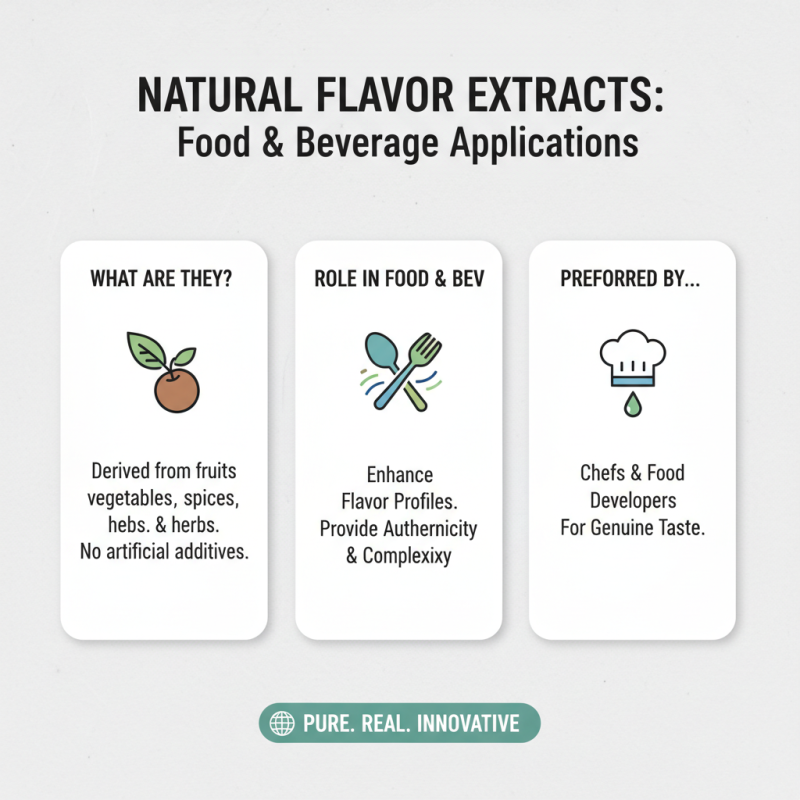
Natural flavor extracts play a significant role in the food and beverage industry. These extracts are derived from natural sources like fruits, vegetables, spices, and herbs. They enhance flavor profiles without the need for artificial additives. Chefs and food developers often prefer them for their authenticity and complexity.
Natural flavor extracts are versatile. They are used in a range of products, such as beverages, baked goods, and snacks. For example, a single drop of vanilla extract can transform a simple cake. Similarly, fruit extracts add depth to smoothies and desserts. These concentrates often require careful balancing to avoid overwhelming the dish.
However, using natural flavor extracts is not always straightforward. Achieving the right flavor balance can be challenging. Some extracts can be more potent than expected. Furthermore, the sourcing of these flavors can vary in quality. Ensuring reliability and consistency in flavor is crucial for manufacturers. The industry often faces scrutiny regarding transparency in ingredient sourcing. Understanding the complexities of these extracts is essential for both producers and consumers.
Regulatory Standards and Labeling of Natural Flavor Extracts
Natural flavor extracts are an integral part of the food and beverage industry. These extracts are derived from natural sources like fruits, vegetables, and spices. However, understanding their regulatory standards and labeling is crucial. The U.S. Food and Drug Administration (FDA) defines natural flavors as substances extracted from natural sources. Yet, there’s ambiguity in what constitutes “natural.”
The FDA does not require different labeling for natural flavors versus synthetic flavors, which can cause confusion for consumers. Reports indicate that nearly 70% of consumers prefer products with natural flavors. Yet, among those, only 30% can correctly identify what natural flavors mean. This discrepancy highlights the need for clear guidelines.
Marketers often use terms like “natural” to appeal to health-conscious consumers. However, without strict regulations, some labels can be misleading. Research shows that companies must balance transparency with marketing strategies. As consumer awareness rises, there’s pressure to enhance clarity around flavor labeling. The evolving standards are critical for fostering trust in the food supply.