What is all natural flavors and why are they important?
In the world of food and beverages, "all natural flavors" play a significant role. These flavors derive from natural sources, such as fruits and herbs. Unlike artificial flavors, they provide a more authentic taste experience. Understanding all natural flavors is essential for consumers who value ingredients.
Food manufacturers often choose all natural flavors to enhance their products. This choice reflects a commitment to quality and transparency. However, not all natural flavors are created equal. Some can still be processed, which raises questions about their true nature.
Consumers should seek clarity in ingredient lists. It is important to know the source of flavors in our foods. Awareness leads to better choices in a market filled with options. By understanding all natural flavors, individuals can make informed decisions that align with their values.
Definition and Composition of All Natural Flavors
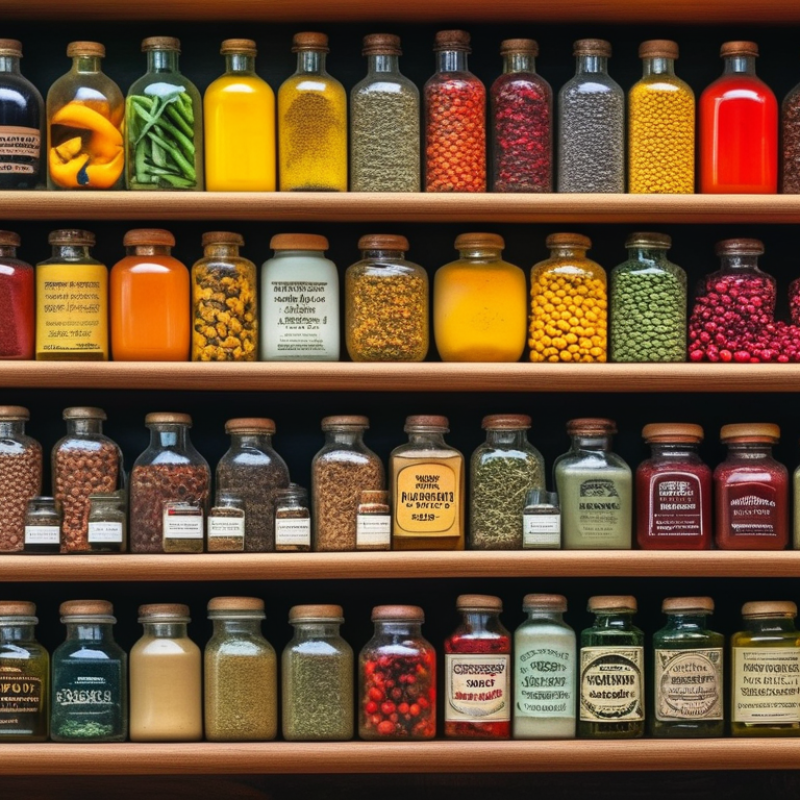
Natural flavors play a crucial role in food and beverage products. They are derived from natural sources such as fruits, vegetables, herbs, and spices. According to the U.S. Food and Drug Administration (FDA), natural flavors must be made from edible plant or animal materials. This ensures that they have a recognizable origin, adding authenticity to products.
The composition of all-natural flavors often involves a blend of essential oils, extracts, and other compounds from these sources. For instance, citrus natural flavors may include a combination of lemon zest, lime oil, and orange extract. A study by the Flavor Extract Manufacturers Association indicates that over 80% of consumers prefer products containing natural flavors over artificial ones. This preference highlights their importance in the food industry and consumer choices.
Tip: Always read ingredient labels to identify natural flavors. Understanding their sources can help you make informed decisions about what you consume.
Despite the positive aspects, there are challenges. For one, the term "natural" can be misleading. Some consumers may assume that all natural flavors are healthier. However, it's essential to recognize that natural does not always mean free of additives or sugar.
Tip: Research brands that prioritize transparency in sourcing their natural flavors. Look for those that provide detailed information about the ingredients.
Sources of All Natural Flavors in Food Products
Natural flavors play a crucial role in enhancing the taste of food products. They originate from various sources, including fruits, vegetables, herbs, and spices. According to a report by the Flavor and Extract Manufacturers Association (FEMA), natural flavors account for approximately 30% of all flavoring agents used in the food industry. This demonstrates their significance in food formulation.
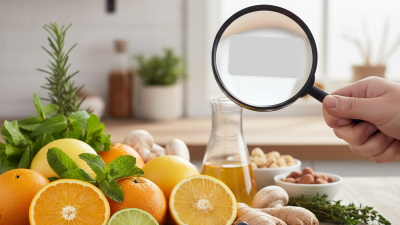
Fruits are a major source of natural flavors. Citrus fruits like oranges and lemons provide zesty notes that brighten many products. Similarly, berries yield sweet and tart profiles, influencing everything from jams to beverages. Vegetables such as garlic and onion contribute savory characteristics, commonly found in sauces and seasonings. The versatility of these sources allows food manufacturers to create diverse flavor experiences that appeal to consumers.
However, the industry faces challenges regarding the sourcing of natural flavors. Sustainable sourcing is under scrutiny, with some natural extracts depleting resources. A 2022 report by the Food and Agriculture Organization highlighted the need for responsible practices. Ensuring that flavor sources are ethically obtained is crucial for brand integrity and environmental responsibility. Consumers increasingly demand transparency in labeling, prompting a shift towards sustainable practices.
Importance of All Natural Flavors in Food Industry
Natural flavors are derived from plants and animals. They play a crucial role in the food industry. Consumers seek products with recognizable ingredients. This demand drives the use of natural flavors in various foods, from snacks to beverages.
Incorporating all natural flavors enhances the sensory experience. They provide depth and richness, making food more enjoyable. These flavors can evoke memories and emotions, creating a strong connection with consumers. However, the sourcing of these ingredients can be inconsistent. This inconsistency may lead to variations in taste and quality, prompting industry reflection.
Sustainability is another aspect to consider. The extraction of natural flavors often impacts the environment. Companies must balance flavor quality with ethical sourcing practices. Striving for transparency is vital. Consumers deserve to know where their food comes from and how it’s made. A deeper understanding will help drive the future of natural flavor use in food.
Regulatory Standards for All Natural Flavors
Natural flavors are complex mixtures derived from plant and animal sources. They play a crucial role in food and beverage products. Regulatory standards for these flavors vary globally. The FDA defines them as substances extracted through physical processes, ensuring safety for consumers. Compliance with these standards is vital for manufacturers to maintain quality and safety.
A 2021 report highlighted that over 90% of food manufacturers prioritize regulatory compliance. This emphasizes the importance of adhering to standards in flavor production. The European Food Safety Authority (EFSA) also outlines rigorous guidelines for natural flavors, focusing on traceability and safety. These regulations help mitigate health risks and build consumer trust.
Despite these regulations, challenges persist. The sourcing of natural flavors can lead to inconsistencies in quality. Additionally, some producers may not fully disclose their sourcing methods. This lack of transparency complicates the assessment of product safety. Consumers are more informed today, demanding high standards in flavor ingredients. Addressing these challenges will be crucial for the industry.
Distribution of Natural Flavors in Various Food Categories
Consumer Perception and Market Trends of All Natural Flavors
In recent years, all natural flavors have gained significant attention in the food industry. Consumers are increasingly concerned about what they eat. They demand transparency and authenticity in food products. This demand has led to a rise in the popularity of natural flavors.
Market trends indicate a growing preference for products labeled as "natural." Consumers often believe these items are healthier and safer. The push for all natural flavors is driven by a shift towards cleaner ingredients. Many people are moving away from artificial additives. They seek products that resonate with their desire for an authentic experience.
However, the perception of natural flavors can be misleading. While they are derived from natural sources, the processing methods can alter their integrity. It's important for consumers to examine ingredient labels critically. Misinformation can often lead to confusion. The challenge lies in balancing consumer expectations with the realities of food production. As the market evolves, continuous education is essential for ensuring informed choices.
What is all natural flavors and why are they important? - Consumer Perception and Market Trends of All Natural Flavors
| Dimension |
Data Point |
| Consumer Awareness |
68% of consumers recognize "all natural flavors" |
| Purchase Influence |
55% prefer products with natural flavors |
| Health Perception |
72% associate natural flavors with healthier options |
| Market Growth Rate |
Expected CAGR of 7.5% in the next 5 years |
| Top Categories |
Beverages (30%), Snacks (25%), Dairy (20%) |
| Consumer Age Group |
Millennials (40%) are the largest demographic |
| Skepticism |
25% remain skeptical about the term "natural" |