What Are All Natural Flavors and How to Use Them in Products?
The rise of "all natural flavors" in the food industry reflects a shift towards healthier, clean-label products. According to the Natural Flavors Market report by Grand View Research, the global market is expected to reach $57 billion by 2025. Consumers increasingly prioritize transparency in food labeling. This trend drives brands to incorporate all natural flavors for enhanced taste without synthetic additives.
Experts like Dr. Anna Roberts, a flavor chemist, emphasize the importance of these flavors in modern recipes. She states, "All natural flavors are crucial for balancing taste and health." This highlights the industry's commitment to developing products that meet consumer demand for quality and safety. However, the definition of "natural" can vary. Brands face the challenge of ensuring clarity in labeling while adhering to regulatory standards.
Navigating the all natural flavors landscape is not without obstacles. Companies must balance flavor innovation with ingredient sourcing. The complexity of flavor extraction processes can lead to inconsistencies in flavor profile and quality. Addressing these issues requires diligent research and a deep understanding of consumer preferences.

Understanding the Definition of Natural Flavors
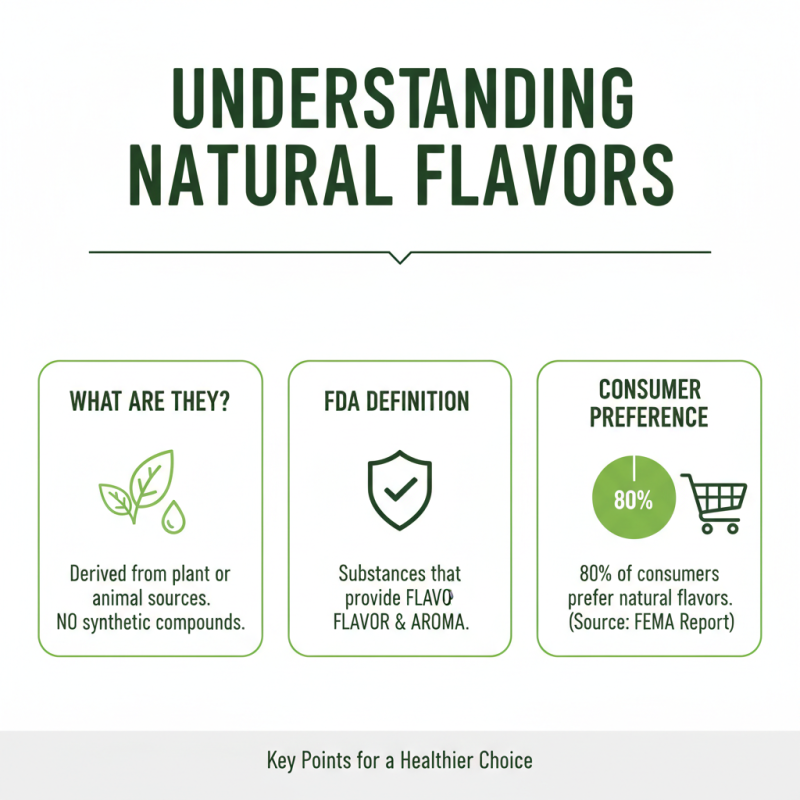
Natural flavors are derived from plant or animal sources. They should contain no synthetic compounds. The U.S. Food and Drug Administration (FDA) defines them as substances that provide flavor and aroma. A report from the Flavor and Extract Manufacturers Association (FEMA) states that nearly 80% of consumers prefer products with natural flavors.
Despite their appeal, the term "natural" can be vague. Many consumers assume that natural flavors are healthier. However, it's essential to recognize that these flavors may still undergo significant processing. They can be extracted using solvents. Understanding this complexity is vital for informed choices.
When using natural flavors in products, careful consideration is key. The flavor must complement the overall profile. For instance, citrus flavors can enhance beverages but may clash in savory foods. Some manufacturers report that the right natural flavor can increase product sales by up to 20%. However, achieving this balance requires expertise and ongoing testing.
Sources of Natural Flavors: Where They Come From
Natural flavors are derived from various sources, primarily plants and fruits. These flavors capture the essence of the original ingredient. They can come from essential oils, extracts, or even aroma compounds. For example, a natural vanilla flavor may be extracted from vanilla beans, while citrus flavors can be sourced from the peel of oranges or lemons.
Understanding where natural flavors come from can enhance product formulation. When formulating products, consider using flavor extracts from specific fruits or herbs. These could enhance the taste profile significantly. It's vital to ensure that the sources you choose are reputable and align with consumer preferences.
Tips: Remember to assess the sensory properties of the flavors. Test them in small batches before full-scale production. This approach can help you refine the taste. Also, monitor consumer feedback. It can provide insights into how your products resonate with customers. Experiment with different combinations. Creating unique blends can lead to exciting new flavors that stand out.
Common Uses of Natural Flavors in Food and Beverages
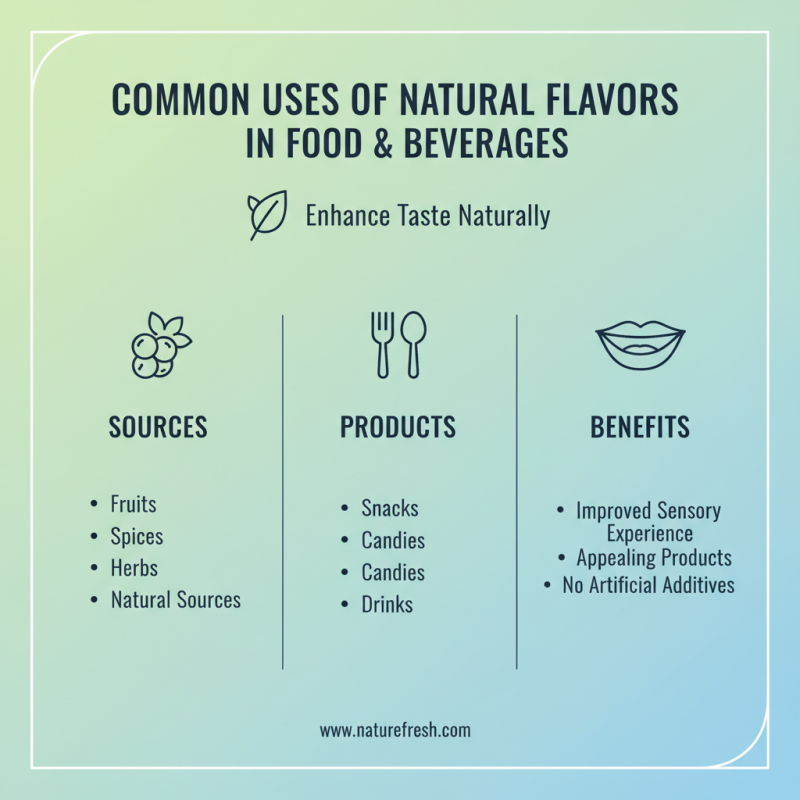
Natural flavors are commonly used in food and beverages to enhance taste without artificial additives. They can come from fruits, spices, herbs, and other natural sources. You often find them in snacks, candies, and drinks. These flavors improve the sensory experience and help create appealing products.
When using natural flavors, consider the target audience. Tailor flavors to match their preferences. Some people love fruity notes, while others prefer spicy or herbal flavors. Each demographic has unique tastes, so understanding your market is crucial.
Tips: Start with small amounts of natural flavors. Gradually adjust based on feedback. Test your products in small batches before scaling up. This approach minimizes waste and allows for refinements. Remember, balance is key. Too much flavor can overwhelm the product. Take time to find the right mix for a harmonious outcome. Embrace the trial and error process. It often leads to the best results.
Health Considerations and Regulations Surrounding Natural Flavors
Natural flavors are derived from plant or animal sources. They offer unique taste profiles in various products. However, health considerations surrounding them are crucial. According to the Flavor and Extract Manufacturers Association (FEMA), over 1,500 different natural flavors are currently recognized. Yet, the term "natural" can often be misleading.
Regulations by agencies such as the FDA and EFSA govern the use of natural flavors. These agencies require that the sources of these flavors be well-documented. In many regions, no extensive testing is required before a natural flavor is approved for use. This can raise concerns regarding allergenicity and individual sensitivity. For instance, some individuals might have reactions to specific natural extracts, which may not always be easily identifiable on labels.
Awareness of these health implications is growing. A 2020 survey found that 39% of consumers seek transparency in food labeling. While natural flavors may seem healthier than artificial additives, they should be approached cautiously. Understanding individual health needs is paramount. The conversation about their safety and transparency is ongoing and must evolve with consumer demands and research findings.
How to Choose and Incorporate Natural Flavors in Product Development
When selecting natural flavors for product development, it's vital to understand their sources. These flavors derive from fruits, spices, and herbs, emphasizing authenticity. They can significantly enhance the sensory appeal of a product. Start by conducting detailed research on flavor profiles. Testing various combinations can lead to unique creations that resonate with consumers.
Incorporating natural flavors requires a thoughtful approach. The process begins with small-scale trials. Adjust the concentrations based on feedback and sensory evaluations. Be mindful, as the intensity of natural flavors can vary widely. Understanding the balance between flavor and product integrity is crucial. Periodic adjustments may be necessary throughout the development phase.
Experimentation is essential in this journey. Not every natural flavor will work harmoniously with every product. Keeping an open mind during this creative process can lead to unexpected results. Iterate and refine your selections, and don’t hesitate to seek insights from flavor experts. This collaboration fosters innovation and keeps your product aligned with consumer preferences.