What are Natural Flavors and How are They Defined?
Natural flavors play a crucial role in the food and beverage industry. They are derived from natural sources and enhance the taste of products. According to a 2022 report by the International Flavor and Fragrance Association, nearly 80% of consumers prefer products with natural flavors. This growing trend reflects a shift towards healthier eating habits.
To better understand how to define natural flavors, industry experts weigh in. Dr. Amy Brown, a renowned flavor chemist, stated, "Defining natural flavors requires a deep understanding of their origin and extraction methods." This perspective highlights the complexities involved in categorizing these flavors. The distinction between natural and artificial flavors is often blurred, leading to confusion for consumers.
Many people remain unaware of the specific ingredients in their favorite foods. Information transparency is essential. While natural flavors may sound appealing, their origin can be complicated. Each ingredient undergoes rigorous testing to ensure safety and compliance. Yet, some argue that more clarity is needed for better consumer understanding. The challenge remains: how to navigate this intricate landscape and ensure that the definition of natural flavors is both accurate and accessible.
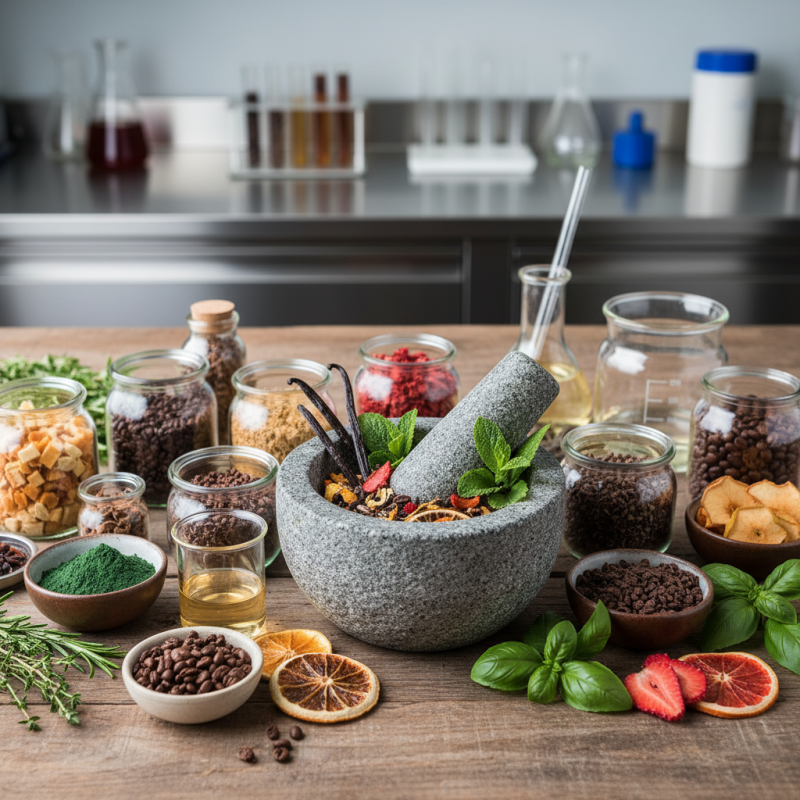
Definition of Natural Flavors in the Food Industry
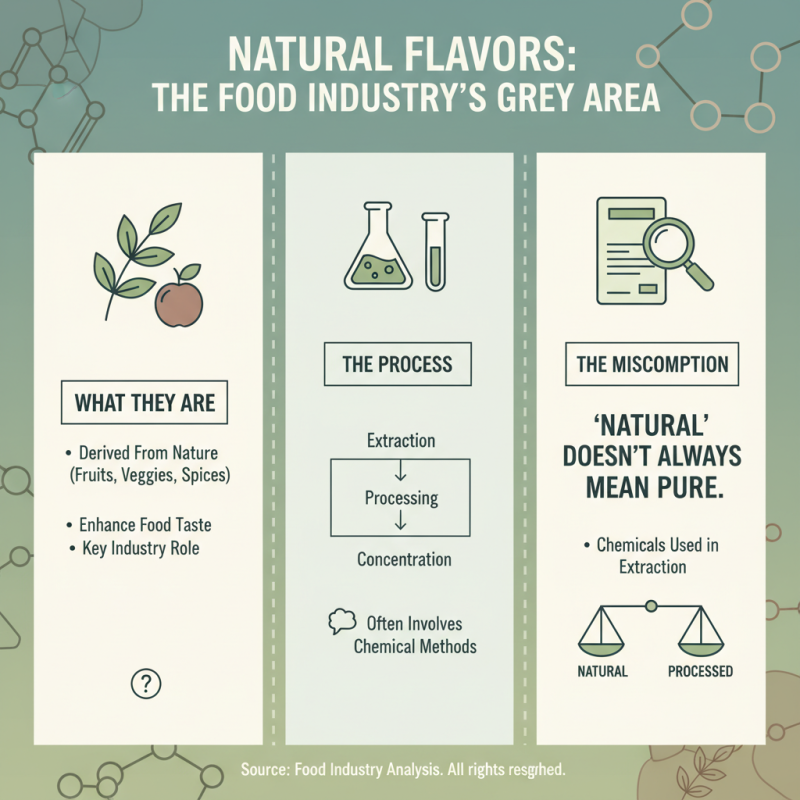
Natural flavors play a crucial role in the food industry. These flavors are derived from natural sources, like fruits, vegetables, and spices. They're extracted and processed to enhance the taste of food products. This definition can be misleading, as it may suggest that all components are purely natural. However, the extraction process often involves chemical methods.
The term "natural flavors" does not guarantee a completely unaltered state. Even small changes in processing can lead to questions about authenticity. For instance, the extraction methods may utilize solvents that aren't completely natural. This raises concerns about transparency in labeling. Consumers may not fully understand what they are eating.
Moreover, natural flavors are not necessarily healthier than artificial ones. Often, they are simply used to mask undesirable tastes in processed foods. Reading labels carefully is essential for informed choices. While these flavors can make food more appealing, their presence can obfuscate nutritional value. It's crucial to reflect on what "natural" really means in the context of food.
Regulatory Standards for Natural Flavor Labeling
Natural flavors are a common ingredient in many foods. Their labeling can sometimes be confusing. Regulatory standards govern how these flavors can be marketed. In the United States, the FDA defines natural flavors as substances sourced from plants or animals. However, this definition leaves room for interpretation.
Producers often create natural flavors through a complex process. The extraction may involve high heat or solvents. This process can alter the original ingredient. Many consumers think of natural flavors as pure and simple. But the reality is more nuanced. The path from source to final product can introduce many variables.
Regulatory standards aim to ensure transparency. Yet, not all products provide adequate detail. Labeling may lack specificity about the source of these flavors. This ambiguity can leave consumers questioning what they are consuming. It is essential to scrutinize ingredient lists carefully. Each choice contributes to our health and wELL-bEING.
Sources of Natural Flavors: Plant and Animal Origins
Natural flavors can originate from various sources, primarily
plants and animals.
Plant-derived natural flavors include fruits,
vegetables, herbs,
and spices. They are often extracted through methods like
steam distillation or enzymatic processes.
According to the Flavor Extract Manufacturers Association (FEMA),
plant-based flavors account for approximately 80% of the global
natural flavor market. These flavors contribute to the sensory profile of numerous food products, enhancing taste without
artificial additives.
Animal sources also play a role in the creation of natural flavors. Common examples
come from dairy, meat, and
seafood. For instance, cheese and fish extracts can impart unique
umami notes to dishes. However, the use of animal-derived flavors
raises ethical and sustainability concerns. Recent reports indicate that around
50% of consumers prefer plant-based flavors for ethical reasons.
This shift highlights the ongoing reflection within the industry regarding the impact of sourcing practices on both flavor
profiles and consumer preferences. Balancing flavor quality with ethical sourcing remains a
challenge.
Extraction Methods Used in Natural Flavor Production
Natural flavors are created using various extraction methods. Each method has its own unique characteristics and impacts on flavor profile. These techniques help transform raw materials into concentrated flavors suitable for food products.
Steam distillation is common. This method uses steam to extract essential oils from plant materials. It’s effective but may not capture all flavor nuances. Cold pressing is another technique. It’s often used for citrus oils. The process can be imprecise, as too much pressure can cause bitterness.
Solvent extraction is widely used as well. This method involves using a solvent to dissolve flavor components. It can achieve rich flavors but risks leaving behind residues. Other methods like maceration aim to infuse flavors directly into a carrier. However, this may lead to variations in flavor concentration. Each method requires careful consideration of materials and desired outcomes. Balancing efficiency with flavor integrity is a constant challenge in production.
Differences Between Natural and Artificial Flavors
Natural flavors are compounds extracted from plants or animals. They can be found in fruits, vegetables, spices, and even dairy products. In contrast, artificial flavors are chemically created and do not originate from these natural sources. This distinction is crucial for consumers who are becoming more health-conscious. They want to know what they are consuming.
Natural flavors often carry a perception of being safer and healthier. However, this is not universally true. The extraction process can involve solvents and chemicals, which raises questions about purity. Artificial flavors, on the other hand, are designed to mimic the taste of natural flavors. They can be more stable and cost-effective, but may lack complexity. Many consumers may prefer the taste of a natural flavor but might be unaware of its origin and processing.
It's worth noting that not all natural flavors are created equal. Some may contain additives or preservatives despite being labeled as "natural." This can create confusion for people trying to make informed choices. Understanding the differences between these flavor types is essential for a healthier diet. It's also a reminder that just because a flavor is labeled as natural does not automatically mean it is better for you. Consumers should always read labels and consider their options carefully.
Natural vs. Artificial Flavors: A Comparative Analysis
This bar chart illustrates the percentage usage of natural versus artificial flavors in food products. According to recent surveys, around 60% of consumers prefer natural flavors, while 40% are open to artificial options. This trend indicates a growing preference for products made with natural ingredients.