What are Natural Flavors in Food and Why Do They Matter?
Natural flavors in food play a crucial role in enhancing our culinary experiences. They come from natural sources, such as fruits, vegetables, and spices. These flavors contribute to the aroma and taste of food products. However, the term "natural flavors" can be vague. Consumers often wonder about their origins and safety.
Understanding natural flavors food is essential in today's market. These ingredients often replace artificial additives. They appeal to health-conscious consumers who seek transparency. Awareness of what goes into our food can guide better choices. Yet, not all natural flavors are created equal. Some may still contain additives or processing agents that affect quality.
There is a growing demand for authentic flavor sources. Consumers want to be informed about the ingredients they consume. Transparency is key in building trust with food brands. Yet, navigating the world of natural flavors can be complex. We should reflect on their importance and implications in our diets. As we explore this topic, we can better appreciate the nuances of taste and product labeling.
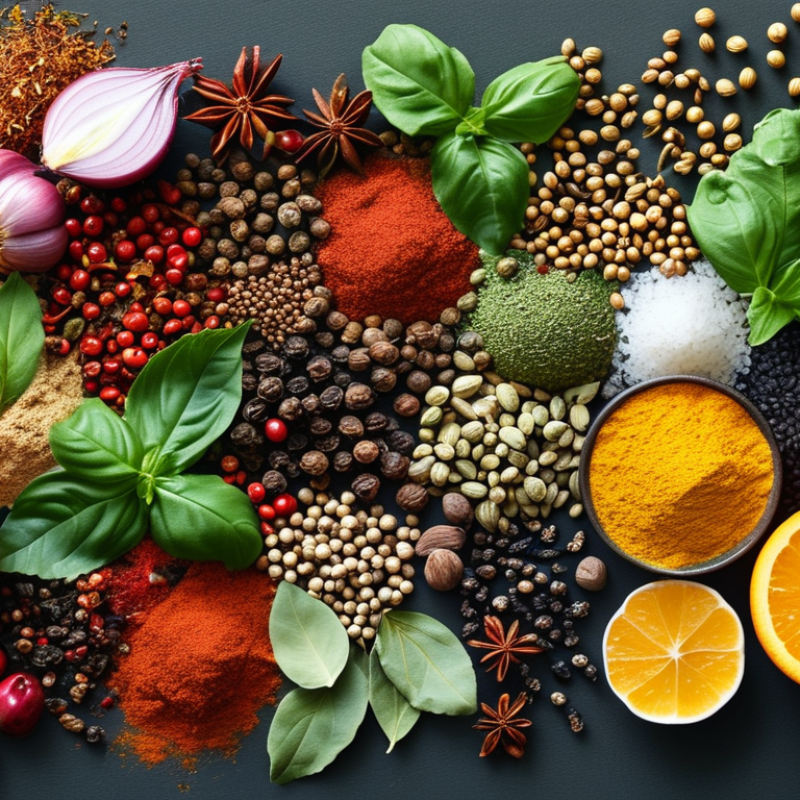
Understanding the Definition of Natural Flavors in Food
Natural flavors are derived from plant or animal sources. They are commonly found in many processed foods. These flavors are extracted to enhance taste without using synthetic chemicals. This process aims to offer a more authentic flavor experience. However, the term "natural" can be misleading for consumers.
Understanding natural flavors starts with their definition. The FDA allows a broad range of substances to qualify as natural flavors. This creates room for interpretation. Often, the source of the flavor is not listed, leading to consumer confusion. Additionally, the extraction methods can vary significantly. Some might be less environmentally friendly than others, sparking questions about sustainability.
While they add depth to food, natural flavors may also mask the quality of ingredients used. For instance, a product may consist of low-quality base ingredients yet taste great due to natural flavors. This can lead to a reliance on these flavors instead of focusing on overall nutrition. Consumers should be aware of what they eat and question the ingredients on labels.
Understanding Natural Flavors in Food
This chart represents the prevalence of various natural flavors used in food products as a percentage of total natural flavors reported in the food industry. Understanding these flavors is essential as they contribute to the taste and experience of many foods we consume.
The Sources of Natural Flavors: Where Do They Come From?
Natural flavors in food come from various plant and animal sources. These flavors are derived from fruits, vegetables, spices, herbs, and even meat. For example, the essence of a ripe strawberry can be extracted and used as a natural flavor in beverages and desserts. This process often involves steam distillation or solvent extraction, which preserves the integrity of the original ingredient.
The sourcing of these natural flavors raises questions. Are all sources sustainable? Some extracts might be rare or over-harvested, impacting ecosystems. Additionally, different methods of extraction can vastly affect the final flavor profile. A flavor derived from a specific region may taste different due to local growing conditions. Consumers should be aware that while natural flavors sound appealing, they might not always reflect the original food accurately.
Furthermore, the mystery surrounding natural flavors can be concerning. Ingredients used in processing might not be disclosed clearly. This lack of transparency can lead to confusion among consumers seeking healthy choices. Understanding where flavors come from is essential. It can lead to more informed decisions and encourage better practices within the food industry.
The Role of Natural Flavors in Enhancing Food Taste and Aroma
Natural flavors play a crucial role in enhancing the taste and aroma of food. They are derived from natural sources such as fruits, vegetables, spices, or herbs. This gives them an edge over artificial flavors, which can sometimes taste overly synthetic. When you take a bite of a meal that boasts natural flavors, you often experience a depth that you might not find otherwise.
For example, the essence of fresh strawberries can transform a simple dessert into a delightful treat. Natural flavors bring authenticity to food. They remind us of the ingredients we trust and love. However, not all natural flavors are created equal. Some may be overly processed, stripping away the original nutrients and richness. It prompts us to reflect on what we consume and the importance of understanding food labels.
The challenge lies in balancing flavor and health. It's essential to be aware of how natural flavors are extracted and utilized. While they can enhance the eating experience, we should also question whether they align with our dietary values. Engaging with food knowledge empowers us to make better choices. After all, eating should be both enjoyable and nourishing.
Health Implications of Consuming Natural Flavors in Processed Foods
Natural flavors are commonly found in processed foods, yet their health implications warrant careful consideration. These flavors are derived from natural sources, like plants and animal products, intended to enhance taste and aroma. However, the term "natural" can be misleading. Consumers often believe that these ingredients are inherently safe. Yet, reactions vary based on individual tolerance and dietary restrictions.
While many people enjoy foods with natural flavors, some may have adverse reactions. Allergies or sensitivities can arise without warning. Moreover, these flavors can mask the lack of nutrition in processed foods. Relying heavily on such products can lead to poor dietary choices. Effective communication about the contents of food is key.
Understanding labels is vital for discerning which foods align with personal health goals. Transparency in food production would help consumers make informed decisions. A cautious approach is essential, as not all natural flavors are equal. We must stay aware and question what we consume daily. This reflection can guide better eating habits and encourage a more balanced diet.
Regulatory Standards and Labeling of Natural Flavors in the Food Industry
Regulatory standards for natural flavors are significant in the food industry. These standards vary across countries. The U.S. Food and Drug Administration (FDA) defines natural flavors as substances extracted from plants or animal sources. However, there's a lack of uniformity in how these flavors are produced.
Labeling can be misleading. Consumers often assume "natural" means healthier. Yet, the extraction process for these flavors may involve chemicals. Understanding this can foster more informed choices. Many food products list natural flavors without clarifying their origin. This ambiguity sometimes raises questions about the extent of processing involved.
Food manufacturers face challenges in balancing flavor profiles and transparency. Regulatory frameworks often lag behind consumer demand for clarity. The complexity of flavor creation means that not all "natural flavors" are created equal. Greater scrutiny and clearer labeling may be necessary.