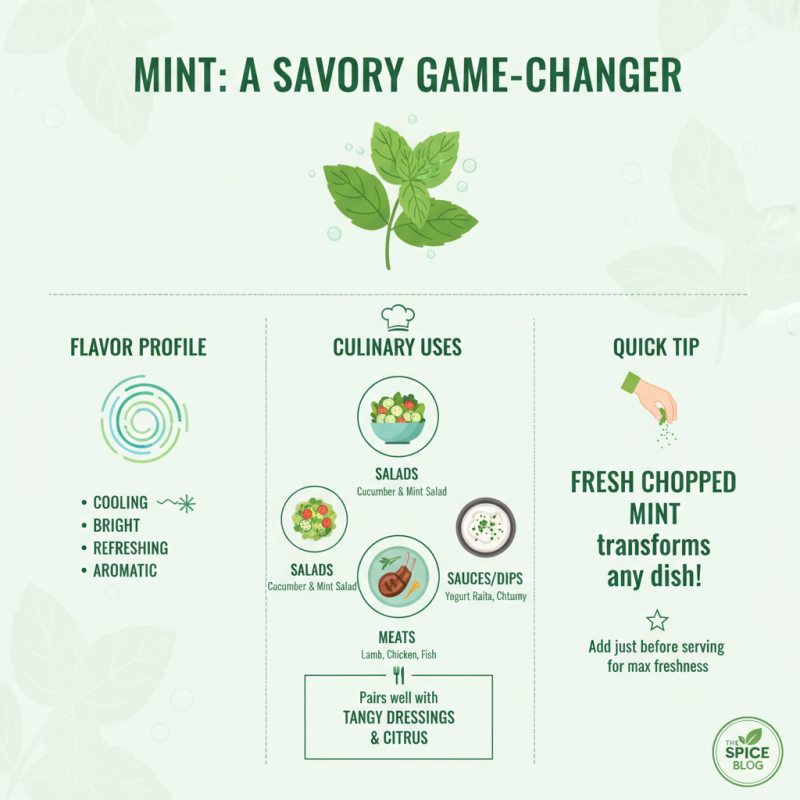
Top Natural Mint Flavouring Uses in Food and Beverages
Natural mint flavouring is a versatile ingredient in the culinary world. Its refreshing taste adds unique notes to various dishes and beverages. The popularity of mint “goes beyond” just its flavor; it evokes freshness and vibrancy.
In desserts, natural mint flavouring enhances chocolates and ice creams. Picture a rich chocolate cake paired with a mint glaze. The combination is irresistible. In drinks, mint elevates cocktails and teas, offering a cooling sensation on a hot day. However, creating the perfect balance can be challenging. Too much mint can overpower other flavours.
Using natural mint flavouring requires thoughtful integration. It invites experimentation. Yet, it also demands a careful approach to avoid muddled tastes. Overall, mint is not just an ingredient; it is an experience waiting to be curated.
Natural Mint Flavoring: An Overview
Natural mint flavoring has gained popularity in the food and beverage industry. According to a report by ResearchAndMarkets, the global mint flavor market is projected to grow by 4.5% annually. This growth is largely driven by the increasing demand for natural flavoring in products. People are becoming more conscious about their food choices. They prefer natural ingredients over artificial additives.
Mint flavoring is versatile. It enhances candies, desserts, and drinks. For example, minty freshness is a staple in many summer beverages. However, sourcing natural mint can be a challenge. Quality varies widely among suppliers. This inconsistency affects the flavor profile of finished products. Brands must ensure that they use reliable sources to maintain consistency.
Interestingly, mint oil is often extracted from various species. The most common are spearmint and peppermint. Each has a unique flavor profile. However, not all extraction methods preserve the flavor's integrity. This is a critical factor for manufacturers.
Consumer preferences are also evolving. The trend leans toward cleaner labels, with fewer additives. Mint is perceived as refreshing and healthy. This perception drives demand. Yet, the market must address sustainability in its sourcing practices. It's not just about flavor; it’s about responsibility.
Refreshing Uses of Mint in Beverages
Mint is a delightful herb that brings refreshing flavors to various beverages. Its unique taste can uplift simple drinks into something extraordinary. Consider adding fresh mint leaves to your water for a subtle flavor boost. The leaves infuse sweetness without sugar.
In cocktails, mint adds complexity. Muddling mint with lime and sugar can create a vibrant base for drinks. Mojitos are a classic example. The aromatic mint enhances the refreshing experience. Try experimenting with other combinations, like mint and pineapple or mint and ginger.
Tips: Always use fresh mint for the best flavor. Dried mint lacks the robust taste of fresh leaves. Also, don't over-muddle; it can release bitterness. A gentle press is enough. Too much can make you rethink your drink choice.
Mint in Desserts: Sweet Treats and Innovations
Mint has become a popular ingredient in modern desserts. Its refreshing flavor can elevate sweet treats, making them more enjoyable. According to a recent market report, the global mint flavoring market for food and beverages is expected to grow significantly, driven by innovation in dessert creations.
Chefs and home bakers alike are experimenting with mint in ice creams and chocolates. For instance, mint chocolate chip ice cream blends rich flavors with a cooling sensation. This combination appeals to many consumers seeking unique sweet flavors. A study noted that about 40% of dessert manufacturers are now incorporating natural mint extracts into their recipes.
However, achieving the perfect balance can be challenging. Too much mint can overwhelm other flavors. Innovators are learning to use mint sparingly. Infusing mint into syrups or creams allows a subtle flavor that enhances desserts without dominating them. This careful approach can lead to exciting new inventions, but it requires constant testing and feedback. Many creators are still refining their techniques to get it just right.
Health Benefits and Nutritional Aspects of Mint Flavoring
Mint flavoring is popular in many foods and beverages. It's not just refreshing; it offers various health benefits. Mint is known for its digestive properties. It can relieve stomach discomfort and bloating. When you feel uneasy, a cup of mint tea might be what you need.
In addition to digestion, mint has antioxidant properties. Antioxidants can protect your cells from damage. They may also reduce inflammation. This makes mint a great addition to your diet.
Tips: Experiment with mint in your dishes. Add it to salads for a fresh twist. Try it in desserts to enhance sweetness. Mint can also elevate your beverages. A few leaves in water or lemonade make a delightful drink.
Keep in mind, however, that some people may be allergic to mint. Always test in small amounts. Reflect on how mint affects your palate. Enjoy its cooling properties, but moderation is key.
Top Natural Mint Flavouring Uses in Food and Beverages - Health Benefits and Nutritional Aspects of Mint Flavoring
| Use |
Health Benefits |
Nutritional Aspects |
| Mint Tea |
Aids digestion, relieves headaches, freshens breath |
Low in calories, rich in antioxidants, contains vitamin C |
| Mint in Salads |
Boosts immune system, anti-inflammatory properties |
Provides dietary fiber and vitamins A and K |
| Mint Syrup |
Supports respiratory health, alleviates nausea |
Contains sugars, can be high in calories if sweetened |
| Mint in Desserts |
Enhances mood, provides a cooling effect |
May include dairy, sugars, and other nutrients depending on the recipe |
| Mint Cocktails |
Promotes relaxation, digestive aid |
Varies, may contain alcohol, sugars, depending on mix |