Why Natural Taste Matters in Choosing the Best Food Options for Your Health
In an era where food choices are abundant yet overwhelmingly processed, understanding the significance of "natural taste" becomes paramount for anyone seeking to improve their health through diet. Natural taste refers to the authentic flavor profile of foods that is preserved through minimal processing, allowing the inherent qualities of ingredients to shine. Embracing this concept not only enhances culinary experiences but also serves as a guiding principle in selecting healthier options that nourish the body.
Scientific studies have increasingly reinforced the idea that natural taste is intrinsically linked to nutritional value. Foods that retain their original flavors are typically richer in essential nutrients and free from artificial additives, which are often detrimental to our health. By prioritizing natural taste in our food choices, we empower ourselves to make decisions that align with both our palate and our well-being.
Furthermore, the appreciation of natural taste fosters a deeper connection with the food we consume, encouraging mindful eating habits. This connection can significantly enhance our awareness of food sources and sustainability, creating a holistic approach to nutrition. As we delve into the various dimensions of natural taste, we will explore its critical role in shaping not only our health but also our approach to food in a world increasingly dominated by convenience and excess.
The Importance of Natural Taste in Food Selection for Optimal Health
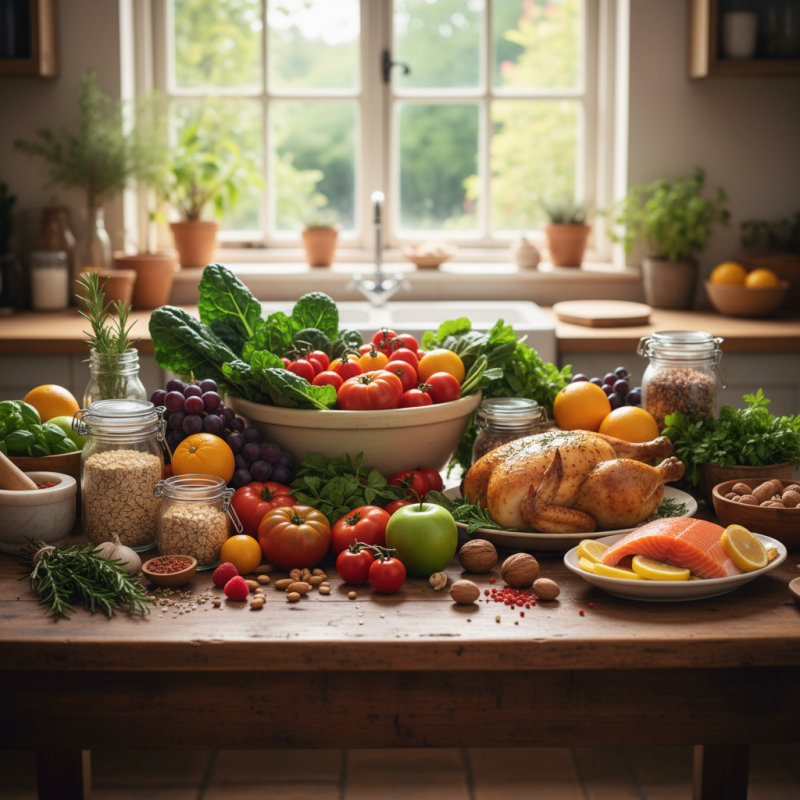
Natural taste plays a crucial role in food selection for optimal health. When we choose foods that resonate with their inherent flavors, we are more likely to consume items that are nutritionally rich and free from artificial additives. Foods that possess a vibrant, natural taste often indicate freshness and quality, which are vital for maintaining a balanced diet. Emphasizing these flavors can lead us to prefer whole, minimally processed foods that provide essential vitamins, minerals, and antioxidants, ultimately nurturing our bodies in a more sustainable way.
Moreover, the importance of natural taste extends beyond mere nutrition. It also fosters a deeper connection between individuals and their food. When people savor the authentic flavors of fruits, vegetables, grains, and proteins, they become more mindful of their eating habits. This mindfulness can encourage healthier choices, as individuals start to recognize how different foods affect their energy levels and overall well-being. By prioritizing natural taste, we can transform our food choices into a more enjoyable and health-conscious experience, paving the way for a thriving lifestyle.
Why Natural Taste Matters in Choosing the Best Food Options for Your Health
This chart illustrates the importance of natural taste in various food categories based on their perceived health benefits. Foods with a more pronounced natural taste are often associated with higher nutritional value.
Understanding the Science Behind Natural Flavors and Their Health Benefits
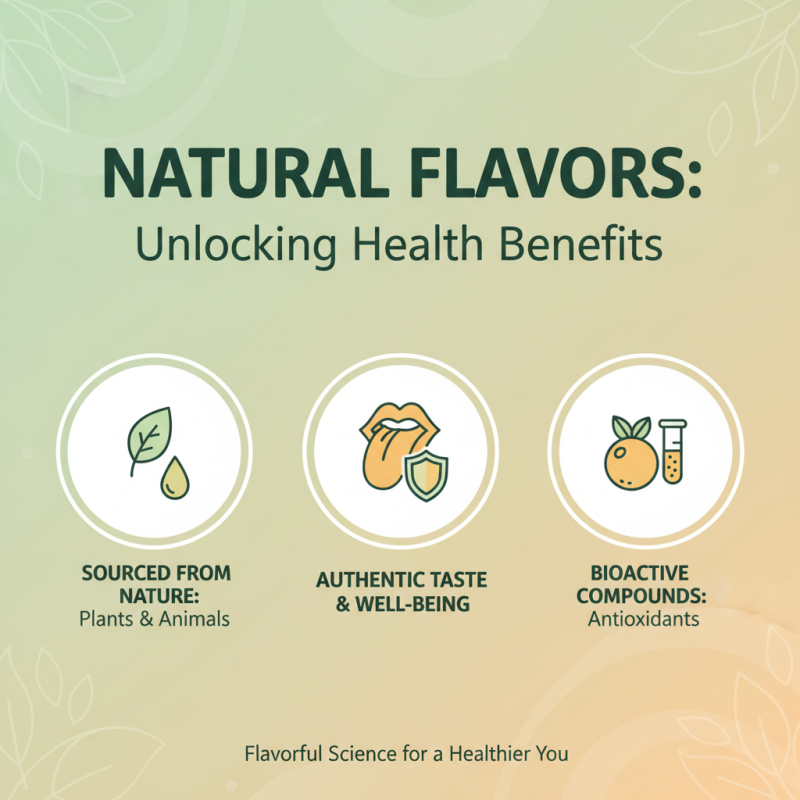
Natural flavors have garnered significant attention in recent years, drawing interest not only from consumers but also from researchers exploring their underlying health benefits. According to a report from the Food Institute, natural flavors are derived from plant and animal substances, offering a more authentic taste experience compared to synthetic alternatives. These flavors often come with additional health benefits, as they can encompass bioactive compounds that contribute to overall well-being. For instance, studies published in the Journal of Agricultural and Food Chemistry highlight that certain natural flavors, such as those derived from herbs and spices, possess antioxidant properties, which are essential in combating oxidative stress and inflammation in the body.
Research has shown that the incorporation of natural flavors into the diet may also enhance nutrient consumption. A survey conducted by the International Food Information Council found that 66% of consumers prefer food with natural flavors because they perceive it to be healthier. This preference reflects a growing trend towards whole, minimally processed foods. Furthermore, the benefits of natural flavors extend beyond taste; they often signal the presence of nutrients that may be lacking in highly processed options. For example, natural sources of flavor like citrus fruits not only provide flavor but are also rich in vitamin C and other essential nutrients, supporting immune function and overall health. As more studies emerge, the connection between natural flavors and their intrinsic health benefits continues to reinforce the importance of choosing foods that are not only tasty but also nutritious.
How Natural Taste Influences Nutritional Choices and Eating Behavior
Natural taste plays a crucial role in shaping our nutritional choices and eating behaviors. Research indicates that flavors derived from whole, unprocessed foods can significantly enhance food appeal, making it easier for individuals to opt for healthier choices. A study published in the journal "Nutrition Reviews" found that natural flavors can lead to increased consumption of fruits and vegetables, reflecting how taste influences dietary preferences. Furthermore, the report suggested that shoppers tend to gravitate towards foods that provide a rich sensory experience, thereby reinforcing the importance of taste in promoting healthier eating habits.
To harness the power of natural taste, consider incorporating seasonal fruits and vegetables into your meals. This not only enhances flavor but also provides essential nutrients that support overall health. A practical tip is to experiment with cooking techniques such as roasting or grilling, which can intensify the natural flavors of foods without adding unhealthy fats or sugars. Additionally, opting for herbs and spices instead of salt or artificial flavorings can elevate your dishes while adhering to a health-conscious diet.
Moreover, it's beneficial to engage in mindful eating practices that emphasize savoring flavors. Taking time to appreciate the aromas and tastes of your food encourages a more satisfying eating experience and can prevent overeating. The "Harvard Health Letter" emphasizes that mindful eating can lead to better food choices and overall well-being. By prioritizing natural taste, we not only enhance our meals but also foster healthier eating patterns that contribute to long-term health.
Examining the Role of Processed Foods vs. Whole Foods in Flavor Perception
The distinction between processed foods and whole foods significantly impacts our flavor perception and subsequent health choices. Processed foods often rely on artificial additives, flavor enhancers, and sweeteners to create appealing tastes, which can lead to a preference for these overly manipulated products. This reliance on synthetic flavors not only alters our taste buds but can also discourage individuals from seeking out the natural, rich flavors found in whole foods like fruits, vegetables, grains, and nuts.
Whole foods, on the other hand, tend to provide a more authentic and varied flavor profile, reflecting their natural state. The consumption of whole foods encourages a deeper appreciation of intrinsic tastes, leading to a more satisfying and holistic eating experience. For instance, the natural sweetness of an apple or the earthy flavor of fresh spinach can reshape how we perceive and enjoy our meals. This shift in flavor perception is crucial, as it fosters healthier eating habits and a stronger connection to the food we consume, ultimately benefiting our overall well-being.
Statistics on Consumer Preferences for Natural Ingredients in Food Choices
Consumers today are increasingly prioritizing natural ingredients in their food choices, reflecting a significant trend towards health-conscious eating. According to a survey conducted by the International Food Information Council, approximately 70% of consumers reported that they prefer foods with natural ingredients. This statistic highlights a growing awareness of the potential health benefits associated with consuming less processed, more wholesome foods. Further studies suggest that millennials and Gen Z are particularly inclined towards natural options, with 78% in these demographics stating that they actively seek out foods labeled "natural."
When selecting food options, understanding the importance of natural taste can greatly influence overall health and wellness. A report from The Hartman Group indicates that 61% of consumers believe that natural ingredients enhance the flavor of food, making it a more appealing choice. This preference not only shapes dietary habits but also drives the food industry to innovate and provide more products that align with consumer desires for authenticity and transparency.
Tips: When shopping for food, always check the ingredient list. Aim for products with fewer ingredients that you can recognize and pronounce. Additionally, consider seeking out local markets or organic options that often focus on natural ingredients, as they may offer fresher and healthier choices tailored to your palate.
Why Natural Taste Matters in Choosing the Best Food Options for Your Health
| Food Category |
Percentage of Consumers Preferring Natural Ingredients (%) |
Average Consumer Rating (1-5 Scale) |
Willingness to Pay More (%) |
| Fruits & Vegetables |
85 |
4.5 |
60 |
| Meats |
75 |
4.2 |
55 |
| Dairy |
65 |
4.0 |
50 |
| Snacks |
55 |
3.8 |
45 |
| Beverages |
70 |
4.1 |
52 |