How to Source High Quality Natural Mint Flavouring for Products?
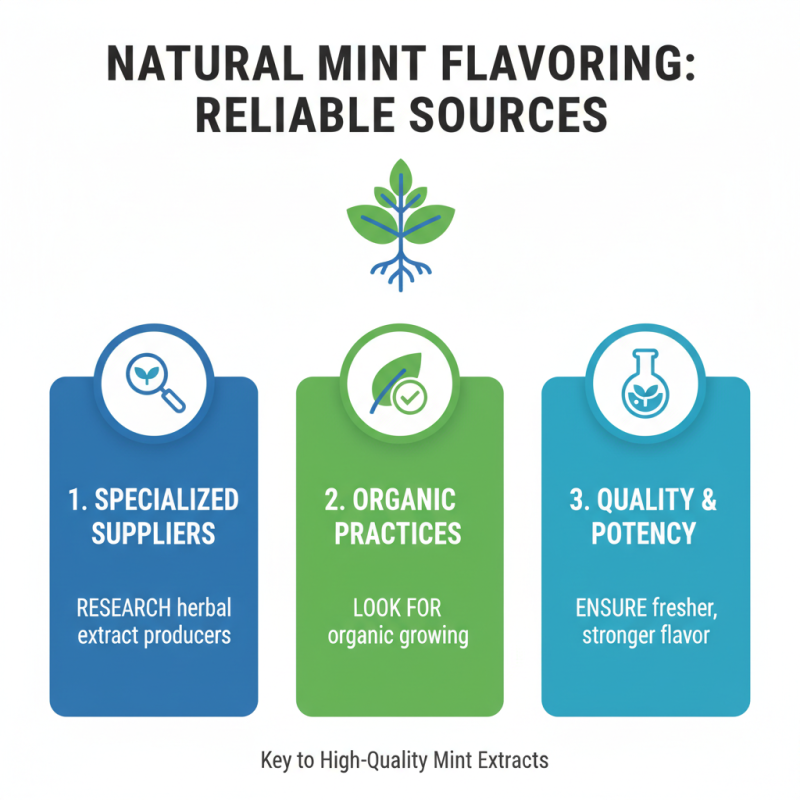
Sourcing high-quality natural mint flavouring is essential for many products. Mint is beloved for its refreshing taste and aroma. However, not all mint flavourings are created equal. Finding a reliable supplier who specializes in natural mint flavouring can be challenging.
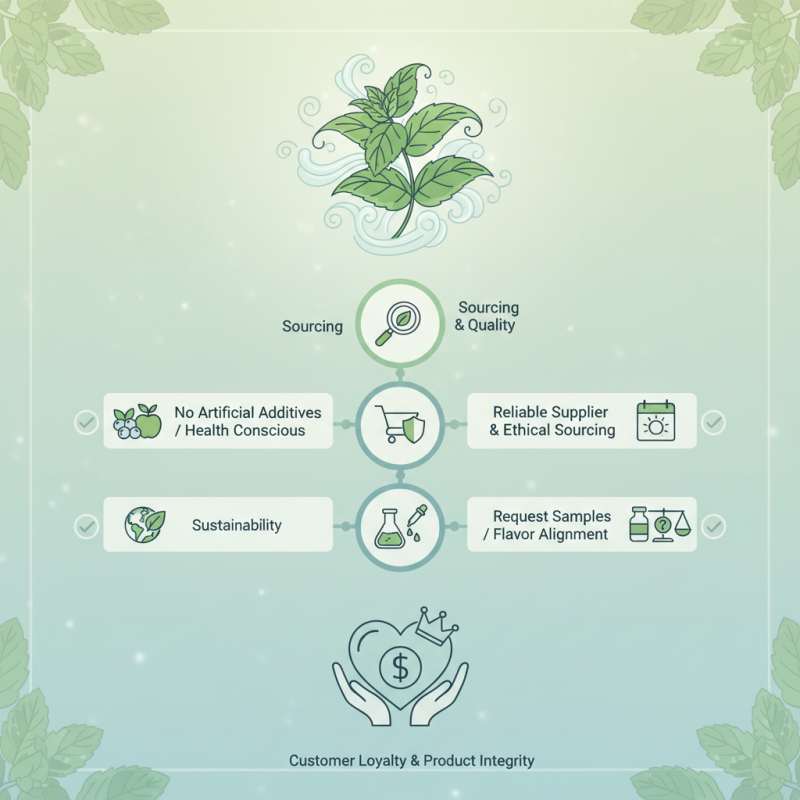
Quality is vital when selecting ingredients. Opting for natural mint ensures that the product remains free from artificial additives, appealing to health-conscious consumers. Look for suppliers with a proven track record. They should prioritize sustainability and ethical sourcing. These factors can significantly influence the quality of their mint flavouring.
Despite the growing demand, there can be inconsistencies in natural mint flavouring. Seasonal variations impact the potency and aroma of mint. Always request samples before making bulk purchases. This ensures the flavour aligns with your product's vision. Reflection on supplier practices is crucial for maintaining product integrity. Quality matters and can make or break customer loyalty.
Understanding the Importance of High-Quality Natural Mint Flavouring
Natural mint flavouring is essential for many food and beverage products. High-quality mint provides a fresh, vibrant taste. It enhances the overall sensory experience. Consumers increasingly seek products that are genuine and free from synthetic additives. Using natural mint aligns with this growing demand for authenticity.
Quality matters in mint sourcing. Not all mint varieties are created equal. Some may lack the intense flavor desired. Others might have issues with consistency. Sourcing from trusted suppliers is vital. These suppliers often use sustainable farming methods. This approach not only ensures potency but also supports environmental health.
Choosing the right natural mint involves careful evaluation. Consider how it interacts with other ingredients. Sometimes, a lower quality mint could spoil the product’s profile. Testing is necessary to maintain flavor integrity. It’s crucial to listen to consumer feedback. Continuous improvement is essential in maintaining high standards.
Natural Mint Flavouring Quality Comparison
Evaluating the Quality of Mint Flavouring Through Testing and Certification
Evaluating the quality of natural mint flavouring requires a thorough understanding of its sources and testing methods. The main factors influencing flavour quality include the plant's origin, growing conditions, and harvesting techniques. A 2021 industry report highlighted that mint from specific regions, like the Pacific Northwest of the United States, often exhibits superior flavour profiles. This is due to optimal soil conditions and climate, which enhance the mint's essential oil content.
Testing and certification are crucial for ensuring the purity of mint flavouring. Many companies rely on gas chromatography and mass spectrometry to analyze the composition of mint oils. These tests reveal the presence of key compounds like menthol and menthone, which directly affect flavour quality. According to the International Organization for Standardization (ISO), certification standards help guarantee consistency and reliability in flavouring products. Without proper testing, inconsistencies can occur, leading to customer dissatisfaction.
However, achieving high-quality mint flavouring is not without challenges. Variations in cultivation practices can result in batch inconsistencies. Moreover, fluctuating market demands may push suppliers to compromise quality for cost. It’s essential for manufacturers to evaluate their sources carefully. Relying solely on certifications may not be enough without ongoing quality checks and supplier audits. Continuous improvement in sourcing practices is necessary to ensure a premium product.
Assessing Sourcing Methods: Local vs. Global Mint Suppliers
When sourcing natural mint flavoring, choosing between local and global suppliers is crucial. Local suppliers often guarantee freshness. You can visit farms and observe production methods firsthand. This interaction fosters trust and transparency. However, local sourcing may limit variety. Depending on your region, the types of mint available might not meet your product's flavor profile.
On the other hand, global suppliers can offer a wider selection. They often have access to rare mint varieties that are cultivated in ideal climates. This can enhance the taste of your products. Yet, global sourcing carries risks. The quality of mint can vary significantly. You may face challenges in verifying the purity and sustainability of ingredients. It's essential to conduct thorough research and establish clear quality criteria.
Consider the environmental impact as well. Transporting ingredients over long distances contributes to carbon emissions. Local options generally reduce this footprint. Balancing quality, sustainability, and cost is essential in the decision-making process. Each approach has its own set of advantages and challenges. Understanding these will help you make a more informed choice.
Exploring Sustainable Practices in Mint Flavouring Production and Sourcing
Sustainable practices in mint flavouring production are essential for environmental health. According to the Food and Agriculture Organization, sustainable agriculture increases productivity while reducing environmental impact. Mint plants require less water than many crops, making them a viable option in arid regions. Emphasizing organic farming practices can enhance soil quality and biodiversity.
Sourcing mint flavouring sustainably involves careful selection of suppliers. Research indicates that farms adhering to sustainable methods yield higher quality crops with less pesticide residue. The International Conference on Sustainable Agriculture reports that integrating crop rotation and organic fertilizers significantly boosts mint oil concentration.
However, there are challenges. Many producers still rely on synthetic additives due to cost. This leads to a fluctuating market, where quality can vary drastically. Transparency in sourcing can help bridge this gap. By prioritizing ethical sourcing, businesses can ensure they are not only promoting sustainability but also enhancing the quality of their mint products.