Top 10 Tips for Choosing Natural Flavor Extracts for Your Recipes
When it comes to enhancing the taste of our culinary creations, the choice of ingredients plays a pivotal role. Among these, natural flavor extracts stand out for their ability to imbue dishes with authentic flavors derived from real sources. As Jim Bennett, an industry expert and flavor specialist, eloquently puts it, "Natural flavor extracts are the soul of a recipe, transforming simple ingredients into extraordinary experiences." By selecting the right natural flavor extracts, home cooks and professional chefs alike can elevate their recipes to new heights.
In the quest for flavors that not only tantalize the palate but also align with health-conscious choices, understanding how to choose the best natural flavor extracts becomes essential. The landscape of flavoring agents is vast, and navigating it can be overwhelming. However, with a few insightful tips and a discerning approach, you can make informed decisions that bring out the best in your dishes. Whether you are baking a delightful dessert or creating a savory dish, these extracts can serve as the perfect finishing touch, adding depth and complexity to your culinary repertoire.

Understanding the Basics of Natural Flavor Extracts and Their Sources
Natural flavor extracts play a vital role in enhancing the taste of culinary creations. These extracts are derived from natural sources, including fruits, spices, nuts, and herbs, making them a popular choice for home chefs and professional cooks alike. Understanding the sources of these extracts is crucial for selecting the right flavors for your recipes. For instance, vanilla can come from the vanilla bean, while citrus extracts can be derived from the zest of lemons, oranges, or limes. Knowing where these flavors originate helps ensure their quality and authenticity.
When choosing natural flavor extracts, consider the method of extraction. Some extracts are made using cold pressing, while others may employ distillation techniques. Cold-pressed extracts generally preserve the original flavor and aroma better, making them a preferred option for many recipes. Look for clear labeling that indicates how the extract is produced, as it can significantly affect the taste profile of your dish.
Always opt for quality over quantity when selecting flavor extracts. A small amount of a high-quality extract can vastly improve your recipe, while a larger quantity of a lower-quality option may lead to an overpowering or artificial taste. Experimentation is key—start with less concentrated extracts and gradually increase the amount based on your personal taste preference. This approach enables a perfect balance and allows the natural flavors to shine through in your dishes.
Evaluating Ingredient Purity and Labeling Standards in Flavor Extracts
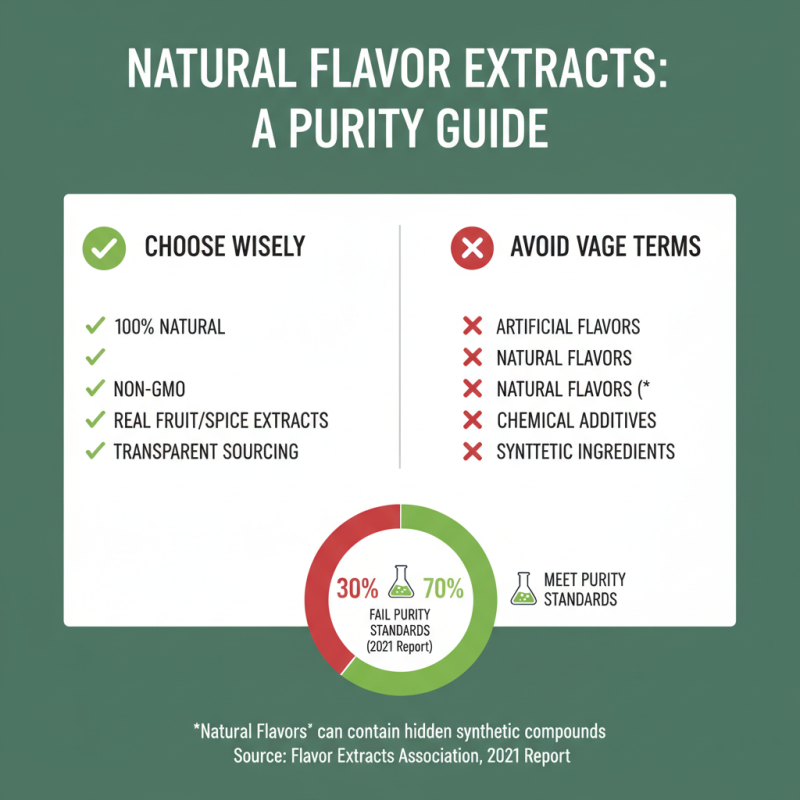
When selecting natural flavor extracts for your culinary creations, assessing the purity of ingredients and the adherence to labeling standards is paramount. According to a 2021 report from the Flavor Extracts Association, around 30% of the flavor extracts on the market do not meet the necessary purity requirements, which can significantly impact both flavor quality and safety. Consumers should scrutinize nutrition labels, looking for descriptors such as "100% natural" and "non-GMO," while avoiding products that contain vague terms like "artificial flavors" or "natural flavors," which can obscure the true content of the extracts.
As you evaluate natural flavor extracts, it’s crucial to consider sourcing practices. Ingredients derived from reputable, sustainable sources are likely to exhibit higher purity levels. Consider integrating these tips: first, check if the extract is made from real fruits, herbs, or botanicals. Secondly, look for certifications such as USDA Organic or similar quality seals, which can provide assurance about ingredient integrity and ethical sourcing. Maintaining awareness of these factors not only enhances flavor but also aligns with a growing consumer demand for transparency and quality in food products.
Assessing Flavor Concentration: Measuring Strengths of Extracts
When selecting natural flavor extracts for your recipes, one critical element to consider is flavor concentration, which refers to the strength and potency of the extract. According to industry reports, natural extracts can vary significantly in their flavor profiles; for instance, vanilla extract can range from 2% to 15% concentration, impacting the final taste of your dish. It's essential to understand these concentrations because using a stronger extract may require you to adjust the amounts specified in your recipes to avoid overpowering the intended flavors.
To accurately measure the strengths of different extracts, consider using a standardized measuring tool, such as a pipette or graduated cylinder, which can ensure consistent usage across recipes. Many chefs recommend starting with smaller quantities and gradually increasing until the desired flavor is achieved, especially when dealing with potent extracts like almond or peppermint. Remember, the goal is to enhance the original flavor of your dish, not to overshadow it with the extract.
A useful tip when incorporating flavor extracts is to match the extract's strength to the dish's preparation method. For example, when baking, using a flavored extract that is slightly stronger can compensate for the dilution that occurs during the mixing and baking process. Alternatively, in cold dishes such as dressings or mousses, a standard concentration is often sufficient since no heat is involved. By assessing the concentration of your selected extracts carefully, you can elevate your culinary creations to new heights.
Top 10 Tips for Choosing Natural Flavor Extracts for Your Recipes - Assessing Flavor Concentration: Measuring Strengths of Extracts
| Extract Type |
Flavor Profile |
Concentration (Strength) |
Recommended Use |
Notes |
| Vanilla Extract |
Sweet, warm |
1:1 |
Baking, desserts |
Use high-quality for best results. |
| Almond Extract |
Nutty, sweet |
1:2 |
Cookies, cakes |
Can be overpowering; use sparingly. |
| Lemon Extract |
Citrusy, refreshing |
1:3 |
Dressings, cakes |
Ideal for adding zest. |
| Mint Extract |
Cool, refreshing |
1:4 |
Beverages, desserts |
Great for summer recipes. |
| Coconut Extract |
Tropical, sweet |
1:2 |
Puddings, cakes |
Use in tropical themed dishes. |
| Hazelnut Extract |
Nutty, rich |
1:3 |
Coffee, pastries |
Pairs well with chocolate. |
| Maple Extract |
Sweet, earthy |
1:2 |
Baking, glazes |
Great for fall recipes. |
| Grape Extract |
Fruity, sweet |
1:3 |
Jams, jellies |
Enhances fruit flavors. |
| Orange Extract |
Citrusy, bright |
1:3 |
Baking, marinades |
Perfect for summer dishes. |
Exploring Extraction Methods: Cold Press vs. Solvent Extraction
When selecting natural flavor extracts for culinary creations, understanding the extraction methods is crucial. Cold press extraction, often used for citrus peels, involves extracting essential oils without the use of heat, preserving the purity and freshness of the flavors. This method yields a richer and more vibrant taste, making it particularly popular in gourmet cooking. According to a report by the Flavor and Extract Manufacturers Association, extracts obtained through cold pressing tend to have a higher concentration of active compounds, which can amplify the overall flavor profile of a dish.
On the other hand, solvent extraction utilizes organic solvents to separate flavors from raw materials. This method is more commonly applied in producing extracts from delicate flowers and seeds, such as vanilla and jasmine. However, concerns regarding solvent residues have led to increased scrutiny of this technique. Industry reports indicate that over 40% of consumers prefer extracts made through methods perceived as more natural, emphasizing the importance of transparency in ingredient sourcing.
Tip: When choosing extracts, always opt for those labeled as "cold-pressed" when available, as this suggests a more natural process. Additionally, look for extracts with clear ingredient lists, avoiding those with artificial additives. Another tip is to consider the purpose of the extract in your recipe, as some flavors, such as those sourced from solvents, may impart a different intensity and complexity to your culinary creations.
Considering Price Versus Quality: Cost-Effective Choices in Flavor Extr.
When it comes to choosing natural flavor extracts for your recipes, the balance between price and quality is crucial.
According to a report by the Natural Products Association, the demand for all-natural flavoring options has surged by 25% over the past three years.
As consumers become more health-conscious, they seek out extracts that not only elevate the taste of their dishes but also align with their values regarding ingredient transparency and sustainability.
To make cost-effective choices, focus on understanding the concentration of the extracts you intend to buy.
Higher concentrations may have a higher upfront cost but can offer better value in the long run, as you’ll need to use less.
Additionally, consider exploring bulk purchasing options or seasonal sales, which can result in significant savings without compromising quality.
When selecting flavor extracts, it’s also essential to examine the ingredient list.
Look for products that prioritize purity, ensuring there are no synthetic additives.
This is especially important as research shows consumers are more willing to pay up to 15% more for products that promise higher quality and natural sourcing.
Remember, investing in quality extracts not only enriches your culinary creations but also supports a healthier lifestyle.