Discover the Top 2025 Trends: Embrace Natural Taste in Food and Lifestyle
As we step into 2025, a transformative shift is unfolding in our approach to food and lifestyle, with a pronounced emphasis on embracing natural taste. This trend reflects a growing awareness of the importance of sourcing ingredients that are not only fresh and wholesome but also resonate with our innate desire for authenticity. Consumers today are increasingly drawn to flavors that are unadulterated, nurturing, and deeply rooted in nature, moving away from artificial additives and synthetic flavors that have dominated the market for decades.
The concept of natural taste is not merely a dietary preference; it represents a holistic lifestyle choice that prioritizes sustainability and well-being. As individuals seek healthier options, they are also becoming more mindful of their impact on the environment. This convergence of health and eco-consciousness is fostering a culture that values simple, honest foods that tell a story—one of origins, craftsmanship, and integrity. As we explore the top trends of 2025, it becomes clear that the embrace of natural taste is not just a fleeting fad, but a fundamental shift that promises to redefine our culinary experiences and lifestyle choices for years to come.
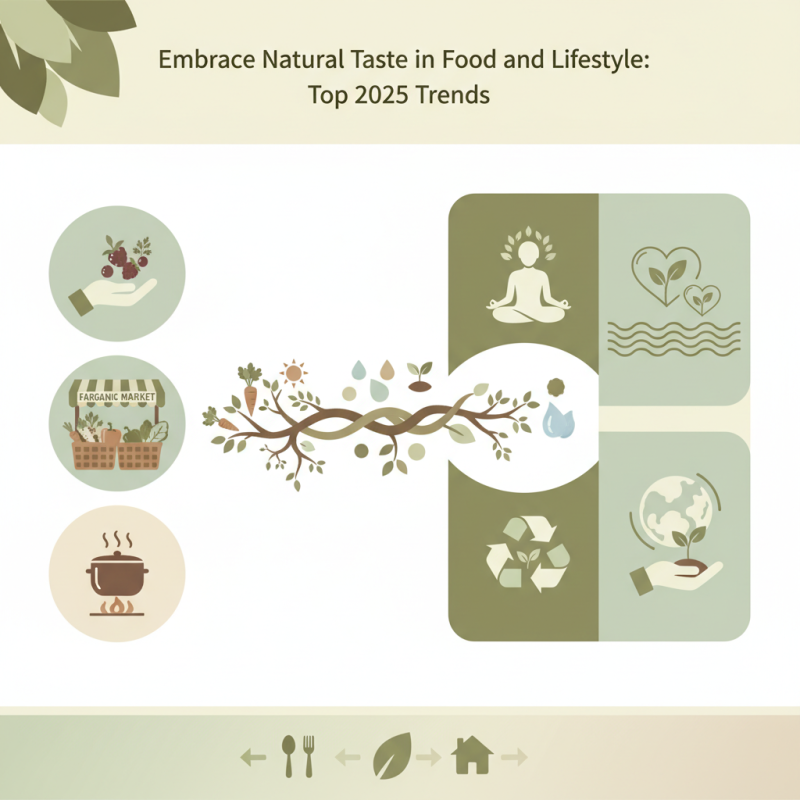
Natural Taste in Food: A Comprehensive Overview of Current Trends
As the food and lifestyle sectors continue to evolve, a significant trend is the increasing consumer preference for natural taste. According to a recent report by the Food Industry Association, about 70% of consumers are now looking for clean-label products that contain minimal processing and recognizable ingredients. This shift is driven by a growing awareness of health and sustainability, with many people prioritizing transparency in food origins and production methods. The demand for natural taste is not just limited to food, as consumers also gravitate towards lifestyle products that reflect their desire for authenticity and simplicity.
In the realm of food, natural flavors are taking center stage, with many chefs and home cooks opting for fresh, locally sourced ingredients to create dishes that highlight these authentic tastes. A survey conducted by the International Food Information Council revealed that over 60% of consumers are willing to pay more for products that are labeled as “natural” or “organic.” Additionally, the report emphasizes that plant-based diets are on the rise, with a 27% increase in plant-based food consumption reported in the past year alone. This indicates a strong trend towards not only healthier eating habits but also a desire for flavors that resonate with nature, free from artificial additives.
Discover the Top 2025 Trends: Embrace Natural Taste in Food and Lifestyle
| Trend |
Description |
Impact on Lifestyle |
Popular Natural Ingredients |
| Plant-Based Foods |
Increasing popularity of diets centered around plant-based meals, replacing animal products. |
Promoting healthier eating habits, reducing carbon footprint. |
Chickpeas, lentils, quinoa. |
| Sustainable Packaging |
Use of biodegradable and recyclable materials for food packaging. |
Encourages eco-friendly consumer choices. |
Plant-based plastics, recycled paper. |
| Functional Foods |
Foods that provide health benefits beyond basic nutrition, like probiotics and superfoods. |
Supports holistic health and wellness trends. |
Turmeric, chia seeds, kefir. |
| Minimalist Cooking |
Focus on simple recipes with fewer ingredients to enhance natural flavors. |
Promotes creative cooking and time-efficient meal prep. |
Fresh herbs, organic fruits and vegetables. |
| Farm-to-Table |
Direct sourcing of food from local farms to ensure freshness and sustainability. |
Strengthens community ties and supports local economies. |
Locally grown vegetables, grass-fed meats. |
Key Ingredients Influencing Natural Taste Preferences in 2025
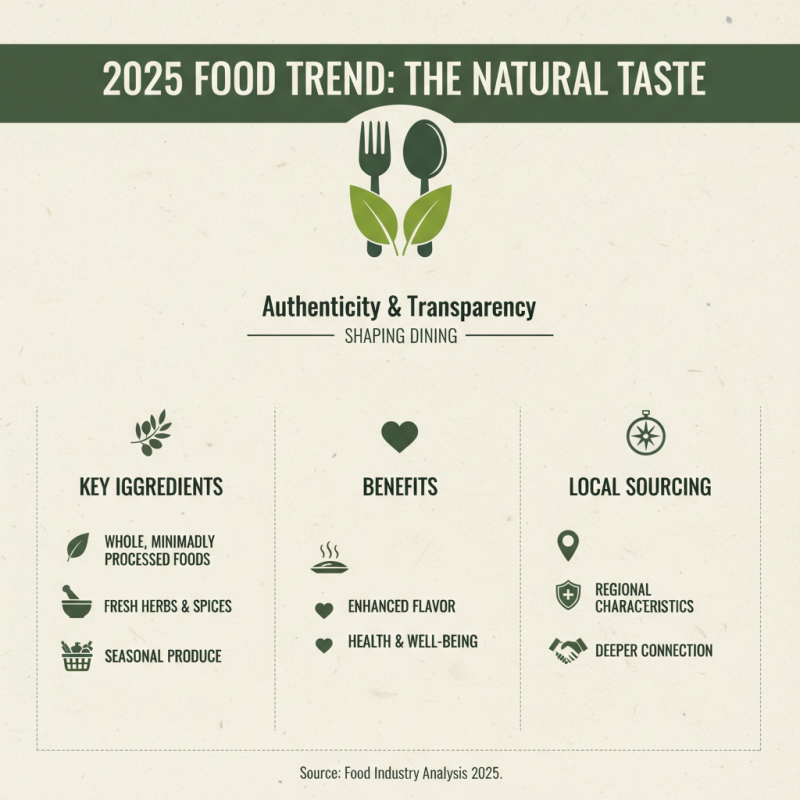
As consumers increasingly seek authenticity and transparency in their food choices, the preference for natural taste will significantly shape dining experiences in 2025. One of the key ingredients driving this trend is the rise of whole, minimally processed foods. Ingredients like fresh herbs, spices, and seasonal produce not only enhance flavor but also promote health and well-being. The emphasis on local sourcing allows for ingredients that reflect regional characteristics, fostering a deeper connection between diners and their food.
In addition to whole foods, fermentation will play a pivotal role in enhancing natural tastes. Fermented ingredients such as kimchi, kombucha, and artisan cheeses introduce complex flavors while offering gut health benefits. This process not only preserves food but elevates its taste profile, making it an appealing choice for those looking to explore diverse culinary traditions. Furthermore, as awareness of sustainability grows, consumers are likely to favor plant-based alternatives derived from ingredients like legumes and nuts, expanding the scope of natural flavor without compromising on taste or environmental impact.
Sustainable Practices: How Lifestyle Choices Enhance Natural Eating
As we navigate the landscape of food and lifestyle trends in 2025, the shift toward natural eating is heavily influenced by sustainable practices. Individuals are increasingly aware of the impact their choices have on the environment, prompting a significant lifestyle transformation. This awareness leads to a preference for organic, locally sourced ingredients that not only enhance the flavor of meals but also support ethical farming practices. By choosing foods that minimize chemical interventions, consumers contribute to healthier ecosystems and promote biodiversity.
Moreover, sustainable lifestyle choices extend beyond diet, fostering a holistic approach to well-being. Embracing natural tastes in food encourages mindful eating, where individuals become more attuned to the origin and quality of their meals. This mindfulness often translates into other areas of life, such as the use of eco-friendly products, reducing waste, and prioritizing experiences over material goods. As a result, the commitment to sustainability creates a ripple effect, influencing a community-wide embrace of healthier, more responsible living practices that honor both personal health and the planet.
Top 2025 Trends in Natural Taste and Sustainable Practices
The Role of Local Sourcing in Promoting Authentic Flavors
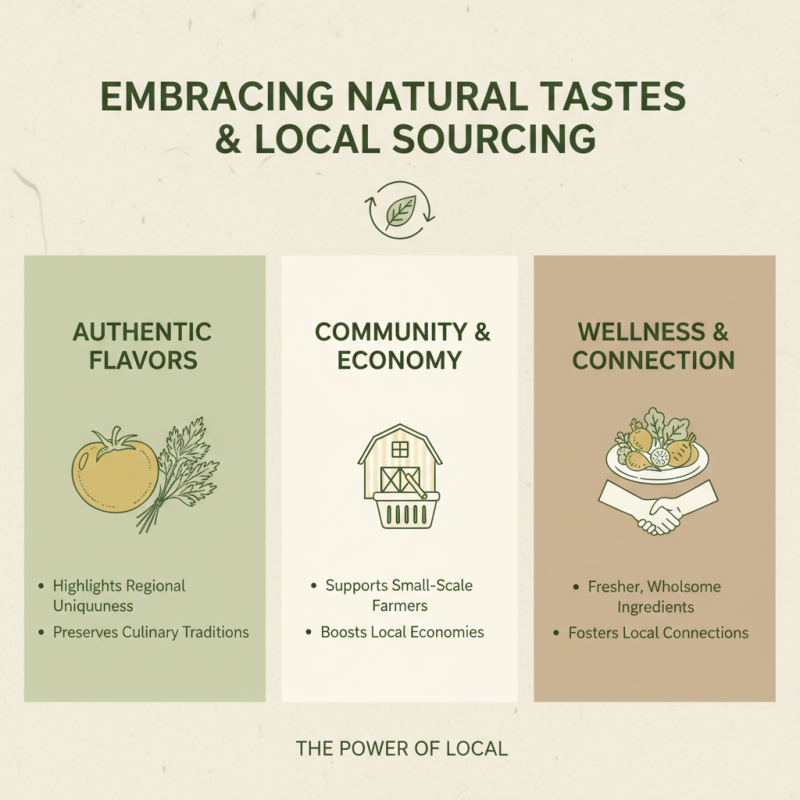
The increasing trend of embracing natural tastes in food and lifestyle is a testament to the growing acknowledgment of the importance of authenticity. One of the central elements in promoting these genuine flavors is local sourcing. By prioritizing ingredients that are grown or produced in the surrounding area, consumers and chefs alike can highlight the unique characteristics of their regions. This practice not only preserves local culinary traditions but also supports small-scale farmers and local economies, fostering a sense of community and connection.
Local sourcing allows for fresher ingredients, which can profoundly impact the flavor and quality of dishes. Seasonal produce and locally raised meats offer distinctive tastes that mass-produced alternatives often lack. Additionally, when consumers are aware of the origins of their food, they are more likely to appreciate its flavor profile and nutritional benefits. The relationship between the land and the people who cultivate it creates a narrative that enhances the dining experience, making meals not just about sustenance but also about celebrating local heritage and culture. Embracing local ingredients ultimately leads to a richer, more authentic culinary landscape that reflects the diversity of flavors found within a community.
Mindful Consumption: Balancing Health and Sustainability in Daily Life
In an age where health and sustainability are paramount,
mindful consumption has emerged as a guiding principle
for a balanced lifestyle. This concept encourages individuals to make intentional choices about
what they eat and the products they use, emphasizing the importance of natural ingredients and
minimal environmental impact. By prioritizing wholesome, organic foods and reducing reliance on
processed options, we can nourish our bodies while also being kind to the planet.
Tips for mindful consumption include reading labels carefully
to understand what you’re consuming. Look for products with minimal ingredients that you can recognize,
as this often signifies that they are free from harmful additives. Additionally, support
local farmers' markets where fresh produce is available, enabling you
to make seasonal choices that are not only healthier but also reduce the carbon footprint
associated with transporting goods.
Incorporating sustainability into your lifestyle also extends beyond food choices. Consider minimizing
waste by using reusable bags, containers, and water bottles.
This small shift can significantly reduce the amount of plastic waste generated daily. By adopting
these sustainable habits, you’re not just enhancing your own well-being, but also contributing to a
healthier planet for future generations.