Top 10 Flavouring Extracts to Enhance Your Products?
In the crowded marketplace of food and beverages, flavouring extracts play a crucial role. These extracts enhance taste and appeal in products, offering brands a competitive edge. According to industry reports, the global flavouring extracts market is projected to reach $3.4 billion by 2026. This growth is driven by consumer demand for natural ingredients and diverse flavors.
Many companies overlook the importance of quality when selecting flavouring extracts. A well-chosen extract can transform a product. However, not all extracts provide the same experience. Some may lack depth or authenticity. This inconsistency can lead to consumer dissatisfaction.
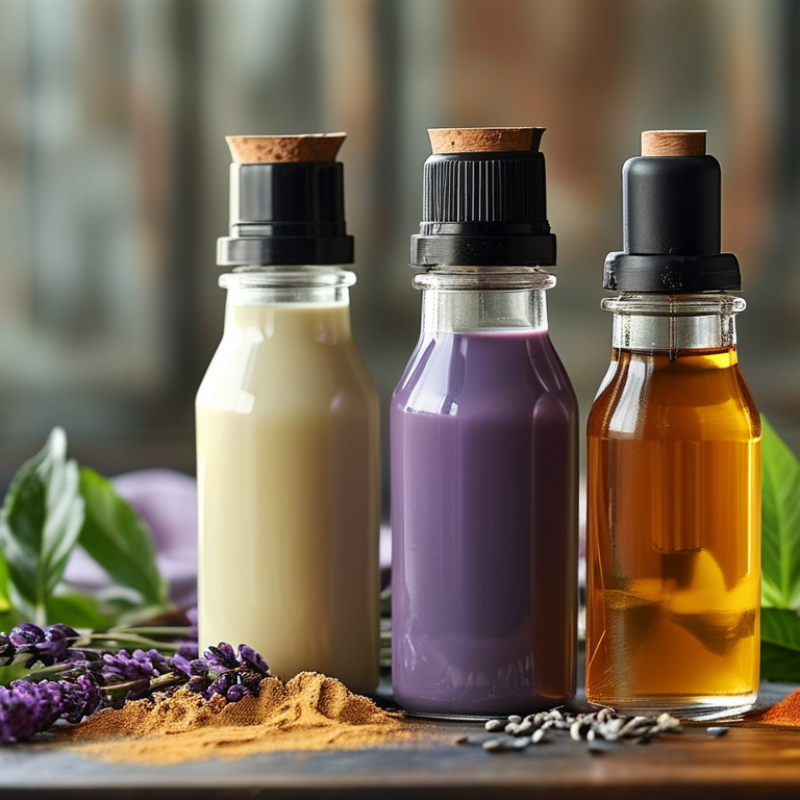
Exploring various flavouring extracts offers valuable insights. For example, vanilla extract remains a staple due to its versatility. Meanwhile, exotic flavors like matcha or lavender are gaining traction. Brands must adapt to these trends while ensuring the extracts align with their product's identity. Understanding the nuances of flavouring extracts can make a substantial difference in culinary innovation.
Top Flavoring Extracts for Culinary Applications
Flavoring extracts play a vital role in enhancing the taste of culinary creations. They can elevate both sweet and savory dishes, making them irresistible. Vanilla, one of the most popular extracts, brings warmth to desserts. Citrus extracts, like lemon or orange, provide a refreshing zing that brightens up recipes. These extracts are concentrated forms of flavor, allowing for better control over the taste profile.
When using flavoring extracts, start with small amounts. It is easier to add more than to correct an overpowering flavor. Experimenting with combinations can yield delightful results. For example, pairing almond extract with raspberry can create a nuanced flavor profile. Additionally, consider the extract's quality; pure extracts often outperform synthetic options in terms of taste.
Be mindful of the intended use. Certain extracts, like peppermint, can be potent in baked goods. But in dressings, a hint can subtly enhance the flavor. Always taste as you go. The journey of flavor enhancement often involves adjustments. It's important to keep track of what works best for your products. Embrace the learning curve, as refining flavors takes practice and patience.
Top 10 Flavouring Extracts to Enhance Your Products
| Extract |
Flavor Profile |
Best Uses |
Concentration |
| Vanilla Extract |
Sweet, Creamy |
Baking, Ice Creams |
1-2% |
| Almond Extract |
Nutty, Sweet |
Cookies, Cakes |
0.5-1% |
| Lemon Extract |
Citrusy, Tart |
Dressings, Desserts |
0.5-1% |
| Mint Extract |
Cool, Fresh |
Beverages, Chocolates |
0.5-2% |
| Hazelnut Extract |
Nutty, Rich |
Coffee, Pastries |
1-3% |
| Coffee Extract |
Rich, Earthy |
Cakes, Ice Creams |
1-5% |
| Coconut Extract |
Sweet, Tropical |
Baking, Smoothies |
1-2% |
| Pumpkin Spice Extract |
Warm, Spicy |
Baking, Beverages |
1-3% |
| Orange Extract |
Bright, Citrusy |
Cakes, Glazes |
0.5-1% |
| Peanut Extract |
Nutty, Savory |
Marinades, Desserts |
1-2% |
The Role of Flavoring Extracts in Food and Beverage Products
Flavoring extracts hold significant importance in the world of food and beverage. They not only enhance the taste but also create memorable experiences for consumers. Using the right extracts can elevate a simple dish into a culinary masterpiece. The right balance of flavor can make a product stand out in a saturated market.
Consider utilizing natural extracts over synthetic options. Natural flavors often resonate better with health-conscious consumers. They carry less risk of negative reactions and provide a genuine taste. However, sourcing high-quality extracts can be challenging. It’s essential to know your suppliers and their practices.
When experimenting with flavoring extracts, think about your target audience. Different demographics can have varying preferences. Conducting taste tests can provide insights into what resonates. Also, remember that less is often more. Using overwhelming flavors can detract from the overall product quality. Always aim for harmony between flavors.
How to Choose the Right Flavoring Extract for Your Product
Choosing the right flavoring extract can significantly impact your product's success. Experts suggest that flavor profile matching with target demographics is crucial. According to a report by Grand View Research, the global flavoring agents market size was valued at over $15 billion in 2022. This indicates a growing demand for enhanced taste experiences across various sectors, such as food and beverages.
Understanding the application is essential. Different extracts are suitable for specific products. For instance, vanilla extract can elevate baked goods, while citrus extracts add freshness to beverages. A study from Flavor and Fragrance Journal highlights the importance of sensory analysis. It reveals that consumers often choose products based solely on scent and flavor perception. It's important to note that not all extracts are compatible with every formulation. Some may alter a product's stability or quality.
Evaluating the source and quality of extracts is vital. Natural extracts often cost more but yield superior flavor profiles. However, consistency can be an issue due to variations in raw materials. You should also consider the regulatory landscape around flavoring agents. Some regions have strict guidelines that may limit certain extracts, impacting your formulation choices. Balancing quality, cost, and compliance requires careful consideration.
Top 10 Flavouring Extracts to Enhance Your Products
Tips for Using Flavoring Extracts Effectively in Recipes
Flavoring extracts can elevate your culinary creations in unique ways. When using extracts, start with small amounts. A few drops can make a big difference in flavor intensity. Always remember that flavors deepen over time, so it's wise to taste as you go. Extracts like vanilla or almond can easily overpower your dish if used excessively.
Balancing flavors is key. Consider the primary ingredients of your recipe. If you are baking a chocolate cake, a hint of espresso extract can enhance the chocolate richness. Conversely, using too much mint extract can lead to overwhelming freshness, overshadowing other tastes. Experimentation is encouraged; however, document your measurements to recreate your successful dishes.
Pay attention to the types of extracts you choose. Natural extracts offer complex flavors, but they can be costly. Synthetic options are often more affordable and provide consistent results, albeit with less depth. Don’t hesitate to switch between them based on your budget and desired flavor profile. Reflection on your results is essential. Each cooking attempt improves your understanding of how extracts affect overall taste.
Innovative Trends in Flavoring Extracts for 2023 and Beyond
The flavoring extract market is evolving rapidly in 2023. As consumers seek unique taste experiences, companies must innovate. Research shows the global flavoring extract market will reach $1.2 billion by 2025. This growth indicates a rising demand for natural and organic ingredients.
Sustainability is a key focus in flavor innovation. Many brands now prioritize environmentally friendly sourcing. This shift responds to consumers who prefer to avoid artificial additives. A recent survey indicated that 72% of consumers are willing to pay more for natural flavors. This trend challenges manufacturers to find cost-effective ways to incorporate natural extracts into their products.
Incorporating exotic flavors is another rising trend. Spices from lesser-known regions are gaining popularity. For instance, ingredients like yuzu and pandan are emerging in various markets. These unique choices not only enhance taste but also add a story to the product. Brands must invest in research to ensure quality and authenticity, as consumer trust remains essential. The industry is navigating a delicate balance between tradition and innovation, requiring continuous reflection and adaptation.