
Global buyers increasingly seek foods without natural flavors for simpler formulations, clearer labeling, and more predictable procurement. Yet this category is less straightforward than it appears. A product may contain no added flavoring, while its taste comes from roasting, fermentation, spices, or processing. The label alone may not explain every detail.
This guide introduces ten food categories worth evaluating, including plain grains, dried legumes, frozen vegetables, edible oils, nuts, seeds, and selected fruit products. Each category offers practical sourcing potential. However, suitability depends on the final specification. Buyers should review ingredient statements, allergen controls, processing aids, country-of-origin details, shelf life, and storage conditions. Small differences matter. A plain oat product may suit one market, but not another buyer seeking zero seasoning or no flavor-modifying ingredients.
Reliable purchasing requires more than a short ingredient list. Request current product specifications, laboratory results when relevant, certificates, packaging information, and samples from approved suppliers. Compare the sample’s aroma, texture, moisture, and aftertaste under realistic conditions. Natural variation can affect consistency. That is easy to overlook.
This overview also recognizes an important limitation: “without natural flavors” is not always interpreted identically worldwide. Regulatory definitions, translation practices, and customer expectations may differ. Buyers should confirm claims with qualified local experts before making commercial decisions. The strongest suppliers welcome these questions. They provide traceable documentation instead of vague assurances. This guide is practical, but not perfect. Product verification remains essential.
For global buyers, “natural flavors” does not mean a food is unprocessed. Under U.S. FDA regulation 21 CFR 101.22, the term can include essential oils, extracts, distillates, and fermentation products. Their main purpose must be flavoring. European Regulation (EC) No. 1334/2008 applies stricter source requirements for “natural flavoring.” The same phrase may therefore carry different meanings across markets.
Ten simple foods usually contain no added natural flavors:
Check the ingredient panel carefully. Plain frozen peas may show only “peas,” while seasoned peas may include extracts or flavoring preparations. Packaging can change the answer.
The 2024 IFIC Food & Health Survey questioned 3,000 U.S. adults about food choices and processing perceptions. Its findings show why clear ingredient communication matters, even when consumers interpret labels differently. Buyers should request specifications, allergen statements, flavor declarations, and laboratory or supplier documentation.
“Natural” sounds reassuring, but it is not automatically healthier. That shortcut is imperfect. Country-specific review remains essential.
Top 10 Foods Without Natural Flavors for Global Buyers?
How Foods Without Natural Flavors Are Identified
Foods without natural flavors are identified through the ingredient statement, not the front label. Common candidates include oats, plain rice, dried beans, canned vegetables, frozen vegetables, unsalted nuts, plain yogurt, fresh bread, pasta, and single-ingredient fruit products. However, none is automatically flavor-free. A plain-looking soup may contain “natural flavor,” while flavored yogurt may list “natural flavoring” near the end.
In the United States, buyers should check for “natural flavor,” “natural flavors,” or related flavoring terms under FDA regulation 21 CFR 101.22. In the European Union, Regulation (EC) No 1334/2008 uses terms such as “natural flavouring.” Translation matters. So does the local rule. Composite ingredients can hide flavor declarations inside sauces, fillings, or seasoning blends. Labels can disappoint.
A practical review starts with the full ingredient list, allergen statement, and supplier specification. Ask for a current formulation sheet, flavor declaration, and change-control notice. Then compare the package with laboratory or purchasing records. The 2024 IFIC Food & Health Survey reported that healthfulness is a major food-choice factor for 62% of surveyed Americans, increasing pressure for clearer labels. Still, “no natural flavors” does not mean minimally processed or healthier. That assumption needs questioning. A product may use sugar, acids, or concentrated ingredients to create stronger taste. Different countries also interpret “natural” differently, so global buyers should verify every market separately.
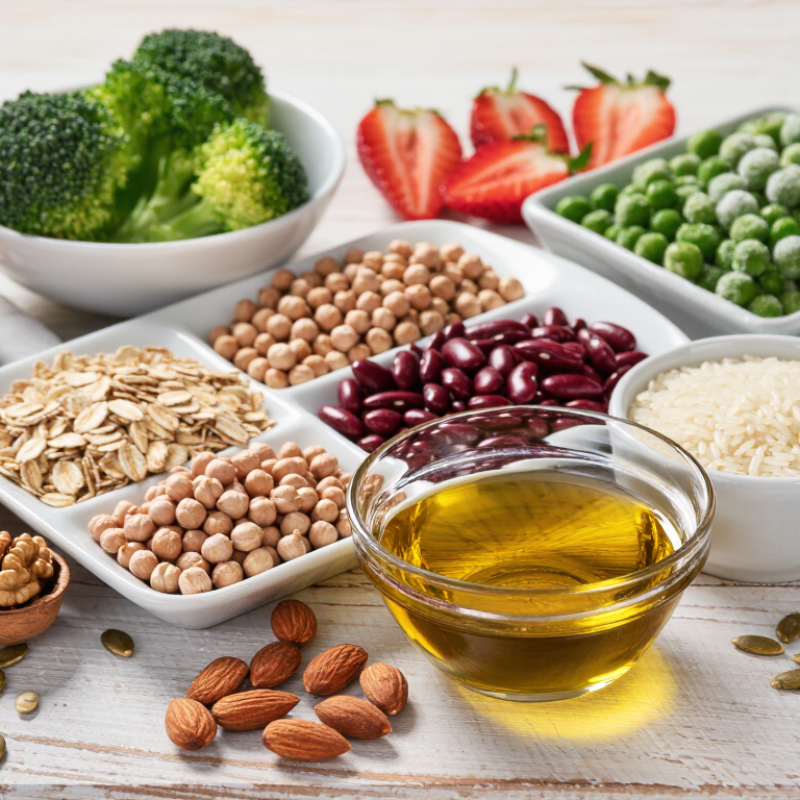
The products below are commonly sold without added natural flavors when purchased in their plain, unseasoned form. Formulations vary by supplier and country, so buyers should always confirm the current ingredient declaration and specification before approval.
| No. | Food Category | Typical Ingredient Declaration | Natural-Flavor Status | How Buyers Identify It | Global Purchasing Considerations |
|---|---|---|---|---|---|
| 1 | Plain rolled oats | 100% rolled oats | Usually absent | Check that the ingredient list contains only oats and does not include “natural flavor,” “flavouring,” “aroma,” vanilla flavor, or flavoring preparations. | Plain oats are generally single-ingredient foods. Flavored instant oat products may contain added flavorings, sweeteners, fruit preparations, or spices. |
| 2 | White or brown rice | 100% rice | Usually absent | Verify the product is plain rice rather than seasoned, smoked, pilaf-style, or ready-to-eat rice with a sauce or seasoning blend. | Rice may be sold without a mandatory ingredient list in some jurisdictions when it is a single raw agricultural commodity; product documentation should still confirm identity and additives. |
| 3 | Dried lentils | 100% lentils | Usually absent | Review the label and supplier specification for added seasoning, smoke flavor, hydrolyzed ingredients, or flavoring substances. | Plain dried pulses are typically minimally processed. Instant lentil meals and canned seasoned products require a separate ingredient review. |
| 4 | Dried chickpeas | 100% chickpeas | Usually absent | Confirm that the product is unseasoned and that the specification lists no added flavoring, spice extract used as flavoring, or prepared seasoning. | Packaging terminology differs by market; compare the ingredient list with the technical specification and allergen statement. |
| 5 | Frozen plain vegetables | One vegetable, such as peas, corn, broccoli, or spinach | Usually absent | Select products labeled plain, unseasoned, or single-ingredient, and exclude versions containing sauces, butter flavor, seasoning, or flavoring. | Processing may include washing, blanching, and freezing without flavor addition. Confirm whether salt or other processing aids are present. |
| 6 | Unsalted almonds or other plain nuts | 100% almonds, peanuts, cashews, or other specified nut | Usually absent | Check for a plain, unsalted declaration and ensure there is no “natural flavor,” smoke flavor, vanilla, barbecue seasoning, or coating. | Roasted nuts may still be flavor-free, but the roasting process and any added oil or salt should be confirmed separately. Allergen controls are essential. |
| 7 | Fresh whole eggs | Eggs, where an ingredient list is required | Usually absent | Confirm that the item is a plain shell egg rather than a liquid egg product containing seasonings, stabilizers, or flavoring ingredients. | Labeling rules for shell eggs differ internationally. Buyers should verify production method, storage requirements, grading, and allergen declarations. |
| 8 | Plain unsweetened yogurt | Milk and live cultures; some products may also contain milk solids | Often absent | Choose plain and unsweetened yogurt, then check for the absence of natural flavor, fruit flavor, vanilla, sweeteners, and flavored preparations. | Definitions for yogurt and permitted cultures vary by market. Confirm whether stabilizers, milk powders, or acidity regulators are used. |
| 9 | Extra-virgin olive oil | 100% olive oil | Usually absent | Review the product specification and label for a single oil ingredient; exclude infused oils containing herbs, citrus, smoke, or flavoring preparations. | Quality grading and authenticity requirements vary. “Natural flavor” is not normally needed in plain olive oil, but infused or flavored oils must be assessed separately. |
| 10 | Plain wheat flour | 100% wheat flour; enriched versions may list added vitamins and minerals | Usually absent | Check whether the flour is plain rather than cake mix, baking mix, seasoned flour, or a prepared blend containing flavoring ingredients. | Some markets permit or require enrichment. Review the full ingredient list, treatment agents, allergen declaration, and wheat classification before import. |
For global buyers, “made without natural flavors” requires more than a clean-looking package. Formulas, supplier statements, and processing records should agree. In procurement reviews, the simplest foods are often easier to verify. Ten practical categories include whole grains, plain nuts, seeds, dried legumes, fresh produce, frozen vegetables, plain dairy, eggs, cooking oils, and basic baking ingredients. Choose oats, rice, lentils, carrots, or unsalted sunflower seeds with short ingredient lists. Check every coating and seasoning.
Some categories need closer attention. Plain yogurt may be suitable, while fruit yogurt can contain flavoring. Frozen vegetables may be unseasoned, but seasoned blends require review. Basic flour, sugar, starch, and edible oils usually have simple formulations, yet processing aids can differ by market. Meat, poultry, and seafood are not automatically included because marinades and brines may add natural flavors. This is not always simple. Ask suppliers for current specifications, allergen declarations, flavor statements, and batch-level traceability. Compare these documents with the label and import requirements of each destination. A natural flavor-free claim may be acceptable in one market but need different wording elsewhere. Buyers should also inspect storage conditions, especially for nuts, oils, dairy, and frozen produce. Small paperwork gaps can create large problems. The honest approach is careful verification, not a broad promise based on appearance.
Top 10 Foods Without Natural Flavors for Global Buyers?
Plain oats, white rice, rice cakes, roasted nuts, dried fruit, canned beans, plain popcorn, natural yogurt, simple pasta, and frozen vegetables may contain no added natural flavors. However, buyers should not trust product names alone. “Plain” can still hide flavoring, extracts, or seasoning blends.
Read the full ingredient statement and request the latest product specification. Check whether “natural flavor,” “flavoring,” or spice-based additives appear. The supplier should explain every technical term. Ask for batch traceability, manufacturing flow, shelf-life data, and a certificate of analysis. A clean label is not enough evidence.
Certification must match the target market and factory scope. Review organic, gluten-free, non-GMO, halal, kosher, or food-safety certificates carefully. Confirm issue dates, audit bodies, product coverage, and certificate validity. A certificate for one site may not cover another facility. This mistake is common.
Allergen control needs sharper attention. Check wheat, milk, soy, peanuts, tree nuts, sesame, and possible cross-contact. Request allergen statements, cleaning validation, and shared-line details. “May contain” wording should reflect a documented risk assessment, not guesswork. Packaging translations also deserve review. One missing allergen term can create serious delays.
Some assumptions remain imperfect. Natural flavor-free status can change after reformulation. Therefore, approve samples and retain signed specifications. Verify again before every major shipment.
Ingredient, certification, and allergen checks for plain, single-ingredient food products
These examples are naturally flavor-free when purchased as plain, single-ingredient foods and contain no added natural flavors in the basic formulation. The chart shows the number of U.S. major allergens that buyers should verify in the named ingredient itself. Supplier specifications, cross-contact controls, allergen declarations, organic or non-GMO documentation where relevant, and country-specific labeling rules should still be checked before purchase.
Allergen reference: the U.S. Food and Drug Administration recognizes milk, egg, fish, crustacean shellfish, tree nuts, peanuts, wheat, soybeans, and sesame as major food allergens.
Plain oats, rice, lentils, chickpeas, dried beans, quinoa, popcorn kernels, almonds, frozen peas, and potatoes usually contain no natural flavors. However, “plain” is not enough. Seasoning, coating, or processing may introduce hidden flavor ingredients. Buyers should request a complete ingredient statement for every product code. Small wording differences can matter.
Supplier evaluation should begin with a clear product specification. Define acceptable ingredients, allergen controls, country of origin, moisture limits, and packaging requirements. Review the supplier’s traceability system from farm or processor to shipment. Ask for recent certificates of analysis, batch records, and laboratory testing. Independent testing can verify flavor-related claims when risk is high. Audit reports also reveal sanitation gaps that documents may miss.
Look closely at contract manufacturers. Their facilities may handle flavored products on shared equipment. Cleaning validation, line clearance, and changeover records deserve careful review. Confirm that labels match the destination market’s requirements. Import rules differ across regions, and translations can create errors. Sampling before purchase is essential. One sample may still be misleading. A stronger process checks several lots, packaging units, and production dates. Supplier scorecards should measure quality consistency, response speed, corrective actions, and delivery performance. Price matters, but a cheaper shipment can become expensive after relabeling, delays, or rejected goods.