Top 10 Natural Flavors Ingredients You Should Know About?
In today's world, the quest for flavorful food is often clouded by artificial additives. Many people seek a more genuine taste experience. This is where natural flavors ingredients come into play. Understanding these ingredients can enhance your culinary adventures. They offer depth and richness that processed flavors simply cannot match.
Natural flavors ingredients are derived from real sources. These can be fruits, herbs, spices, and even flowers. Each ingredient carries its unique essence, contributing to the overall flavor profile. For example, vanilla extracted from orchids brings warmth, while citrus zest adds brightness. Yet, navigating the world of natural flavors isn't without challenges.
Not all "natural" labels are created equal. Some may still involve processes that alter the original essence. This raises questions about authenticity. Consumers must stay informed about the ingredients they consume. By exploring the top natural flavors ingredients, you can make better choices. Let’s delve into the vibrant possibilities that await in your kitchen.

Introduction to Natural Flavors and Their Importance in Food
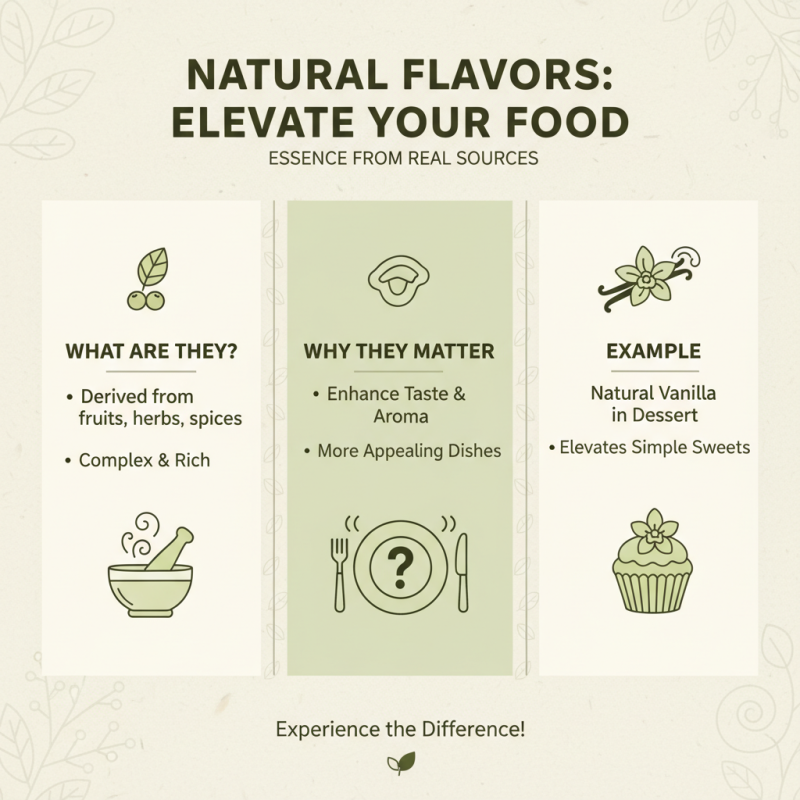
Natural flavors play a crucial role in enhancing the overall taste of food. They are derived from natural sources such as fruits, herbs, and spices. This means they are often more complex and richer than synthetic alternatives. Each ingredient carries the essence of its source, making dishes more appealing. For instance, a hint of natural vanilla can elevate a simple dessert.
Understanding natural flavors is vital for both consumers and chefs. They add depth to culinary creations without the use of artificial additives. However, not all natural flavors are created equal. Some may come from questionable processes. It’s essential to be aware of how these flavors are extracted and processed. Transparency in sourcing can enhance trust and enjoyment in food experiences.
While natural flavors can enhance health-conscious eating, they are not a cure-all. Many dishes still rely on sugars and fats. There’s a balance that needs to be struck. The awareness of how flavors influence our cravings should make us reflect on our dietary choices. Natural flavors can be a gentle guide towards healthier eating, but moderation is always key.
Common Sources of Natural Flavor Ingredients Found in Nature
Natural flavors are derived from a variety of sources found in nature. They can be extracted from fruits, vegetables, and herbs. For instance, citrus peels provide essential oils that enhance the taste of many foods. Vanilla beans offer a complex flavor profile, widely cherished in desserts.
Herbs like basil and cilantro bring freshness to dishes. They are often used in cooking for their distinctive tastes. Spices such as cinnamon and nutmeg can evoke warmth and sweetness, transforming ordinary meals into extraordinary experiences. Raw ginger adds a spicy, zesty kick, while rosemary imparts a pine-like aroma that elevates savory dishes.
Nature offers a treasure trove of flavors. Yet, some ingredients are underappreciated. The earthy notes of mushrooms are often overlooked in favor of more popular options. Similarly, the subtle sweetness of honey is sometimes replaced by artificial syrup. These choices can diminish the depth of flavor in our meals. It’s crucial to explore various sources to truly appreciate natural flavorings.
Top 10 Natural Flavors Ingredients You Should Know About
| Ingredient |
Common Source |
Flavor Profile |
Uses |
| Vanillin |
Vanilla Beans |
Sweet, Creamy |
Baking, Candies |
| Limonene |
Citrus Fruits |
Citrusy, Zesty |
Sodas, Desserts |
| Menthol |
Peppermint |
Minty, Cool |
Confectionery, Beverages |
| Cinnamaldehyde |
Cinnamon Bark |
Spicy, Warm |
Baking, Beverages |
| Ethyl Butyrate |
Fruits (e.g., Pineapple) |
Fruity, Sweet |
Ice Creams, Drinks |
| Isoamyl Acetate |
Bananas |
Banana-like, Fruity |
Confectionery, Beverages |
| Thymol |
Thyme |
Herbaceous, Spicy |
Seasonings, Sauces |
| Almond Oil |
Almonds |
Nuts, Nutty |
Baking, Culinary Use |
| Cocoa Powder |
Cocoa Beans |
Chocolatey, Rich |
Baking, Beverages |
| Savory Flavor Compounds |
Various Vegetables |
Umami, Savory |
Soups, Sauces |
Health Benefits of Using Natural Flavors Over Artificial Ones
Natural flavors have gained popularity in recent years, especially in food and beverage industries. Compared to artificial flavors, natural options come with numerous health benefits. For instance, a study published in the *Journal of Food Science* highlights that natural flavors often contain beneficial compounds. These compounds may support health by providing antioxidants and reducing inflammation.
Choosing natural flavors may lead to lower risks of certain health issues. According to the Food and Drug Administration (FDA), naturally sourced flavoring substances are often perceived as safer alternatives. Consumers are becoming increasingly conscious of their choices. A Nielsen report reveals that 60% of shoppers prefer products with natural ingredients. This shift indicates a significant change in consumer behavior.
However, not all natural flavors are created equal. Some may still undergo extensive processing. The complexity of sourcing can lead to inconsistencies in flavor profiles. Moreover, the term "natural" can sometimes be misleading. The industry still lacks strict regulations, which can cause confusion for consumers. It's essential to read labels and understand what you're consuming. This awareness will help everyone make informed choices in their diets.
Top 10 Natural Flavor Ingredients and Their Health Benefits
This bar chart illustrates the health benefits of various natural flavor ingredients on a scale of 1 to 10. Natural flavors not only enhance the taste of food but also offer numerous health advantages compared to artificial flavors.
Popular Natural Flavor Ingredients and Their Unique Characteristics
Natural flavors play a significant role in enhancing the taste of food and beverages. These ingredients come from various sources and offer unique characteristics. For instance, vanilla extract brings warmth and sweetness. It’s often used to enrich desserts and baked goods. Citrus extracts, like lemon and orange, add a refreshing zest. These flavors can brighten up both sweet and savory dishes.
Herbs and spices also fall under the natural flavor category. Basil, rosemary, and thyme provide aromatic notes that can elevate a simple dish. The earthy essence of rosemary, for instance, pairs beautifully with roasted meats. Another popular ingredient is ginger. It imparts a spicy warmth and a hint of sweetness, commonly used in both cooking and beverages.
It’s essential to explore these flavors thoughtfully. Some people may find certain combinations overwhelming. Striking the right balance is key. Natural flavors are not always straightforward; each ingredient carries its own story and impact. Experimentation can lead to delightful discoveries, yet it also poses challenges. Understanding how flavors interact is an ongoing journey for many cooks and food enthusiasts.
Tips for Identifying High-Quality Natural Flavor Products
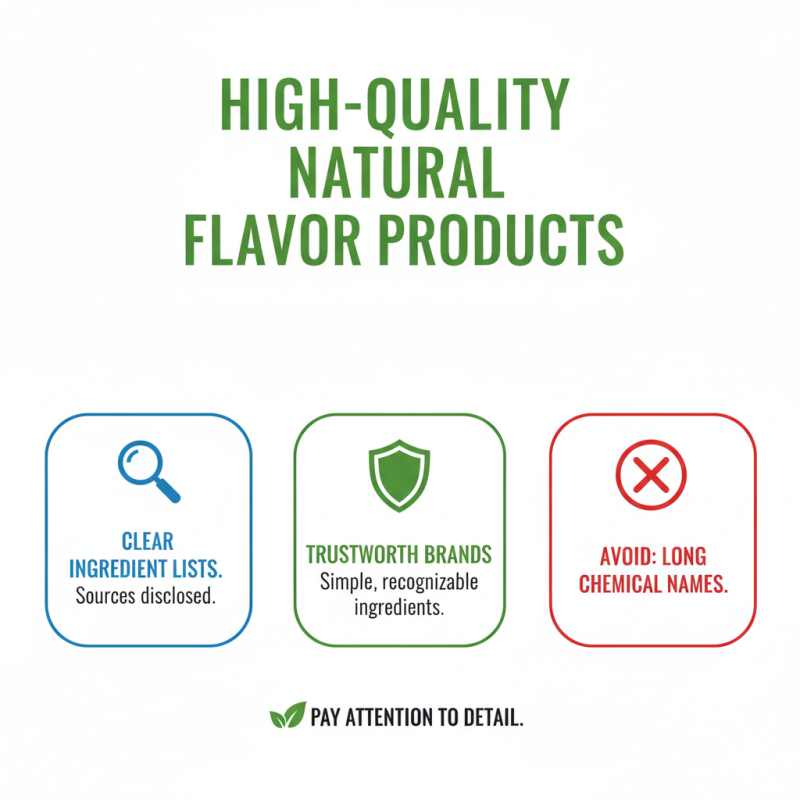
When it comes to identifying high-quality natural flavor products, attention to detail matters. Look for products with clear ingredient lists. Trustworthy brands often disclose the sources of their flavors. Ingredients should be recognizable and simple. If you see long chemical names, it's a red flag.
Smell and taste can be telling indicators. Natural flavors should be vibrant and fresh. Sometimes, flavors can be muted or flat, which may indicate lower quality. Pay attention to your senses. A good flicker of excitement in your palate can be a positive sign.
Packaging can also inform your choices. Boxes or containers should have minimal processing information and no artificial additives. Be wary of overly elaborate claims. Sometimes, less is more. Quality often lies in the simplicity of ingredients. Stay critical and knowledgeable as you explore the world of natural flavors.