How to Use Freeze Dried Fruits in Your Everyday Cooking?
Freeze Dried Fruits are gaining popularity in the culinary world. These vibrant ingredients bring a unique flavor and texture to everyday dishes. They offer the convenience of extended shelf life, making cooking simpler and more efficient. In busy kitchens, having a stash of Freeze Dried Fruits can inspire creativity.
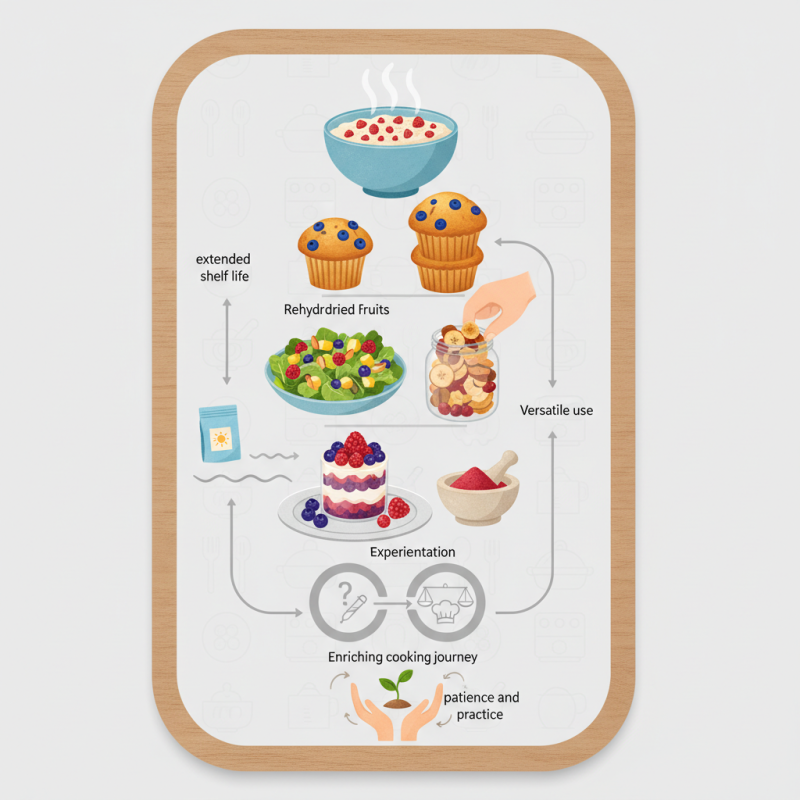
Imagine adding freeze-dried strawberries to your morning oatmeal. Their concentrated sweetness enhances the dish. Or consider using freeze-dried blueberries in muffins. The little bursts of flavor can elevate a simple recipe. These fruits are lightweight and versatile. They can transform salads, snacks, and desserts.
Yet, using them is not always straightforward. Sometimes, rehydrating them properly can be tricky. A little experimentation is needed to perfect their use in different recipes. It's important to balance their intensity with other ingredients. Embracing Freeze Dried Fruits can enrich your cooking journey, but it also requires patience and practice.
Benefits of Incorporating Freeze Dried Fruits in Cooking
Freeze dried fruits are convenient and versatile ingredients for everyday cooking. They maintain most of their nutrients, making them healthy choices. Their lightweight nature makes storage easy, perfect for small kitchens. You can sprinkle them into cereals, salads, or yogurt for added flavor and texture. Imagine biting into crunchy strawberry bits in your morning oatmeal. It’s a delightful surprise!
Using freeze dried fruits also brings unique challenges. Sometimes, achieving the right balance can be tricky. Adding too many can overpower a dish. Finding the correct rehydration method is essential. Water, juice, or even milk can work, but the timing varies. You might end up with overly soggy fruits or ones that remain hard. This requires experimentation and patience.
Their vibrant colors and flavors brighten up meals. They work well in desserts, smoothies, or even savory dishes. However, they can be pricier than fresh options. Be mindful of your budget. You might find yourself using them too often. Variety is crucial in keeping meals exciting. Embrace these fruits, but also remember to enjoy fresh produce regularly.
How to Use Freeze Dried Fruits in Your Everyday Cooking?
| Fruit Type | Nutritional Benefits | Cooking Uses | Rehydration Tips |
| Strawberries | High in Vitamin C and antioxidants | Smoothies, desserts, oatmeal | Soak in warm water for 5-10 minutes |
| Bananas | Rich in potassium and vitamin B6 | Baking, cereals, snacks | Rehydrate in milk or water before use |
| Apples | Fiber-rich, great for digestion | Salads, baking, sauces | Let soak in water for 10-15 minutes |
| Mangoes | High in Vitamin A and C | Salsas, smoothies, desserts | Soak in juice or water for enhanced flavor |
| Blueberries | Loaded with antioxidants and vitamins | Baking, pancakes, yogurt | Soak in warm water for 5-10 minutes |
Choosing the Right Freeze Dried Fruits for Different Dishes
Choosing the right freeze-dried fruits can elevate everyday dishes. These fruits retain nutrients and flavor. They offer versatility in cooking. According to the USDA, freeze-drying preserves around 90% of vitamins. This process also prevents spoilage, making them great for long-term storage.
When selecting freeze-dried fruits, consider their texture and sweetness. Strawberries are great for smoothies, while blueberries add depth to baked goods. Experts note that berries contain high levels of antioxidants. Apples can enhance salads but might lose crispness when rehydrated. Remember, not all fruits work well in every dish.
Experiment with different combinations. A sprinkle of freeze-dried raspberries on yogurt is delightful. But overdoing it might mask other flavors. Taste is subjective. Some prefer intense sweetness; others enjoy tartness. It’s vital to adjust to personal preferences. Before committing, try small amounts. This can help avoid disappointment in your final dish.
Rehydrating Freeze Dried Fruits: Techniques and Tips
Rehydrating freeze dried fruits can be a simple yet rewarding process. Begin with choosing the right fruits. Strawberries, blueberries, and apples work well. Rinse the dried fruits briefly under cold water. This step helps to remove excess dust. Next, soak the fruits in warm water for about 15 to 20 minutes. Ensure the water covers them completely. You will see them puff up, regaining some firmness.
Experiment with different soaking liquids. Fruit juice or herbal tea can add unique flavors. After soaking, drain the excess liquid. The fruits are now ready for recipes. Incorporate them into smoothies, oatmeal, or yogurt. They can also enhance the taste of salads and baked goods. Watch how they blend with other ingredients, adding color and texture.
Sometimes, rehydrating doesn’t go as planned. Fruits might still seem too dry. In such cases, try extending the soaking time. Alternatively, consider blending them into a paste. This method can be useful for desserts or sauces. Allow yourself to be creative and patient with textures. Embrace the learning curve. Each attempt teaches you what works best in your cooking journey.
Creative Ways to Add Freeze Dried Fruits to Recipes
Freeze dried fruits are versatile. They can elevate your dishes and add unique flavors. Use them in smoothies for an instant flavor boost. Simply blend your favorite freeze dried fruit with yogurt and milk. This creates a nutritious treat that's both refreshing and colorful.
Baking is another area where freeze dried fruits shine. Add them to pancakes or muffins for a fruity surprise. They can also enhance granola bars with a crunchy texture. Just mix them in before baking. But be mindful of the moisture levels in your recipes. Overuse can lead to unwanted results.
Tips: Experiment with different fruits in your salads. They add color and a chewy texture. If you enjoy savory dishes, try incorporating freeze dried fruits into sauces. They can bring a sweet balance to spicy meals. Remember to adjust your seasoning as needed. These little changes can make a big difference.
Usage of Freeze Dried Fruits in Everyday Cooking
This chart illustrates the various ways freeze dried fruits are utilized in everyday cooking, showing the percentage frequency of their use in different recipes. It demonstrates that smoothies are the most popular choice, followed by baking and snacks.
Storing and Preserving Freeze Dried Fruits for Long-Term Use
Storing freeze-dried fruits properly is essential for preserving their taste and nutrients. Use airtight containers to keep moisture at bay. Look for vacuum-sealed bags, as they work wonders. Place the containers in a cool, dark space. Avoid areas with temperature fluctuations. A pantry or cupboard is perfect.
Regular checks for signs of spoilage are important. If they lose flavor or become tough, it's time to rethink storage. Do not leave them exposed to air. Once opened, use them quickly for best results. Add them to smoothies, oatmeal, or yogurt for a nutrient boost.
Experimenting with different recipes is also a great idea. You might find some surprises. It’s always a learning curve. Sometimes, the results may not match expectations. But that’s part of the fun, right? Getting creative helps keep cooking exciting!