How to Use Organic Flavor Extracts in Your Cooking and Baking?
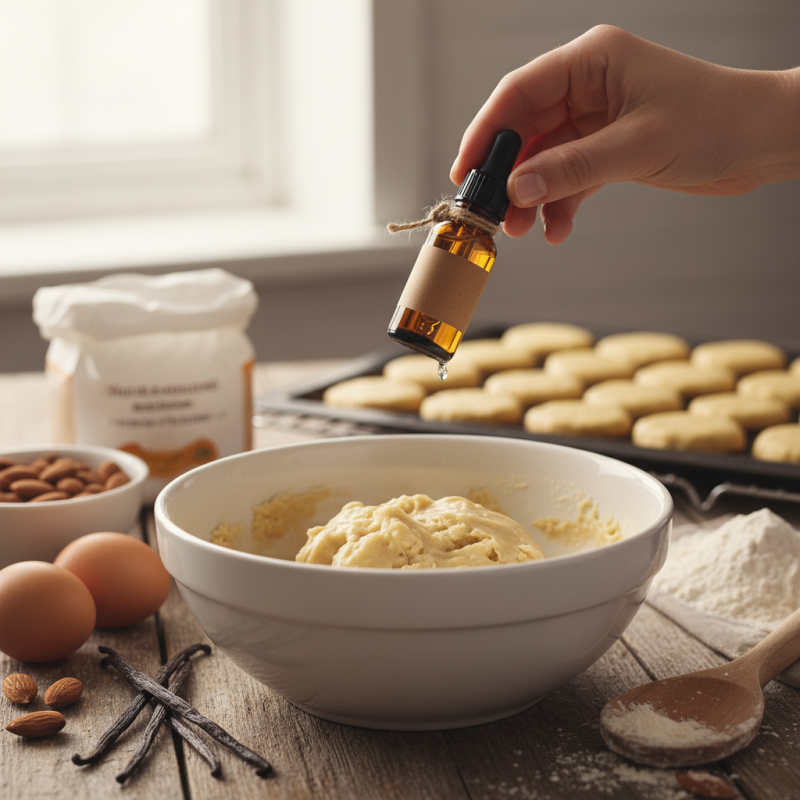
Organic flavor extracts are a fantastic way to elevate your cooking and baking. These natural ingredients provide rich flavors without artificial additives. Imagine a splash of organic vanilla extract in your cookies or a hint of almond in your cakes. Each drop adds depth and warmth to your recipes.
Incorporating organic flavor extracts can seem daunting. It’s easy to go overboard. A little goes a long way. Think about how many drops to start with. Adjusting flavors is part of the journey. Experimentation leads to delightful discoveries.
Remember, every kitchen adventure has its learning moments. Sometimes a recipe doesn’t turn out as expected. That’s okay. It’s about the process of finding the right balance. Embrace the unpredictability of using organic flavor extracts. Your culinary creations will benefit from the exploration.
Understanding Organic Flavor Extracts: Types and Benefits
Organic flavor extracts are versatile additions to any kitchen. They capture the essence of natural ingredients. These extracts can enhance your dishes from savory to sweet.
There are many types of organic flavor extracts. Vanilla, almond, and lemon are popular choices. They can transform a simple recipe. Even a basic cake can shine with a drop of almond extract. It's important to choose quality extracts, but not all are created equal. Some may lack intensity or authenticity.
Using these extracts requires care. Too much can overwhelm a dish. Start with a small amount and adjust as needed. Organic flavor extracts offer benefits like no artificial additives and rich taste. Experiment and reflect on your choices. You might find that less is more.
Choosing the Right Organic Flavor Extract for Your Recipe
Choosing the right organic flavor extract can elevate your dishes.
Consider the main ingredient in your recipe. Focus on complementary flavors. For example, vanilla pairs well with many desserts.
Almond extract adds a nutty twist to baked goods.
When selecting an extract, think about intensity. Some extracts are potent, while others are subtle.
Start with a small amount. You can always add more if needed. Remember, too much can overpower your dish.
Taste as you go.
Tip: Read labels carefully. Some extracts contain additives.
Choose pure extracts when possible for the best flavor.
Store extracts in a cool, dark place. This keeps them fresh longer. Always check expiration dates.
Using expired extracts can lead to disappointing results. A little attention can make a big difference.
How to Properly Measure and Incorporate Flavor Extracts in Baking
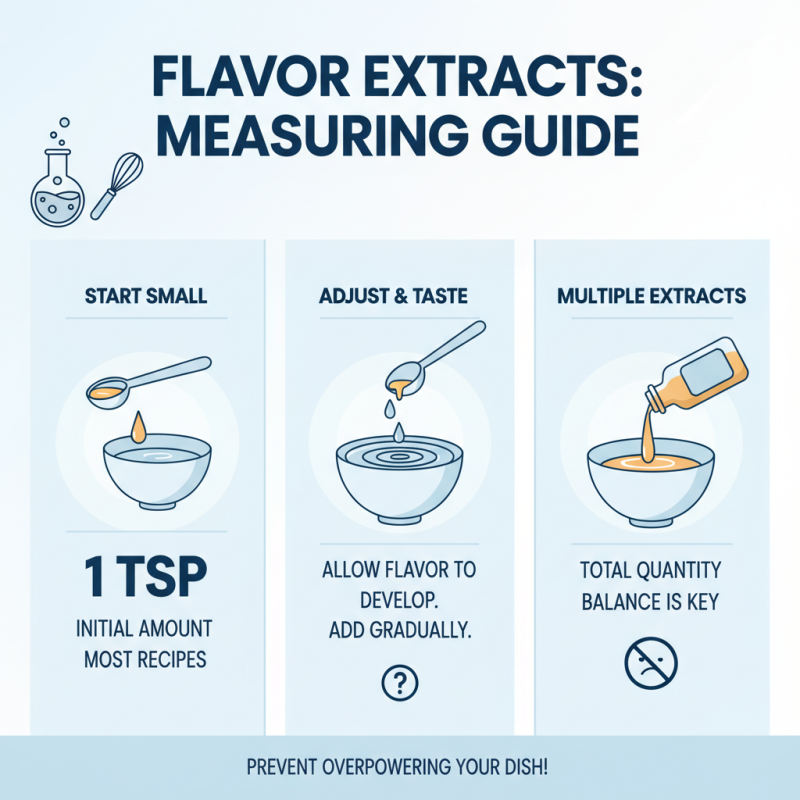
Measuring flavor extracts can be tricky. Start with a small amount. Generally, one teaspoon is a good starting point for most recipes. This allows the flavor to develop without overwhelming your dish. If the recipe requires multiple extracts, be mindful of the total quantity. Too much can lead to an unbalanced taste.
When incorporating flavor extracts, add them at different stages. For example, mix them into wet ingredients like eggs or milk. This helps the flavors blend more evenly. If you're making a batter, consider adding extracts just before you finish mixing. This ensures a fresher burst of flavor. Stir gently; overmixing can alter the texture.
Sometimes, the flavor doesn't come out as you hoped. Reflect on the measurements. Did you use too much? Or maybe not enough? Taste-testing is crucial. Adjust as you go. The beauty of baking lies in experimentation. Don't be afraid to tweak the amounts. Good results often require a bit of trial and error.
Creative Ways to Use Flavor Extracts in Savory Dishes
Using organic flavor extracts in savory dishes can elevate your cooking easily. These extracts offer unique flavors that can brighten up your meals. Imagine adding a splash of basil extract to homemade pasta sauce. It can transform a basic tomato sauce into something special. The flavor becomes vibrant and fresh, but be careful not to overdo it. A little can go a long way.
You can also experiment with garlic or onion extracts for a quick flavor boost. Just a few drops can enhance marinades or dressings remarkably. Try incorporating these extracts in roasted vegetables for an unexpected twist. Think about rosemary extract with potatoes or thyme extract blended into carrots. The flavors meld beautifully, but there’s a fine line between enhancing and overwhelming. Keep tasting as you go to find the balance that works for you.
Creating savory dishes with these extracts requires some trial and error. Maybe the first attempt won't be perfect, and that’s okay. Each cooking session is a learning opportunity. Perhaps you added too much extract or used it in the wrong dish. Reflect on how you could adjust the flavors next time. Cooking is about exploration. Embrace the imperfect journey of enhancing your meals with organic extracts.
Storing and Preserving Organic Flavor Extracts for Long-Term Use
Storing organic flavor extracts properly can extend their shelf life. Glass bottles or jars work best for storage. Keep them in a cool, dark place. This will prevent degradation from heat and light exposure. Ideal locations include a pantry or kitchen cabinet. Make sure the bottles are tightly sealed to avoid contamination.
For long-term use, consider using labels. Write down the extraction date and the flavor type. This helps you track freshness. Over time, extracts can lose their potency. If an extract starts to smell off, it’s time to discard it. It’s essential to check for cloudiness or sediment before use.
Even with the best storage methods, mistakes may happen. Sometimes, extracts might not perform as expected. This can lead to frustration when baking or cooking. Experiment with smaller amounts first. You can adjust your recipes based on fresh flavor notes. Remember, cooking is about trial and error, so don’t shy away from learning through the process.
Usage of Organic Flavor Extracts in Cooking and Baking