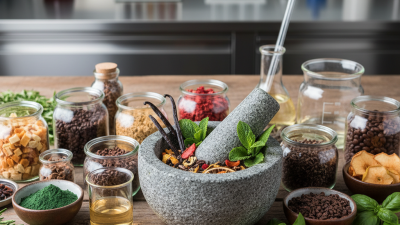

Choosing natural flavors in ingredients is a practical sourcing decision, not just a search for appealing taste. In 2026, buyers must weigh flavor quality, ingredient compatibility, supply reliability, and clear documentation. A bright citrus note may work in a chilled drink but fade in a baked product. Vanilla can soften a formula, while botanical notes may need careful balancing. The label alone tells only part of the story. “Natural” does not automatically mean better suited to every product or process. Small details matter.
This guide helps buyers compare flavor options with real production needs in mind. It covers flavor profiles, application fit, processing stability, supplier transparency, and questions to ask before requesting a quote. Review specifications, traceability information, and relevant quality documents, then assess samples in the intended formula. A bench-top tasting is useful, but it may not predict performance after heat, storage, or scale-up. Test under realistic conditions. Consider how flavor intensity changes across batches, and confirm that suppliers can communicate any specification updates. A flavor that looks ideal on paper can still fall flat in the finished product. That happens. Buyers should also recognize that cost, lead time, and sensory preference can pull in different directions. Careful evaluation cannot remove every uncertainty, but it can make trade-offs visible before a purchasing decision.

Natural flavors are ingredients used to provide or strengthen a particular taste or aroma. They can come from plant or animal materials, including fruit peels, herbs, spices, and dairy. A strip of orange peel, for example, contains aromatic compounds that can be separated and concentrated for use in a food or drink.
Producers may use pressing, water or alcohol extraction, distillation, enzymes, or fermentation, depending on the source and desired flavor. The resulting extract is often blended to create a consistent profile. The process can be less tidy than a simple ingredient story suggests: heat, storage, and raw-material variation may all affect the final aroma. Details matter. “Natural” does not mean unprocessed, additive-free, or identical to the source food. Its precise meaning can also depend on the market and the supplier’s documentation.
For buyers, ask what source materials and production methods are used, and whether the flavor suits the product’s processing conditions. A bright citrus note in a cold beverage may behave differently in a baked filling. Request specifications, allergen information, and samples for testing in the intended recipe. Even then, sensory results can shift between batches, so keep evaluation records and confirm expectations with the supplier.
Natural flavor ingredients generally fall into four practical groups: botanical extracts, fruit and vegetable preparations, fermentation-derived compounds, and savory extracts. Botanical materials include vanilla, mint, spice oleoresins, and citrus oils. Their aroma can shift with crop variety, harvest timing, and extraction method. A bright peel note can turn bitter when dosage climbs.
Fruit concentrates and juice-based preparations contribute recognizable profiles and sometimes color or acidity. Fermentation-derived ingredients can provide precise notes, including fruity, creamy, or roasted nuances. Yeast, vegetable, and other savory extracts add depth to soups, sauces, and plant-based foods. These groups overlap in real formulations; the labels are useful, but not always tidy.
Grand View Research’s 2024 Food Flavors Market report valued the global market at USD 16.6 billion in 2023. That figure covers food flavors broadly, not natural ingredients alone, so buyers should not treat it as a natural-flavor market estimate.
In practice, compare samples in the finished product, not just on a paper strip. Ask for botanical identity, carrier details, sensory application guidance, and batch-to-batch specifications. Natural does not mean uniform. Even a well-documented extract may change with the crop, and that variability deserves a second test.
A natural flavor should be judged in the finished product, not only from a sample vial. Smell and taste it at the intended concentration, then check how it performs after heating, cooling, or storage. A citrus note may seem bright on day one but fade in a baked filling. Record the dosage, product temperature, and tasting conditions so comparisons remain useful. Sensory judgment is partly subjective; repeat tests with more than one evaluator.
Safety review begins with clear, current documents. Request a product specification, ingredient or composition statement, allergen information, and batch-specific certificate of analysis where applicable. Check that the documents identify the same flavor and lot you are buying. Ask about relevant microbiological or contaminant testing, handling conditions, and shelf life. Confirm the flavor is suitable for your intended use and sales markets; requirements can differ. Missing details are not proof of a problem, but they deserve follow-up before approval.
Tips: Keep a retained sample from each approved lot. Compare it with the next delivery using the same recipe and storage conditions. Check packaging seals and lot codes on arrival. If flavor drifts, pause and investigate rather than adjusting the recipe immediately; the cause may be storage, processing, or a changed ingredient profile. We sometimes overlook small changes in aroma until customers notice them.
Sourcing natural flavors starts with the product, not the label claim. Define the target aroma, taste, and use level, then test the flavor in the actual recipe. A citrus note that smells bright in water may turn dull in a baked filling. Check heat stability, pH tolerance, solubility, and interactions with sweeteners or acids. Ask suppliers for specifications, allergen information, and batch-to-batch controls. Small trials matter.
Consumer data can help set priorities, but it cannot replace bench testing. The International Food Information Council’s 2023 Food & Health Survey found taste was important to 85% of respondents, compared with price at 76% and healthfulness at 62%. That gap is a useful reminder: a natural source is not automatically a better-tasting one. In the United States, FDA’s flavor-labeling definition also depends on the ingredient’s source and function, so buyers should review documentation for the intended market. I would not treat “natural” as a performance guarantee. Flavor can shift after processing or storage, and a first sample may not represent later lots. Retest before approval.
For 2026 purchasing plans, natural flavor availability may depend on crop yields, processing capacity, and shipping conditions. Citrus oils, vanilla extracts, and botanical ingredients can face different seasonal pressures. Ask suppliers about origin, lead times, minimum order quantities, and backup options. A sample that tastes bright in a bench test may behave differently in a finished drink or baked product. Test it in the actual recipe, then record dosage, aroma, and performance after storage.
Price per kilogram is only part of the cost. A concentrated flavor may require less material, while a lower-priced option may need more to reach the same taste. Compare cost per finished unit, including freight, handling, and expected production loss. That gap matters. Request current specifications and review how changes in source or processing could affect flavor consistency. Market interest in recognizable ingredients and botanical notes may shape product development, but “natural” does not automatically mean healthier or more sustainable. Claims and ingredient descriptions should match the documentation and rules for each sales market. Not always simple. Buyers should leave room for another pilot run; even careful forecasts can miss a change in crop quality or consumer preference.
A practical comparison of widely used natural flavor ingredients. “Cost profile” is a general purchasing tendency, not a price quote or market ranking; actual costs vary by origin, grade, extraction method, specification, order size, and contract terms. Natural-flavor labeling requirements differ by market.
| Ingredient / Flavor | Common Source and Formats | Typical Applications | Supply Considerations for 2026 Buyers | Indicative Cost Profile | Buyer Checks and Market Considerations |
|---|---|---|---|---|---|
| Vanilla | Vanilla beans; extracts, concentrates, and other flavor preparations. | Dairy products, bakery, confectionery, beverages, and plant-based desserts. | Production is crop-dependent and concentrated in a limited number of growing regions. Weather, harvest conditions, curing, and inventory can affect availability and quality. | Often high relative to many other flavor ingredients; bean quality, extraction strength, and origin can materially affect cost. | Specify flavor strength, sensory profile, and format. Ask for origin and lot traceability, a sample approval process, and a supply plan that accounts for harvest variability. |
| Citrus oils | Oils and extracts from citrus peels, commonly orange, lemon, lime, or grapefruit. | Soft drinks, sparkling beverages, confectionery, sauces, and bakery products. | Availability can track fruit harvests and processing volumes. Oil composition and sensory profile may vary by fruit variety, growing region, and processing method. | Variable; generally sensitive to crop conditions, oil yield, grade, and the specific citrus type. | Check composition and sensory consistency, oxidation protection, storage requirements, and suitability for the product’s processing conditions. Confirm allergen and labeling requirements where applicable. |
| Cocoa and chocolate flavors | Cocoa-derived ingredients and natural flavor preparations designed to provide cocoa or chocolate notes. | Chocolate, bakery, dairy, beverages, desserts, and plant-based products. | Cocoa supply is exposed to agricultural and origin-related risks. Cocoa ingredients and flavor preparations are not interchangeable; each has different formulation and labeling implications. | Can be highly variable, particularly for cocoa-derived materials; total formulation cost also depends on dosage and the level of cocoa solids required. | Clarify whether the specification calls for cocoa ingredients, a flavor, or both. Review sensory performance, cocoa content where relevant, origin documentation, and applicable labeling rules. |
| Mint and menthol notes | Mint-derived oils or extracts and natural flavor preparations; source and composition depend on the specification. | Confectionery, oral-care products, beverages, chewing gum, and topical products. | Plant-derived supply can vary with crop and region. Buyers should distinguish the desired mint profile from a single named compound or standardized flavor preparation. | Moderate to variable; depends on source, purity or standardization, and the performance required in the finished product. | Define the target profile and cooling intensity. Check permitted use and labeling for the intended market, along with stability, sensory consistency, and supplier documentation. |
| Ginger | Ginger root in forms such as extracts, oleoresins, and flavor preparations. | Beverages, sauces, bakery, confectionery, and savory foods. | Supply and sensory characteristics can vary by crop, origin, processing, and harvest. Different formats deliver different pungency and aroma. | Generally variable by format and strength; compare cost at the effective use level rather than by unit price alone. | Set a measurable sensory target, review heat and aroma consistency, and test performance in the actual food or beverage matrix. |
| Botanical and herb flavors | Herbs and botanicals such as basil, rosemary, or lavender, supplied as extracts, oils, or flavor preparations. | Functional-style beverages, savory products, sauces, confectionery, and specialty foods. | Availability may depend on regional crops and the part of the plant used. Seasonal supply, harvest practices, and extraction choices can influence profile and consistency. | Broadly variable; specialty botanicals and concentrated extracts may cost more than widely available ingredients. | Confirm botanical identity, plant part, traceability, intended use, and relevant contaminant controls. Assess whether the flavor remains balanced after processing and storage. |
| Fruit flavors: berry and tropical profiles | Fruit-derived extracts or concentrates and natural flavor preparations; the source may be fruit, another natural source, or a combination, subject to local definitions. | Beverages, yogurt, confectionery, bakery, frozen desserts, and plant-based products. | Fresh-fruit availability, processing capacity, and seasonal harvests can affect fruit-derived materials. A flavor preparation may offer a different supply profile from fruit concentrate. | Varies widely by fruit, format, and required intensity; compare the complete formulation cost and not just ingredient cost. | Ask suppliers to clarify source and labeling basis for the target market. Check color, acidity, heat stability, and flavor performance in the finished product. |
| Buyer trend: flexible sourcing and specification control | Applies across natural flavor ingredients and preparations. | Relevant to product launches, reformulations, and ongoing procurement programs. | Multiple qualified sources, clear substitution rules, and forecast sharing can help manage crop and logistics variability. Substitutions should not be assumed to be sensory- or labeling-equivalent. | Evaluate total landed and formulation cost, including freight, storage, dosage, testing, and potential reformulation—not only quoted unit price. | Use a written specification, agreed sensory reference, change-notification process, traceability records, and market-specific regulatory review. Revalidate any alternate source before production. |