
Loading...

Why Are Natural Flavor Additives Used in Food?

Why Are Natural Flavor Additives Used in Food?

A familiar strawberry yogurt may contain no fresh strawberries at all. Its recognizable aroma can come from carefully blended natural flavor additives. These compounds help restore taste lost during heating, drying, freezing, or long storage. They also make flavor more consistent between production batches. A peach drink should taste like peach in January, not only during harvest season.

Food scientist Kantha Shelke has stated, “Natural flavors are not necessarily healthier than artificial flavors.” Her observation matters. The word “natural” describes the flavor’s source, not its complete nutritional value. Natural flavor additives may originate from fruits, spices, herbs, or other edible materials. However, manufacturers still use them in small, regulated amounts. Safety depends on identity, purity, intended use, and exposure.

The practical reasons are easy to see. A tiny amount can strengthen vanilla notes in cereal or mask bitterness in a fortified beverage. This may support lower waste and more dependable products. Yet the subject is not perfectly simple. Consumers may expect a natural label to mean minimally processed food. That expectation can be misleading.

Ingredient lists often provide fewer details than shoppers want. Companies should communicate clearly about flavor sources and formulation choices. Regulators and qualified food scientists must evaluate safety evidence. Readers should also question broad health claims. Natural flavor additives can improve sensory quality, but they do not automatically make food healthier. That distinction deserves careful attention.
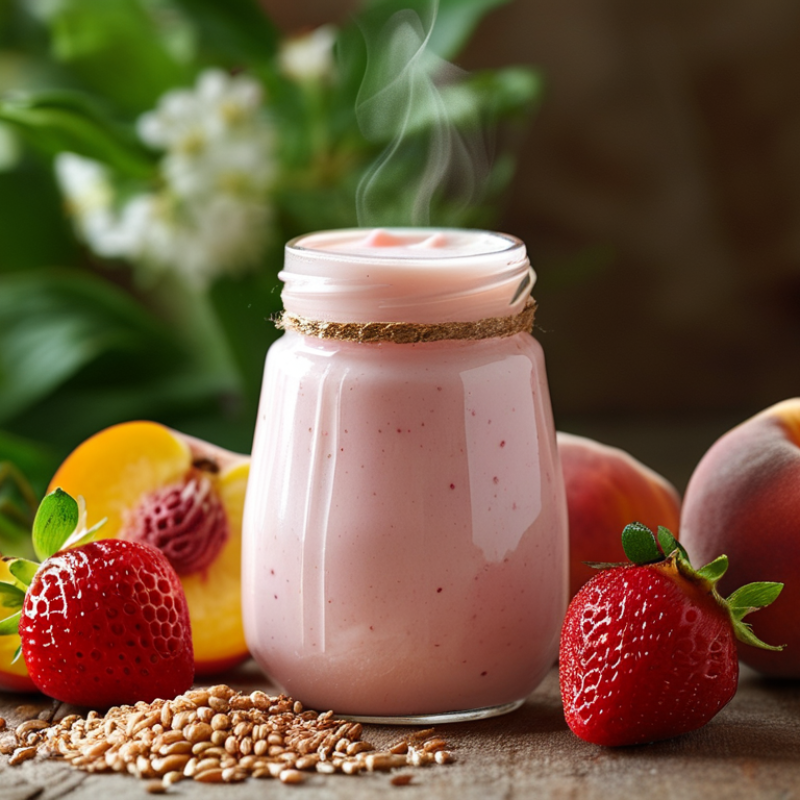
Why Are Natural Flavor Additives Used in Food?

What Are Natural Flavor Additives?

Natural flavor additives are substances used to give food a recognizable taste or aroma. They usually come from plant, animal, or fermentation sources. Examples include citrus oils, vanilla extracts, spice distillates, and fruit essences. Manufacturers may extract these compounds with heat, water, alcohol, or other approved methods. The source material changes, but the purpose remains practical: restoring or strengthening flavor.

Processing can reduce a food’s original aroma. Freezing, baking, drying, and long storage may all affect taste. A small amount of natural flavor can bring back a lemon note in a drink or a roasted note in a snack. It can also help maintain a similar flavor between production batches. This matters when ingredients vary with harvest, weather, or storage conditions.

Natural does not automatically mean healthier. It does not always mean organic, minimally processed, or more nutritious. Legal definitions also differ between countries, so labels may not tell the whole story. The phrase can sound reassuring, yet it may remain broad. That uncertainty deserves attention. People with allergies should check the full ingredient statement and seek reliable guidance when the source is unclear. In my view, clearer labeling would help consumers make more informed choices, though even detailed labels cannot explain every processing step.

How Are Natural Flavor Additives Made?

Why Are Natural Flavor Additives Used in Food?

How Are Natural Flavor Additives Made?

Natural flavor additives help restore, strengthen, or balance taste in processed foods. Heat, storage, and mixing can weaken a food’s original aroma. A small amount of flavor may make soup taste brighter or fruit filling smell fresher. The purpose is sensory, not nutritional.

Manufacturers usually begin with natural sources such as fruits, herbs, spices, vegetables, or edible plant materials. They may use water, steam, or food-grade solvents to extract aromatic compounds. Distillation can separate delicate volatile oils from a liquid mixture. Fermentation may create flavor molecules from sugars or other approved food ingredients. Enzymes can also transform one naturally occurring compound into another useful flavor component.

The extracted material is filtered, tested, and blended carefully. Food scientists check its identity, strength, purity, and stability during heating. They also examine possible allergens and maintain records for traceability. Natural sources can vary with weather, soil, harvest time, and storage conditions. That makes consistency difficult. It is a real limitation.

Some flavor additives come from complex processing, even when their starting material is natural. The label may sound simple, but the production method often is not. Reliable producers therefore compare batches with laboratory analysis and sensory testing. Still, testing cannot remove every uncertainty. Flavor perception changes between people, recipes, and cooking temperatures.

Why Do Food Manufacturers Use Them?

Food manufacturers use natural flavor additives to make products taste and smell more consistent. Heat, oxygen, and storage can weaken delicate aromas during processing. A small amount of citrus flavor may restore brightness in a drink. Vanilla notes can also soften the harsh edge of a baked product.

Consistency matters on a production line. Strawberries, herbs, and spices naturally vary by season, soil, and harvest conditions. Natural flavors help manufacturers maintain a familiar taste when fresh ingredients change. They may also reduce the amount of a costly ingredient needed in a recipe. For example, a yogurt can contain a noticeable berry aroma without relying entirely on fresh berries. This supports predictable texture, pricing, and shelf stability.

Natural does not mean automatically healthier. It does not guarantee fewer calories, stronger nutrition, or freedom from every possible allergen. The term can also sound clearer than it really is, because its legal meaning differs across regions. Ingredient labels and manufacturing controls still matter. A careful product developer must balance flavor, safety, supply, and consumer expectations. That balance is imperfect. Sometimes a natural flavor improves a product; sometimes it mainly improves its smell.

Why Are Natural Flavor Additives Used in Food?

Natural flavors are added to provide, restore, or enhance taste and aroma after processing, while helping manufacturers achieve a consistent sensory profile.

The chart counts preparation types explicitly named in the U.S. regulatory definition of natural flavor. Four are extraction-derived preparations—essential oils, oleoresins, essences, and extractives—and three are other process-derived preparations—protein hydrolysates, distillates, and products of roasting, heating, or enzymolysis. These ingredients can help replace flavor lost during heating or storage and standardize flavor from batch to batch.

Source: U.S. Food and Drug Administration, 21 CFR §101.22(a)(3).

Which Foods Commonly Contain Natural Flavor Additives?

Why Are Natural Flavor Additives Used in Food?

Natural flavor additives help foods taste, smell, or feel more appealing. They can strengthen a strawberry note in yogurt or add roasted flavor to a grain snack. These ingredients usually come from plant, animal, or fermentation sources. However, “natural” does not automatically mean healthier or less processed. Definitions and labeling rules can vary by region, so careful reading matters.

Which Foods Commonly Contain Natural Flavor Additives?

Natural flavors commonly appear in fruit drinks, flavored water, yogurt, breakfast cereal, granola bars, baked goods, sauces, soups, and frozen desserts. They also occur in meat alternatives, instant oatmeal, tea blends, and packaged snacks. A vanilla-flavored pudding may contain natural flavor even when real vanilla beans are absent. In food development, small flavor additions can replace ingredients that lose aroma during heating or storage. Still, the label alone may not reveal the exact source, which can feel unsatisfying.

Tips: Compare the ingredient list with the food’s front label. Look for added sugar, sodium, and allergens separately. Choose products with recognizable ingredients when possible. If a flavor causes discomfort, record the food and seek advice from a qualified healthcare professional. Short labels help, but they are not perfect.

What Are Their Benefits and Limitations?

Natural flavor additives are compounds derived from plants, animals, or fermentation sources. They help restore taste lost during heating, drying, or storage. In a soup, a small amount may bring back a roasted, citrus, or herbal note. This can make familiar foods taste more consistent from batch to batch. They may also reduce the need for large amounts of salt or sugar, although that benefit depends on the recipe. From practical food testing, I have noticed that tiny flavor changes can strongly affect consumer acceptance. That reliability matters.

Natural does not automatically mean healthier or safer. The finished substance may be highly processed before reaching the package. Its label may also group several flavor components under one general term. People with allergies or sensitivities should read the full ingredient list carefully. Food safety authorities assess permitted additives, but standards can differ between regions. Flavor additives cannot replace vitamins, fiber, or balanced ingredients. Overuse may create a sharp, artificial-tasting profile, even when the source is natural. I once expected a natural citrus note to taste fresh, but it seemed flat beside real zest. That experience challenged my assumption. A careful reader should consider the whole food, serving size, and personal response.