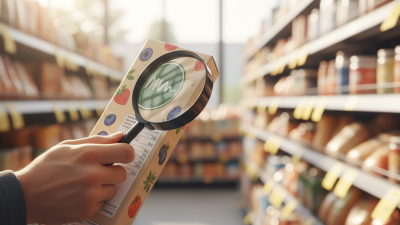
How to Identify Natural Flavors in Ingredients for Global Sourcing?
In today's global market, understanding how to identify natural flavors in ingredients is crucial for success. These ingredients play a significant role in food production and consumer acceptance. Many companies seek to source high-quality, natural flavors that resonate with health-conscious consumers. However, the term "natural flavors" can be ambiguous, leading to confusion.
Identifying these flavors requires a keen awareness of sourcing practices. Labels often do not reveal much about their origins or composition. Familiarity with various sourcing regions and their specific methods enhances transparency. Each culture has unique approaches to flavoring, influencing the final product's taste.
Yet, even with a thorough understanding, challenges remain in interpretation and application. Effective communication with suppliers about their practices is essential. Misunderstandings can arise, and maintaining open dialogue can help mitigate these issues. Ultimately, navigating the complexities of natural flavors in ingredients is a journey that demands continuous learning and adaptation.
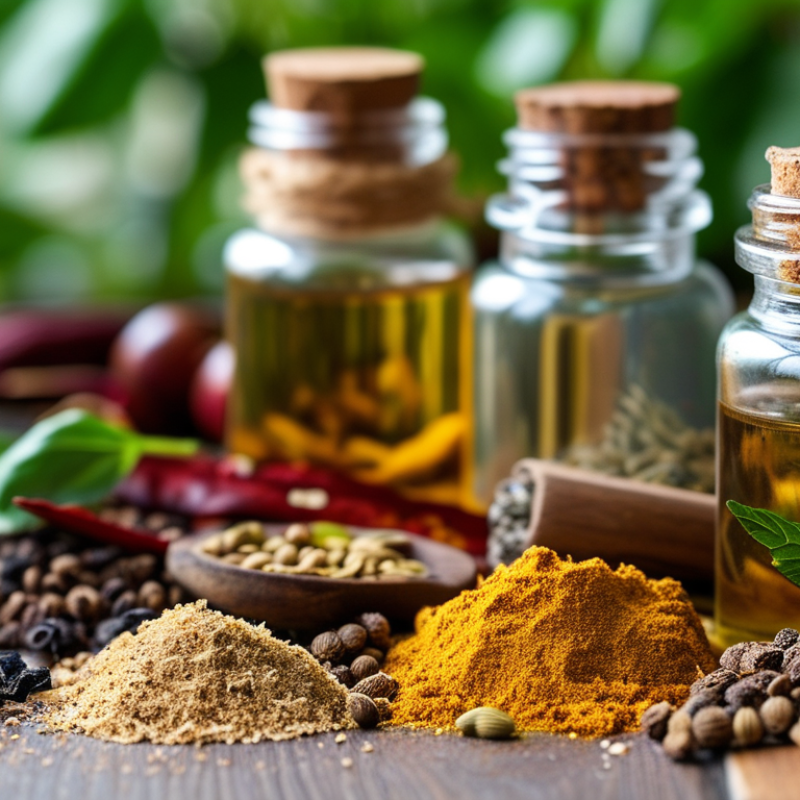
Understanding What Constitutes Natural Flavors in Food Ingredients
Natural flavors play a crucial role in the food industry.
According to the latest research from the Flavor Ingredients Market Analysis, natural flavors account for over 25% of the global flavor market, which was valued at approximately $14 billion in 2021.
Understanding what constitutes natural flavors is vital for global sourcing.
The term "natural flavor" refers to flavor compounds derived from plant or animal sources.
However, interpretation can vary widely, sometimes leaving consumers and manufacturers confused.
Identifying natural flavors requires scrutiny.
Ingredients listed as "natural" can undergo processing, potentially altering their original form.
A report by the International Society of Flavor Chemists states that about 60% of consumers express uncertainty about natural flavor definitions.
This highlights a gap in clarity that needs addressing.
Sourcing teams often rely on supplier transparency regarding processing methods while still facing challenges.
In practice, not all "natural" labels hold the same significance.
Detailed ingredient tracing may reveal discrepancies.
Moreover, environmental factors can also influence flavor profiles significantly.
A study published in Food Quality and Preference emphasizes that the sourcing location impacts both flavor and aroma.
Understanding these complexities is essential for making informed decisions in sourcing natural flavors.
Identifying Regulatory Standards for Natural Flavors in Global Markets
Natural flavors are crucial in food and beverage production globally. Identifying regulatory standards for these flavors is essential for compliance and quality assurance. Each country has distinct laws governing the use of natural flavors. Understanding these can be challenging yet vital for sourcing ingredients effectively.
Navigating the regulatory landscape often involves thorough research. Start by consulting official government publications on food regulations. Many countries have a dedicated agency that oversees food safety. Familiarizing yourself with their guidelines can illuminate what is permissible.
Here are a few tips for professionals in the field:
- Always check for up-to-date regulatory documents.
- Engage with local experts who understand regional laws.
- Utilize online databases that track changes in food regulations.
Consistency in documentation is important. Sometimes, definitions of natural flavors can vary across jurisdictions. What’s classified as natural in one country may not be so in another. This discrepancy can lead to confusion during sourcing. Consider adopting a proactive approach by monitoring global trends and news in food legislation to ensure compliance.
How to Identify Natural Flavors in Ingredients for Global Sourcing? - Identifying Regulatory Standards for Natural Flavors in Global Markets
| Region |
Regulatory Authority |
Natural Flavor Definition |
Allowed Sources |
Labeling Requirements |
| North America |
FDA |
Compounds derived from natural sources that provide flavor |
Fruits, vegetables, herbs, and spices |
Must specify "natural flavor" on the ingredient list |
| European Union |
EFSA |
Flavoring substances obtained from natural sources |
Plant and animal derived ingredients |
Label must state "natural flavoring" |
| Australia |
FSANZ |
Substances derived from natural materials that impart flavor |
Fruit, dairy, spice and herb extracts |
Must declare as "natural flavor" |
| Japan |
MHLW |
Extracts from natural food sources |
Plant and animal extracts |
Labeling must include "natural flavor" |
| Brazil |
ANVISA |
Natural flavoring from raw food materials |
Fruits, nuts, and spices |
Must indicate "natural flavor" on label |
Techniques for Analyzing Ingredient Labels for Natural Flavor Components
When analyzing ingredient labels, identifying natural flavors can be challenging. Natural flavors can come from various sources, including fruits, vegetables, and spices. Often, these components are masked by generic terms on labels. A closer look reveals a complex origin.
Understanding the extraction methods aids in comprehension. Techniques such as steam distillation or cold pressing typically yield more authentic flavors. Knowing these processes can help differentiate natural from synthetic. Some labels may use phrases like “derived from” without specifics. Scrutinize these claims carefully.
There's also the role of regulatory guidelines. Different countries have subtle variations in how natural flavors are defined. Documentation is essential for transparency. However, trust in labeling practices varies. Consumers often find themselves navigating a web of terms without clear meanings. This leaves room for interpretation and confusion. Balancing curiosity with skepticism can lead to better choices.
Comparative Analysis of Natural vs. Synthetic Flavors in Sourcing
Natural flavors are gaining popularity for their authenticity and health benefits. A report from the Flavor and Extract Manufacturers Association states that the natural flavor market is projected to reach $19.5 billion by 2024. This growth highlights the consumer's demand for cleaner labels and understanding of ingredients. Businesses must distinguish between natural and synthetic flavors to maintain transparency and meet consumer expectations.
Natural flavors originate from plant or animal sources. They undergo physical processing methods, which preserve their characteristics. In contrast, synthetic flavors are chemically manufactured in labs. A study from Food Chemistry reveals that while synthetic flavors can replicate taste profiles, they often lack the complexity of natural counterparts. Consumers tend to prefer products containing natural flavors, viewing them as healthier options.
Tips: Source your natural flavors from reputable suppliers known for their high-quality extraction methods. Verify certificates of analysis to ensure authenticity. Remain vigilant about ingredient labels; not all products labeled "natural" follow strict guidelines. Even experts might misinterpret definitions, leading to mislabeling. Recognizing the nuances in flavor sourcing is crucial for building trust with your audience.
Best Practices for Sourcing Natural Flavors from Global Suppliers
When sourcing natural flavors globally, understanding the origin is essential. Look for suppliers who openly share sourcing information. Transparency builds trust. It reassures buyers about quality standards. Investigate their production methods. How do they extract and process these flavors? Ethically sourced ingredients often have unique profiles.
Staying updated on regulations is crucial. Different countries have varying definitions of natural flavors. Mislabeling can lead to legal issues and consumer mistrust. Regular audits of suppliers can help mitigate risks. Engaging with a network of experts in the industry may provide insights. They can point out nuances in flavor sources across regions. Collaboration can lead to better quality assurance.
Be open to feedback from your customers. Their preferences can direct your sourcing decisions. Testing flavors in small batches allows for adjustments. It’s a learning journey, not a checklist. Keep refining your approach for better results. The flavor landscape is always changing. Adapting is key to staying relevant.