
Loading...

2026 How to Source Organic Strawberry Flavor in Bulk?

Sourcing organic strawberry flavor in bulk sounds straightforward until the first sample arrives. A supplier may promise ripe berry character, yet the liquid can smell sharp, taste hollow, or disappear after baking. A bright red liquid can still taste thin. That small disappointment often reveals weak evaluation procedures.

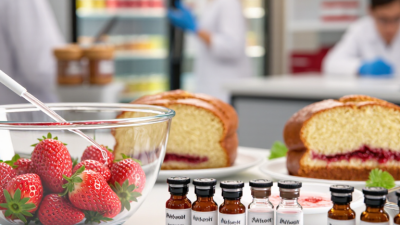
Flavor scientist John E. McGorrin offers a useful principle: “A flavor must be evaluated in the food, not only in the bottle.” His point matters for buyers comparing organic strawberry flavor suppliers. Test the flavor in yogurt, beverage bases, fillings, and baked products. Heat, acidity, sugar, and fat can change the result dramatically. One sample may perform beautifully in water but fail inside a low-pH drink.

A reliable bulk sourcing process examines more than aroma. Request ingredient composition, organic certification, country of origin, allergen information, microbiological specifications, shelf-life data, and a current certificate of analysis. Review traceability from raw materials to finished drums. Ask about minimum order quantities, lead times, storage temperatures, and packaging protection. Amber containers and tight seals can help preserve delicate strawberry notes.

Do not choose only by price. Cheap material may require higher dosage, creating a false saving. Compare performance at the same use level and under realistic production conditions. Keep retained samples from each batch. Record color, aroma, taste, and aftertaste.

Some decisions remain imperfect. Organic standards, labeling expectations, and flavor definitions differ across markets. Confirm requirements with qualified regulatory professionals before purchase. A careful buyer stays curious, tests again, and treats every specification as a starting point rather than a guarantee.

2026 How to Source Organic Strawberry Flavor in Bulk?

Organic Strawberry Flavor: Definition, Types, and Key Characteristics

Organic strawberry flavor is a food-grade flavoring made to deliver strawberry aroma and taste. Its organic status depends on certified ingredients, processing controls, and approved documentation. A flavor may use organic strawberry extract, juice concentrate, or other permitted natural sources. Always check the certificate.

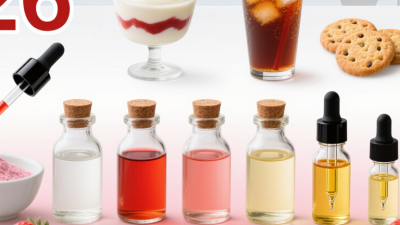
Common forms include liquid flavor, powder, extract, and flavor emulsions. Liquid formats blend easily into beverages, dairy products, sauces, and fillings. Powders suit dry mixes and bakery applications. Extracts can offer a more recognizable fruit profile, but their flavor may change during heating. Emulsions help protect aroma in some water-based products.

Good organic strawberry flavor should show a clear berry aroma, gentle sweetness, and balanced acidity. It should not smell sharply artificial or leave a heavy aftertaste. Color is not a reliable quality signal. Some formulas remain pale. Others use permitted coloring ingredients. The carrier also matters, especially in clean-label formulations.

For bulk sourcing, request a specification sheet, certificate, allergen statement, microbiological data, and certificate of analysis. Ask how the supplier controls crop origin and batch traceability. In pilot trials, test the flavor after heating, refrigeration, and storage. Strawberry notes can fade faster than expected. A sample may perform well in water but poorly in yogurt. That gap is easy to miss. I would also compare at least two batches, because seasonal fruit variation can affect aroma strength and acidity. Supplier claims deserve verification, not blind trust.

Bulk Sourcing Requirements for Organic Strawberry Flavor

2026 How to Source Organic Strawberry Flavor in Bulk?

Bulk Sourcing Requirements for Organic Strawberry Flavor

Bulk buyers need more than a sweet berry aroma. They need traceability, stable specifications, and verified organic status. The Organic Trade Association reported that U.S. organic sales reached $67.6 billion in 2023, growing 5.5% year over year. Demand is expanding, but documentation must keep pace. Ask suppliers for current organic certificates, ingredient statements, allergen declarations, and batch-level certificates of analysis. Confirm whether the flavor uses organic strawberry, organic carriers, or both. This distinction can affect labeling and certification claims.

Flavor performance also requires practical testing. Request samples from at least two production lots. Compare aroma strength, color, solubility, acidity tolerance, and performance after heating. A flavor that smells excellent in water may fade in yogurt or baked fillings. It happens. Review microbiological limits, pesticide controls, residual solvent statements, and shelf-life data. For international purchasing, check applicable organic rules, such as USDA requirements or European Union organic regulations. FiBL and IFOAM Organics International valued the global organic food and drink market at €134.8 billion in 2022, showing why cross-border verification matters.

Tips: Define the target dosage before negotiating price. Specify drum size, minimum order quantity, lead time, and storage temperature. Keep a retained sample from every lot. Also question unusually low prices; the missing detail may be the real cost. Supplier audits are useful, but they are not perfect. Pair them with independent testing.

How to Evaluate Suppliers and Verify Organic Certification

Sourcing organic strawberry flavor in bulk starts with the supplier’s evidence, not the sales presentation. Ask for the current organic certificate and confirm its issuing body. Details matter. The certificate should cover the actual manufacturing site, product category, and intended market. A trading company’s certificate may not cover the processing facility. Check the certificate number, validity dates, scope, and listed ingredients. Then compare those details with the quotation and technical data sheet.

Request a complete ingredient statement, manufacturing flow, country of origin, and recent certificate of analysis. The flavor should match its declared profile, strength, solvent system, and storage conditions. For an organic claim, verify whether every relevant ingredient qualifies under the destination market’s rules.

“Organic strawberry flavor” can involve different regulatory meanings. Ask for transaction certificates or equivalent supply records when available. Keep samples. Test aroma, color, solubility, and stability in your finished application. A clean berry note may become artificial after heating or acidic processing.

Traceability should work backward from the finished drum to the strawberry source and processing records. Ask how the supplier handles lot coding, recalls, and nonconforming material. A polished PDF can still hide gaps. I once treated documentation as enough, but production consistency proved more important. Request at least two separate lots before signing a long-term agreement. Compare sensory results and analytical data. Also confirm minimum order quantities, lead times, packaging, and temperature controls. A reliable supplier answers specific questions without avoiding inconvenient details. If a certificate is unclear, contact the certifier directly through its official records, rather than relying on forwarded files.

Quality, Safety, Packaging, and Storage Considerations

2026 How to Source Organic Strawberry Flavor in Bulk?

Organic strawberry flavor sourcing starts with proof, not aroma. The 2024 Organic Industry Survey reported U.S. organic sales of $67.6 billion in 2023. Demand is growing, but certification details still vary. Request a current organic certificate, product specification, allergen statement, country of origin, and certificate of analysis for every lot. Confirm whether the flavor is organic, made with organic ingredients, or only labeled as natural. These terms are not interchangeable. USDA organic handling rules also require controls against mixing and contamination.

Quality testing should cover strawberry identity, flavor strength, color, pH, microbial limits, and unwanted residues. Ask about carriers, such as glycerin or ethanol. Packaging deserves equal attention. Food-grade HDPE or amber glass can reduce light exposure and leakage. A sealed container is not automatically a good container. FDA food safety guidance supports documented controls, while ISO 22000:2018 emphasizes traceability and hazard-based systems. Keep lot numbers linked to production records. This step is often missed.

Tips: Compare retained samples from three lots, not one. Store unopened flavor in a cool, dry area, away from sunlight and strong odors. Follow the supplier’s temperature range instead of guessing. Record opening dates and inspect changes in color, sediment, or aroma. FAO reports that 13.2% of food is lost before retail, although flavor concentrates differ from fresh food. Still, poor storage creates quiet waste. I would also challenge unusually long shelf-life claims. They may be valid, but they deserve supporting stability data.

2026 How to Source Organic Strawberry Flavor in Bulk? - Quality, Safety, Packaging, and Storage Considerations

Sourcing Dimension Key Requirement Recommended Bulk-Sourcing Specification Verification Method
Organic Status The product must be eligible for the intended organic claim. Request a current organic certificate covering the flavor, manufacturing site, and applicable production scope. Confirm compliance with the destination market’s organic rules. Review the certificate, scope, validity dates, product listing, and certificate issuer. Do not rely on an “organic” statement alone.
Flavor Classification The legal category affects labeling and documentation. Confirm whether the material is an organic natural strawberry flavor, organic strawberry extract, flavor preparation, or another permitted category. Check the product specification, ingredient statement, regulatory declaration, and intended application before purchase.
Format The format should match the production process and dosage system. Liquid flavors are suitable for beverage, dairy, bakery, and confectionery dosing. Powdered or spray-dried formats are useful for dry blends and premixes. Evaluate solubility, dispersibility, carrier ingredients, moisture sensitivity, and performance in the final product.
Sensory Quality The flavor should provide a consistent strawberry profile without unwanted notes. Define the target profile: ripe strawberry top note, balanced sweetness impression, natural acidity, and no burnt, solvent-like, rancid, or fermented off-notes. Use an approved reference sample, sensory panel, application test, and batch-to-batch comparison.
Identity and Composition The ingredient composition must be transparent and suitable for the label. Obtain the full ingredient statement, carrier details, solvent information, allergen declaration, and processing-aid information. Compare the specification, certificate of analysis, technical data sheet, and regulatory documents.
Microbiological Safety Microbiological requirements depend on the product format and application. Set acceptance limits for total plate count, yeast and mold, coliforms, and relevant pathogens according to the product risk assessment and destination-market requirements. Review a recent certificate of analysis and verify testing through an accredited laboratory when required.
Chemical and Physical Safety The material should be free from unacceptable contamination and meet agreed physical specifications. Define limits for heavy metals, pesticide residues, residual solvents where relevant, foreign matter, color, odor, density, and moisture or water activity as applicable. Use supplier COAs, risk-based contaminant testing, approved methods, and periodic independent verification.
Allergen and Dietary Controls Cross-contact controls must match the buyer’s labeling and dietary requirements. Request allergen, gluten, genetically modified organism, vegan, halal, and kosher statements when relevant to the finished product. Review declarations, sanitation controls, production-line segregation, and change-notification procedures.
Stability and Shelf Life Shelf life varies significantly by format, carrier, water content, and packaging. Use the supplier’s validated shelf-life period. Many commercial flavors are assigned approximately 12–24 months when unopened, but the exact period must be confirmed for each product. Request stability data, retain samples, production date, best-before date, and defined post-opening usage guidance.
Bulk Packaging Packaging must protect the flavor from oxygen, light, moisture, and contamination. Typical options include sealed food-grade HDPE containers, lined drums, bag-in-box systems for liquids, and moisture-barrier bags or lined cartons for powders. Confirm food-contact suitability, seal integrity, tamper evidence, pallet configuration, net weight, and packaging compatibility.
Label and Traceability Every bulk unit should be traceable from receipt to finished product. Each container should show product name, lot or batch number, net quantity, production date, best-before date, storage conditions, and handling instructions. Check labels against the purchase order, COA, shipping documents, and internal traceability records.
Storage Conditions Incorrect storage can reduce aroma intensity and accelerate oxidation. Store in a cool, dry, clean area protected from direct sunlight and strong odors. A commonly recommended range is approximately 15–25°C unless the supplier specifies otherwise. Monitor temperature and humidity where necessary, keep containers closed, and follow first-expire, first-out inventory control.
Handling After Opening Repeated exposure to air and moisture can affect quality. Reseal immediately after dispensing, use clean and dry equipment, minimize headspace exposure, and avoid returning unused material to the original container. Define an internal open-container usage period based on supplier guidance and risk assessment.
Application Performance Flavor performance can change with heat, pH, fat, alcohol, and processing time. Test in the actual recipe and process, including pasteurization, baking, freezing, high-shear mixing, or acidic conditions where applicable. Approve the flavor only after pilot-scale testing confirms sensory impact, stability, dosage, and compatibility.
Supplier Quality System A documented food-safety system reduces supply and compliance risks. Prefer suppliers with a recognized food-safety management system, documented HACCP controls, batch testing, complaint handling, and formal change control. Review audit evidence, food-safety documentation, recall procedures, and change-notification commitments.
Commercial Terms The lowest price may not provide the lowest total cost. Compare minimum order quantity, lead time, sample policy, shelf life at delivery, dosage rate, freight conditions, payment terms, and forecast-based supply capacity. Use a total-cost comparison and confirm specifications in a written supply agreement.

Pricing, Ordering, and Supply Chain Management in 2026

Sourcing organic strawberry flavor in bulk in 2026 requires more than comparing a price per kilogram. Buyers should confirm whether the flavor itself is certified organic in the destination market. Request current certificates, product specifications, allergen statements, microbiological limits, and a certificate of analysis for every shipment. Natural strawberry notes can vary between lots, especially when agricultural conditions change. A retained sample helps compare future deliveries.

Pricing depends on organic raw material costs, concentration, order volume, packaging, freight, and certification paperwork. Ask suppliers to separate these charges in the quotation. A low price may exclude testing, customs support, or special packaging. That detail can become expensive later. Request pricing validity, minimum order quantity, production lead time, and payment terms in writing. For a first order, a pilot quantity is safer than committing to a full annual volume.

Supply chain management should connect purchasing with production forecasts. Share a rolling six-month estimate, but avoid promising volumes that are not realistic. Confirm whether the supplier can hold safety stock and how quickly it can replace a rejected lot. Use sealed, food-grade containers and store the flavor according to its specification, usually away from heat, light, and moisture. Dual sourcing may reduce disruption, although matching flavor profiles between suppliers is difficult. I would also review one weakness in the plan: certification documents can be valid while the actual lot still needs careful sensory and quality checks.

2026 How to Source Organic Strawberry Flavor in Bulk?

Pricing, ordering, and supply chain planning benchmarks for bulk organic strawberry flavor.

Indicative 2026 procurement benchmarks for certified organic, liquid or water-soluble strawberry flavor. Actual quotations vary by concentration, organic certification, formulation, packaging, freight, and destination taxes. Larger orders generally reduce the unit price but require earlier production planning.

Pricing

Budget approximately $25–$42 per kg before freight and import charges, depending on order volume.

Ordering

A practical first order is commonly 25–100 kg, followed by annual volume commitments after approval testing.

Supply Chain

Plan for approximately 4–10 weeks, including formulation confirmation, production, certification documents, and shipping.