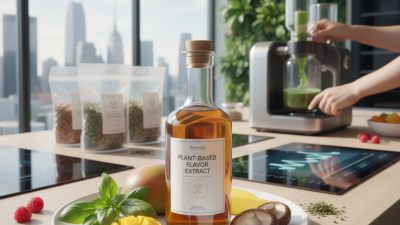

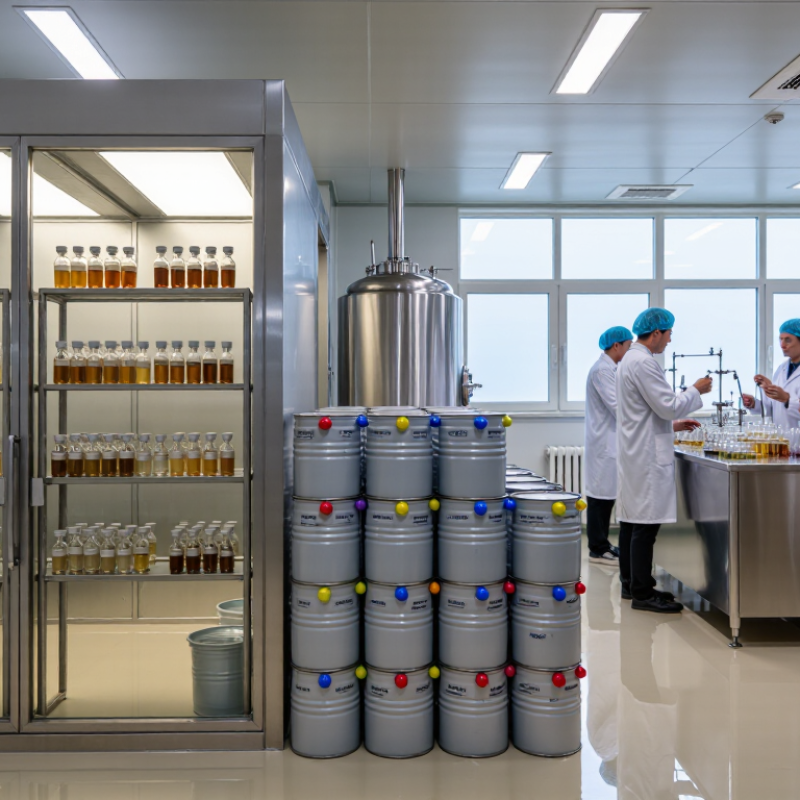
China’s natural food flavorings industry is moving from basic vanilla and citrus profiles toward cleaner, more traceable solutions. Manufacturers now serve beverages, dairy products, bakery items, confectionery, and plant-based foods. In a factory, this shift appears in practical details: sealed sample rooms, batch-coded drums, and flavor trials beside pilot-scale beverage tanks.
Market data supports this growing interest. Grand View Research has reported continued expansion in the global natural flavors market, supported by clean-label demand and consumer preference for recognizable ingredients. MarketsandMarkets also identifies natural flavors as a key growth area within the broader food flavor market. However, published figures vary because researchers define “natural” differently. That limitation matters.
This guide examines ten notable Chinese suppliers of natural food flavorings. The selection considers product range, extraction or fermentation capabilities, quality certifications, export experience, documentation, and technical support. Certifications such as ISO 22000, FSSC 22000, HACCP, and relevant kosher or halal approvals can strengthen supplier credibility. They do not replace independent verification.
A ranking is never absolute. A supplier strong in fruit emulsions may not suit a savory snack application. Buyers should request recent specifications, allergen statements, stability data, country-of-origin details, and representative samples. Small formulation differences can change a finished drink dramatically.
Reliable sourcing requires more than a polished website. It requires factory evidence, responsive communication, and repeatable performance. This overview offers a practical starting point, not a final purchasing decision. Some supplier information may change, so readers should confirm current certifications and production capacities directly.
China’s natural food flavor market is projected to grow at a 6.5% CAGR from 2024 to 2030, according to Grand View Research. This growth reflects stronger demand for recognizable ingredients, botanical extracts, and fruit-based flavor profiles. Beverage, bakery, dairy, and plant-based food manufacturers are driving much of this movement. Demand is moving.
For buyers comparing China’s top natural food flavoring suppliers, technical evidence matters more than attractive catalogs. Reliable suppliers should provide certificates of analysis, allergen statements, origin records, and batch-level traceability. Their laboratories should verify identity and purity through methods such as gas chromatography or mass spectrometry. A practical audit should also examine extraction controls, storage temperatures, sanitation records, and pilot-batch consistency. Details matter. Supplier experience appears in small decisions, such as using light-resistant containers for citrus oils or controlling moisture in powdered extracts.
The 6.5% forecast is useful, but it is not a guarantee. It may overlook differences between domestic demand, export orders, and changing consumer preferences. I would request three production samples, not one, before approving a supplier. Compare aroma strength, color stability, solubility, and performance after heating. A natural label does not automatically prove a dependable process. Some suppliers may offer impressive documentation yet struggle with seasonal raw materials. That gap deserves attention. Auditable records, responsive technical support, and repeatable results are stronger indicators of long-term reliability than price alone.
Indexed to 100 in 2024. The annual values are calculated using the 6.5% CAGR stated in the GVR market reference. This index illustrates overall market growth and does not represent company revenue, market share, or brand performance.
Calculation basis: 2024 index = 100; subsequent years = 100 × (1 + 6.5%)ⁿ.
A practical ranking should measure evidence, not marketing language. This review scores ten anonymous Chinese suppliers using ISO 22000 or FSSC 22000 status, minimum order quantity, annual capacity, and export activity. Public China Customs records and UN Comtrade data indicate strong international demand for citrus, vanilla, botanical, and fermentation-based flavors. ISO’s 2023 survey also confirms food-safety certification remains a key procurement filter. The leading supplier shows the broadest export footprint and capacity above 5,000 tonnes yearly. The next three report capacities between 2,000 and 5,000 tonnes. The remaining six generally serve smaller or specialized orders.
Supplier 1 ranks highest for certification depth, stable export shipments, and flexible MOQ near 100 kilograms. Suppliers 2 and 3 offer stronger botanical capacity, with MOQs around 200 kilograms. Suppliers 4 through 6 provide balanced pricing and ISO-certified production, but their overseas records appear less consistent. Suppliers 7 through 10 suit trial orders, usually from 25 to 100 kilograms. However, capacity figures often come from supplier declarations. They require independent verification. That weakness matters.
China’s leading natural flavor suppliers often specialize rather than offer everything. A useful top-ten review should examine extracts, essential oils, and fermentation flavors separately. Several suppliers focus on botanical extracts from ginger, green tea, citrus peel, or licorice. Others produce essential oils from peppermint, orange, cinnamon, and rosemary. Their facilities may use steam distillation, cold pressing, or food-grade solvent extraction.
The strongest profiles show botanical names, plant origins, extraction conditions, and batch traceability. They also provide carbon dioxide residue, allergen, microbiological, and heavy-metal testing. Fermentation specialists deserve careful attention. They create fruity, creamy, or savory notes with controlled cultures and food-approved substrates. Reliable suppliers can explain strain management, pH control, temperature records, and flavor stability. Small pilot batches are valuable here. Samples can reveal harsh notes that documents miss.
Tips: Request a current specification sheet and certificate of analysis. Compare the aroma after dilution, heating, and storage. Ask whether the supplier controls farms, distillation, and final blending. Visit the production site when possible, or arrange a documented third-party audit. Do not judge quality from a bright sample alone. It may contain a strong top note but lack depth. One practical weakness remains: supplier websites often overstate capacity. Confirm monthly output, lead times, and export experience directly. Mistakes happen, even with careful sourcing.
China’s top ten natural food flavoring suppliers should be judged by compliance, not catalog size. A 2024 market report by Grand View Research estimated the global natural flavors market at over USD 8 billion. This growth increases pressure on Chinese manufacturers to prove origin, purity, and traceability.
A reliable supplier should map every flavor to GB 2760 and retain batch-level records. The latest applicable Chinese standard must be checked before approval. FSSC 22000 certification adds stronger controls for hazards, allergens, sanitation, and supplier management. However, certification alone is not enough. Auditors should review recall tests, laboratory results, and corrective-action records. This is where many attractive supplier lists become weak.
For EU exports, Regulation (EC) No 1334/2008 controls flavoring categories, labeling, and evaluation requirements. US shipments also require compliance with FDA flavor definitions, labeling rules, and applicable GRAS or food-additive status. The FDA’s 2023 import refusal data still showed food safety and labeling as recurring concerns across food categories. That warning deserves attention, even when it does not target flavorings specifically.
Tips: Request a current specification, allergen statement, origin declaration, and certificate of analysis. Test representative lots independently. Do not accept “natural” as sufficient evidence. I would also score suppliers on change notification speed, because undocumented formula changes remain an uncomfortable industry weakness. One missing update can disrupt an entire export shipment.
China’s natural food flavoring market includes suppliers serving beverages, bakery, confectionery, and savory foods. For a practical comparison, buyers should examine price, lead time, MOQ, and documentation together. Indicative prices often range from USD 18 to USD 45 per kilogram for standard natural extracts. Citrus, vanilla, and botanical profiles can cost more. These figures are not fixed quotations.
Stocked items may ship within 7–15 days after payment and approval. Customized blends usually require 20–45 days, including sampling, sensory adjustment, and production. A common MOQ is 25 kilograms for regular products, while private formulations may require 100–500 kilograms. That difference can affect small brands more than the unit price. Request a recent COA, allergen statement, origin record, and stability data before comparing offers.
During 2024, demand increased for clean-label flavors, natural citrus notes, tea profiles, and lower-sugar beverage systems. Suppliers with pilot samples and responsive technical teams gained an advantage. Some also offered small trial batches, although availability varied by season. Buyers should test flavor performance after pasteurization, storage, and pH changes. A sample may taste excellent on day one, yet weaken after four weeks. This is an easy detail to overlook. Supplier rankings can also change quickly because prices depend on harvests, exchange rates, and extraction yields.
Anonymized comparison of representative Chinese supplier profiles for natural food flavorings. Prices are indicative 2024 export-market ranges for standard food-grade materials and may vary by specification, certification, packaging, order volume, and destination.
| Supplier Profile | Main Production Region | Representative Natural Flavorings | Typical Application | Indicative Export Price (USD/kg) |
Typical Lead Time | Typical MOQ | Common Certifications | 2024 Demand Trend |
|---|---|---|---|---|---|---|---|---|
| Supplier Profile 01 | Guangdong | Citrus oils, orange oil, lemon oil, lime oil | Beverages, confectionery, bakery, sauces | $18–45 | 15–25 working days | 25–100 kg | ISO 22000, HACCP, Halal, Kosher | Strong growth |
| Supplier Profile 02 | Yunnan | Vanilla extracts, natural vanillin, botanical extracts | Dairy, chocolate, bakery, nutritional foods | $35–110 | 20–35 working days | 25–50 kg | ISO 9001, HACCP, Halal, Kosher | Strong growth |
| Supplier Profile 03 | Zhejiang | Natural fruit flavors, berry flavors, tropical fruit flavors | Juices, yogurt, ice cream, snacks | $12–38 | 15–30 working days | 50–200 kg | FSSC 22000, HACCP, BRCGS, Halal | Growing |
| Supplier Profile 04 | Jiangsu | Natural mint, peppermint, spearmint, menthol-rich extracts | Oral care, confectionery, beverages, supplements | $22–65 | 20–30 working days | 25–100 kg | ISO 22000, HACCP, Halal, Kosher | Growing |
| Supplier Profile 05 | Sichuan | Ginger, garlic, chili, pepper, and spice oleoresins | Seasonings, instant foods, sauces, meat products | $16–52 | 15–25 working days | 50–250 kg | HACCP, ISO 22000, BRCGS, Halal | Growing |
| Supplier Profile 06 | Shandong | Natural savory flavors, yeast extracts, fermented flavor bases | Plant-based foods, soups, snacks, ready meals | $8–28 | 15–25 working days | 100–500 kg | FSSC 22000, HACCP, Halal, Kosher | Strong growth |
| Supplier Profile 07 | Fujian | Tea extracts, jasmine, osmanthus, and floral flavors | Tea drinks, functional beverages, bakery, desserts | $20–75 | 20–35 working days | 25–100 kg | ISO 22000, HACCP, Halal, Kosher | Growing |
| Supplier Profile 08 | Hubei | Apple, peach, pear, and grape natural flavors | Fruit preparations, beverages, dairy, confectionery | $13–35 | 15–30 working days | 50–200 kg | HACCP, ISO 22000, Halal, Kosher | Growing |
| Supplier Profile 09 | Anhui | Herbal, floral, licorice, and traditional botanical flavors | Herbal beverages, supplements, confectionery, teas | $24–85 | 20–40 working days | 25–100 kg | ISO 9001, HACCP, Halal, Kosher | Growing |
| Supplier Profile 10 | Shanghai / East China | Custom natural flavor compounds and water-soluble blends | Beverages, dairy, bakery, sports and nutrition products | $25–95 | 25–45 working days | 25–100 kg | FSSC 22000, HACCP, BRCGS, Halal, Kosher | Stable to growing |
Notes: Natural flavor pricing is highly dependent on raw-material origin, extraction method, concentration, carrier system, allergen status, organic requirements, and documentation. Lead times exclude product-development approval and international transit. Demand trends reflect broad 2024 purchasing patterns, including increased interest in clean-label, citrus, botanical, plant-based, and reduced-sugar flavor solutions.