How to Choose the Best Strawberry Flavor Extract for Your Needs?
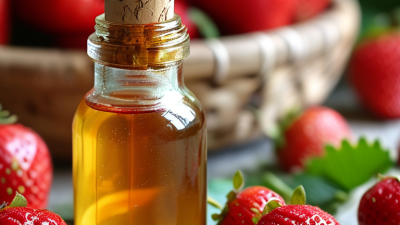
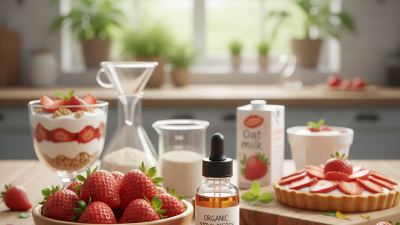
Choosing the right strawberry flavor extract can enhance your culinary creations. With so many options available, it can be overwhelming. Whether you're baking or making beverages, a quality extract is essential for achieving the desired taste.
Consider the different varieties and types of strawberry flavor extract on the market. Some may offer a concentrated flavor, while others tend to be milder. Look for extracts made from real strawberries. They often provide a deeper, more authentic taste. Read the labels carefully; artificial flavors can lead to disappointment.
Keep in mind your intended use for the extract. If you’re making ice cream, a stronger extract might be needed. If you're adding it to a salad dressing, a subtle flavor would suffice. Experimenting with different brands can reveal personal preferences. Ultimately, choosing the best strawberry flavor extract involves understanding both the product and your culinary goals.
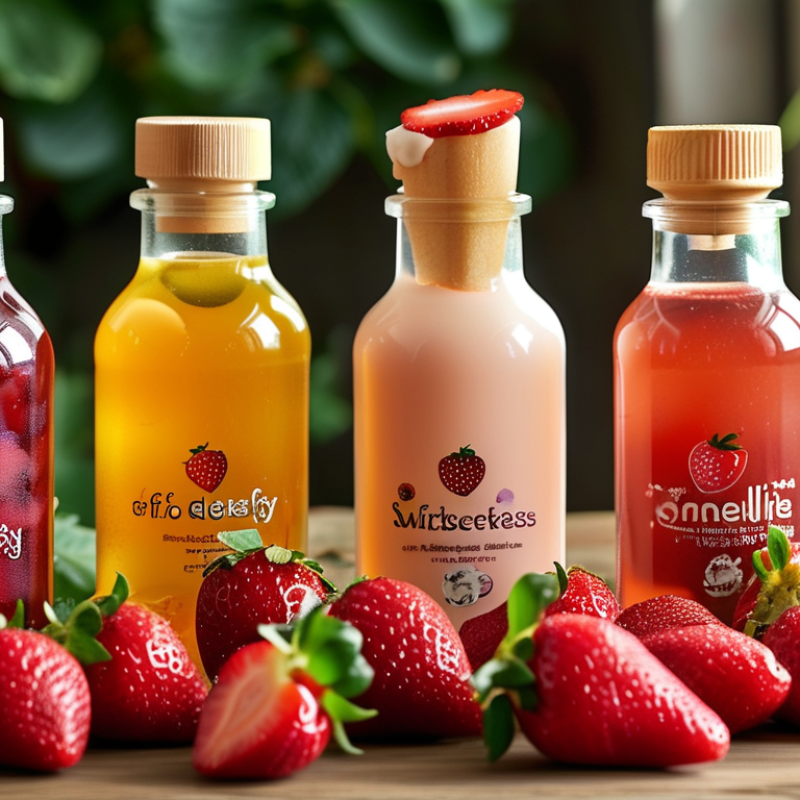
Understanding Different Types of Strawberry Flavor Extracts
When selecting strawberry flavor extracts, it's crucial to understand the differences among various types. Natural extracts, often derived from real strawberries, provide a true-to-fruit taste. They can enhance baked goods, beverages, and even yogurt. However, natural extracts may have a subtle flavor profile. This might leave some users wanting more intensity.
Artificial extracts, on the other hand, are created in labs. They often deliver a stronger, more concentrated flavor. This can be beneficial for recipes needing an extra punch. Despite being cost-effective, some people may find them less authentic. It's essential to weigh these factors when making a decision.
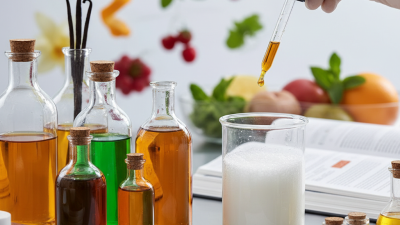
Additionally, consider the form of extract. Liquid extracts are versatile and easy to mix into different recipes. Powdered forms can be great for dry mixes, lending convenience without altering moisture levels. Experimenting with both can reveal which suits your needs best. Reflect on your past experiences with flavorings. What has worked well? What aspects fell short? Such considerations can guide you to the perfect strawberry extract for your culinary creations.
How to Choose the Best Strawberry Flavor Extract for Your Needs? - Understanding Different Types of Strawberry Flavor Extracts
| Type of Extract |
Flavor Profile |
Best Use Cases |
Concentration |
Shelf Life |
| Natural Strawberry Extract |
Fresh, fruity, and sweet |
Baking, ice cream, beverages |
Medium |
2 years |
| Synthetic Strawberry Flavor |
Intense, candy-like sweetness |
Confectionery, snacks |
High |
3 years |
| Organic Strawberry Extract |
Rich, pure flavor |
Health foods, organic products |
Medium |
18 months |
| Strawberry Flavor Concentrate |
Very potent, balanced sweetness |
Beverages, sauces, desserts |
Very high |
3 years |
| Strawberry Flavoring Powder |
Sweet, fruity, slightly tart |
Dry mixes, baking |
Low |
2 years |
Factors to Consider When Choosing Strawberry Flavor Extracts
When selecting a strawberry flavor extract, consider several important factors. The source of the extract greatly influences its quality. Many extracts derive from real strawberries, which enhance flavor authenticity. According to a study from the Flavor Extracts Association, high-quality extracts contain around 90% fruit content. This high concentration ensures a richer taste profile and validates the product's authenticity.
Another factor to assess is the extraction method. Methods like steam distillation and solvent extraction can impact flavor intensity. A report by the Global Flavor Market Research noted that cold-pressed extracts maintain more natural compounds. Ensure the method aligns with your needs for purity and flavor strength.
It's also essential to check for potential allergens or additives. Some extracts may include artificial flavors or preservatives, which could affect health and taste. Data from the Food Safety Authority indicates that up to 30% of consumers prefer clean-label products. Reflecting on personal preferences in terms of flavor intensity and ingredient transparency can guide the decision-making process. Look for extract options that align with your vision, while also keeping in mind the variability of consumer preferences.
Comparison of Key Factors in Strawberry Flavor Extracts
Comparing Natural vs. Artificial Strawberry Flavor Extracts
When selecting a strawberry flavor extract, the debate between natural and artificial options is significant. Natural strawberry extracts are derived from real fruit, utilizing processes like steam distillation or solvent extraction. According to a report by the Flavor and Extract Manufacturers Association, natural flavors are favored for their authenticity. They tend to provide a fresher, more vibrant taste, making them ideal for gourmet applications. However, their higher cost can be a barrier for some manufacturers.
On the other hand, artificial strawberry extracts are synthetically produced. They often contain compounds like ethyl methylphenylglycidate, which mimic the essence of the fruit. A study published in the Journal of Food Science noted that artificial flavors can provide consistent taste profiles at a lower cost. This makes them appealing for bulk products, such as candies or baked goods, where uniformity is crucial. However, they may not capture the complex flavor profile of fresh strawberries, leading to a less authentic experience.
Choosing between these options requires careful consideration of your intended use and budget. Some users may prefer natural extracts for homemade jams or artisanal confections. Others might lean towards artificial flavors for mass-produced items. Moreover, evolving consumer preferences reveal a growing inclination towards transparency in food sourcing. This trend challenges manufacturers to rethink their strategies in flavor extraction.
Assessing the Concentration and Usage of Strawberry Flavor Extracts
When selecting strawberry flavor extracts, concentrate on their concentration and intended usage. The strength of an extract can significantly affect your recipes. A high-concentration extract will deliver a more potent flavor, which may be perfect for baking. Conversely, a lower concentration might suit beverages or light dishes better.
Understanding your project's needs is essential. For instance, if you're crafting a delicate dessert, a subtle extract may enhance the flavor without overpowering it. Always consider how the strength of the extract will mesh with other ingredients. Testing in small batches can help refine your approach.
Flavor extracts are not one-size-fits-all. Experimentation can reveal how well they integrate into your culinary creations. Reflect on your previous experiences with different extracts. Some might not have provided the desired result, prompting you to rethink your choices. Pay attention to your taste preferences as well. Your personal flair plays a pivotal role in achieving the perfect flavor balance.
Reading Labels: Key Ingredients to Look for in Strawberry Extracts
When selecting a strawberry flavor extract, it’s crucial to read the labels carefully. Look for natural ingredients over artificial ones. Natural extracts often provide a more authentic flavor. Check for any added sugars or preservatives; these can alter the taste and quality. Ideally, the ingredient list should be short and straightforward.
Pay attention to the alcohol content in the extract. Some extracts use alcohol as a solvent, which can affect flavor intensity. Non-alcoholic extracts are available and may be preferred, especially for children or specific dietary needs. Additionally, consider the sourcing of the strawberries. Those sourced from organic farms typically offer better flavor profiles.
It’s worth noting that not all extracts are created equal. Some may lack the boldness you seek. Sampling different brands can help identify personal preference. Experimenting with various concentrations also plays a role. A higher concentration might deliver stronger flavors, but it can also overpower your dish. Taste testing can guide you in finding the balance that meets your culinary needs.