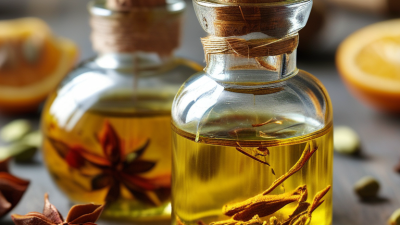

For global buyers, define natural flavors as flavoring materials derived from permitted plant, animal, or microbial sources. The exact meaning can change across markets. Regulatory wording matters.
Dr. George A. Burdock, a recognized flavor science author, states, “Natural flavoring substances are obtained from plant or animal sources.” This principle remains useful in 2026. However, origin alone does not prove quality, safety, or commercial value. Buyers should examine production methods, carriers, allergen statements, certificates, and traceability records.
The leading natural flavor categories include citrus oils, fruit extracts, botanical flavors, vanilla, mint, spice, and savory profiles. Fermentation-derived flavors are also gaining attention. They can support cleaner labels and stable supply strategies. Citrus brings bright notes to sparkling drinks. Vanilla rounds dairy alternatives and bakery fillings. Botanical flavors add herbal complexity to functional beverages.
Procurement teams should request batch samples and compare them in the final product matrix. A flavor that performs well in water may weaken in a protein drink. That detail is often overlooked. Pricing can also change sharply after harvest disruptions or transport delays. Regional documentation creates another challenge.
A practical definition must include source, processing, intended use, and compliance evidence. It should not depend on marketing language alone. Some buyers may still treat “natural” as automatically superior. That assumption deserves review. Responsible sourcing, sensory performance, and transparent documentation provide stronger confidence for 2026 purchasing decisions.
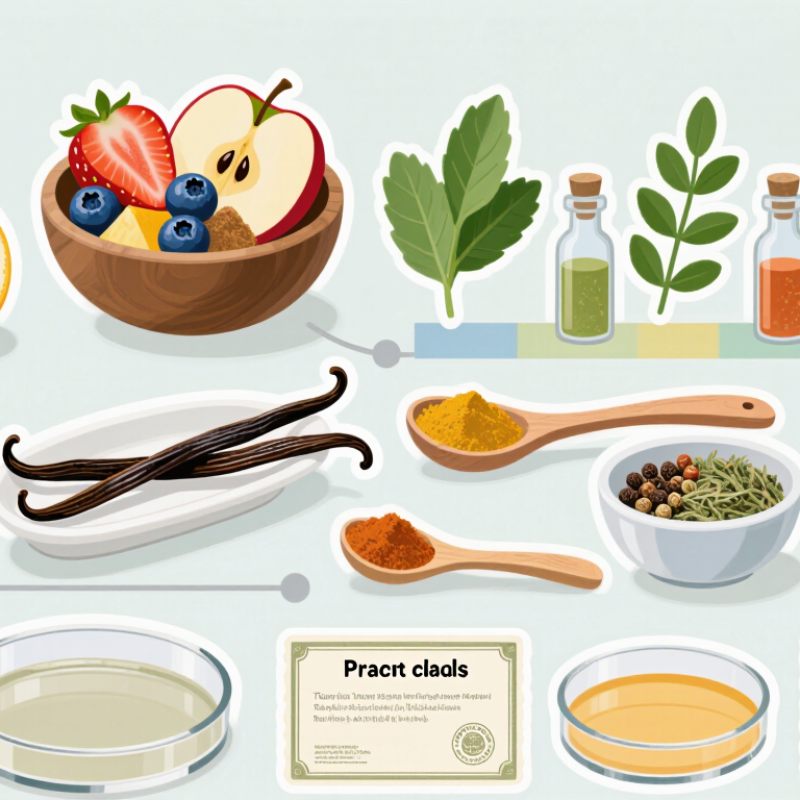
Natural flavors are flavoring ingredients obtained from natural sources, such as fruits, herbs, spices, vegetables, dairy materials, or fermentation products. Their main purpose is to provide taste or aroma, not nutrition. Common production methods include extraction, distillation, roasting, fermentation, and enzymatic processing.
The definition is not identical worldwide in 2026. Some markets accept a broader category called natural flavor, while others require a named source or a specific percentage from that source. For global buyers, “natural” should never be treated as a universal promise. Check the destination market, product category, labeling rules, and permitted processing aids.
A reliable specification should show the source, manufacturing process, carrier materials, allergen status, and traceability records. It should also explain whether the flavor comes from one source or a blended natural system. In practical purchasing work, I compare the technical file with the label claim and the sensory sample. They do not always match perfectly. A bright strawberry note may come from several natural components, not only strawberries.
That detail deserves reflection. Natural does not automatically mean simple, safer, or better tasting. Storage, heat, acidity, and dosage can change performance. Buyers should request recent certificates, batch information, and clear regulatory statements before approval. Definitions continue to evolve, and supplier explanations may be incomplete. Good documentation remains more dependable than attractive wording.
Global buyers usually prioritize natural flavor types that combine broad consumer appeal, stable supply, and clear labeling. Citrus, vanilla, berry, tropical fruit, and spice profiles remain commercially important across beverages, dairy, bakery, and confectionery. Grand View Research estimated the global natural flavors market at approximately USD 8 billion in 2023, with continued growth expected through 2030. That expansion reflects demand for recognizable ingredients and more authentic taste experiences.
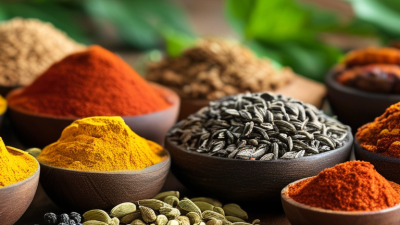
Citrus flavors, especially lemon, orange, and lime, offer strong versatility and refreshing sensory impact. Vanilla remains valuable in dairy, bakery, and plant-based applications, although harvest volatility can affect pricing. Berry and tropical fruit flavors help create vivid products, but their natural extracts may vary by season and origin. Spice flavors, including cinnamon, ginger, and cardamom, support both sweet and savory formulas. Botanical types are also gaining attention, particularly in functional beverages and low-sugar products.
Supply details matter as much as flavor popularity. Buyers should review extraction methods, allergen statements, country-of-origin records, and batch consistency. The International Trade Centre’s market data shows that agricultural ingredient trade remains exposed to weather and logistics disruptions. That risk is easy to underestimate. Natural does not always mean simple. Flavor classification also differs between regulatory systems, so technical teams should verify local requirements before approval. A 2024 consumer survey from the International Food Information Council found that ingredient familiarity strongly influences food choices, but consumer understanding is not perfect. Buyers may need clearer documentation and more practical sensory testing than expected.
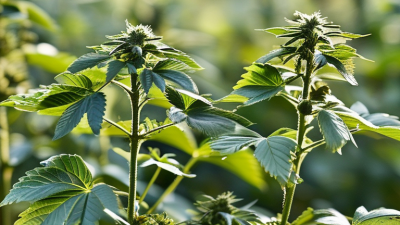
Natural flavors begin with a verifiable source. Citrus oils may come from fresh peels, while vanilla flavor can originate from cured beans. Herbs, spices, fruits, and edible flowers also provide useful aromatic compounds. Buyers should request botanical identity, country of origin, harvest details, and contaminant testing. Supply conditions change each season.
Extraction depends on the raw material and the target aroma. Cold pressing can preserve bright citrus notes. Steam distillation suits volatile oils from herbs and spices. Water or food-grade ethanol may extract softer compounds from fruits and botanicals. Supercritical carbon dioxide can produce concentrated extracts with limited heat exposure. Each method changes color, intensity, and cost.
Formulators then balance the extract with a suitable carrier, such as water, oil, or a dry powder base. Emulsions can disperse oil-soluble flavors in beverages. Encapsulation may protect delicate aromas during storage and processing. A practical formulation review checks pH, temperature, light exposure, packaging, and shelf life. Small pilot batches matter. Laboratory results can miss real production problems.
Reliable documentation should include specifications, allergen statements, residual-solvent data, microbiological results, and traceability records. Regulatory definitions differ across markets, so one certificate may not satisfy every buyer. Sensory testing with the finished product is essential. An extract that smells excellent alone may disappear in a baked filling. Some aroma loss is unavoidable, and that deserves honest discussion rather than optimistic wording.
Natural flavors in 2026 include essential oils, extracts, distillates, and fermentation-derived flavoring substances. Their source may be botanical, animal, or microbial, depending on local rules. “Natural” does not mean risk-free or automatically acceptable worldwide.
Quality begins with identity and traceability.
Buyers should request a clear specification, allergen statement, certificate of analysis, country of origin, and processing details.
Check residual solvents, heavy metals, pesticides, microbiological limits, and shelf-life stability.
Supplier controls should include good manufacturing practices, hazard analysis, batch coding, and documented recall procedures.
Paperwork matters.
Safety evidence must match the intended food use.
A flavor approved in one market may require a different assessment elsewhere.
In the United States, natural flavor labeling follows federal definitions and ingredient rules.
In the European Union, flavorings must meet specific authorization and labeling requirements.
Other markets may follow national standards, Codex guidance, or both.
Labels can be surprisingly difficult.
Carriers, additives, allergens, and processing aids may trigger separate declarations.
“Natural flavor” may be acceptable in one country, while another requires a more specific description.
Claims such as “clean,” “organic,” or “non-GMO” need independent support.
Do not rely on an old label template.
Regulations change, and translations can create new errors.
Even experienced teams miss details.
A local regulatory review is still necessary before shipment.
Global buyers should evaluate natural flavor suppliers through evidence, not attractive descriptions. “Natural” can have different legal meanings across markets, so request the exact composition and intended use. Check the supplier’s technical data sheet, certificate of analysis, allergen statement, and regulatory declarations. Ask where each botanical, fruit, or spice originates.
A reliable supplier explains extraction methods, carrier materials, shelf life, and batch traceability. Review production records when possible. A site audit can reveal practical details, such as storage temperature, cleaning controls, and sample retention. It is easy to overlook these points. I once found that a promising sample changed noticeably after two weeks in a warm beverage base. Laboratory data alone did not predict that result.
Evaluate products in the finished application, not only in water. Test flavor strength, heat stability, acidity tolerance, color changes, and interaction with sugar or minerals. Request several production batches, then compare aroma and taste under identical conditions.
Suppliers should provide realistic dosage guidance and explain normal batch variation. Be cautious when performance claims lack test conditions. A flavor that performs well in a cold drink may fade during baking.
Global buyers should also confirm packaging integrity, shipping conditions, documentation language, and response times for technical questions. Good communication is part of product quality.