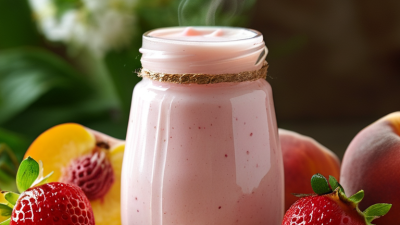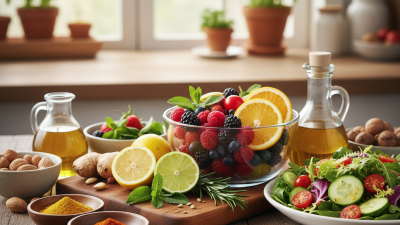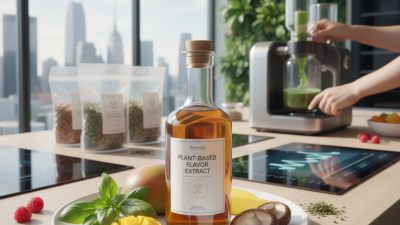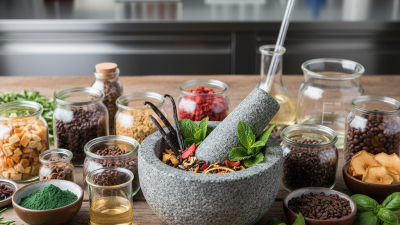

The phrase “natural flavor” often sounds reassuring, like citrus peel, vanilla pods, or crushed mint leaves. Yet the label can describe a much broader process. Natural flavoring may begin with plant, fruit, spice, or fermentation materials. It can then be concentrated, purified, blended, and carefully standardized. The final ingredient may look nothing like its original source.
This is why consumers keep asking, “Are flavors really natural?” John E. Hallagan, a longtime flavor-industry expert and former senior executive at the Flavor and Extract Manufacturers Association, has stressed an important caution: “Natural does not automatically mean better.” That sentence deserves attention. Natural origin does not guarantee lower allergen risk, stronger nutrition, or greater environmental value. It also does not mean an ingredient was untouched.
Our guide examines ten common natural flavor types, including vanilla, citrus, fruit, spice, herb, smoke, and fermentation-derived flavors. Each section follows the ingredient from source to finished product. We consider extraction methods, processing aids, labeling language, and practical evidence. A vanilla flavor may come from cured beans, but another may come from a natural precursor processed through fermentation. Both can fit regulatory definitions in some markets.
The details are not always comfortable. “Natural” is a technical term, not a promise of purity. Definitions vary across countries, and packaging rarely explains every processing step. Readers should question attractive wording, check certification claims, and compare ingredient statements. There is no perfect shortcut here. Better understanding begins with fewer assumptions.
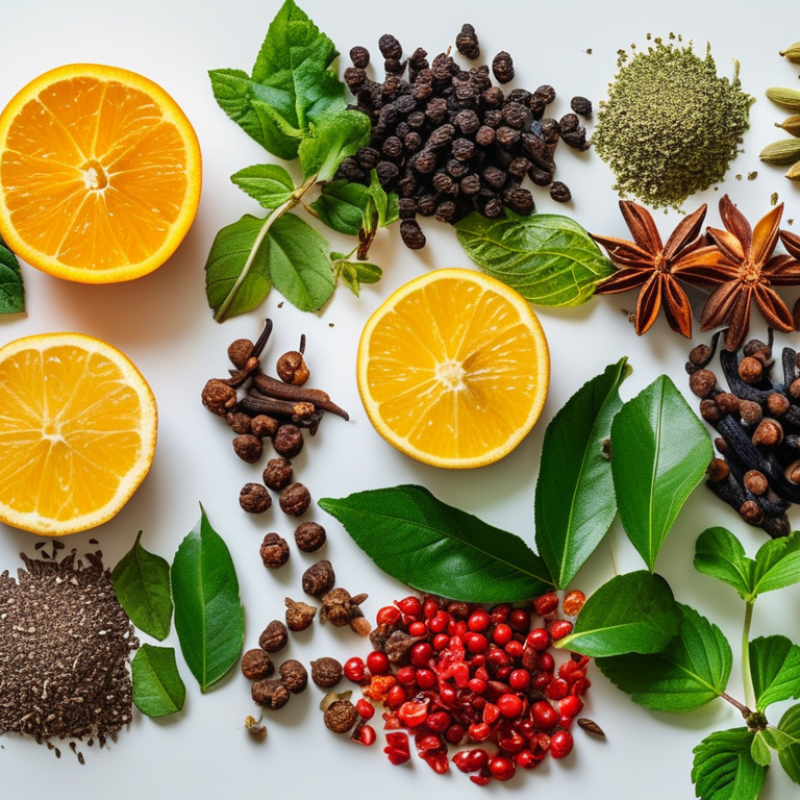
“Natural flavor” sounds simple, but food labeling rules make it more specific. Under U.S. FDA regulation 21 CFR 101.22, a natural flavor must come from plant, animal, or fermentation sources. Its main purpose must be flavoring, not nutrition. Common types include citrus oils, fruit extracts, spice oleoresins, herb distillates, vanilla extract, cocoa extract, coffee extracts, yeast-derived flavors, roasted notes, and fermentation products. They may be concentrated, heated, blended, or purified before reaching a finished food.
That is the difficult part.
A natural flavor is not automatically organic, minimally processed, safer, or healthier. The label may legally use “natural flavor” instead of naming every source, especially when the ingredient’s role is flavoring. Processing can also change the original material considerably. A 2024 market analysis estimated the global natural flavors sector at roughly US$8 billion in 2023. Forecasts vary widely, partly because definitions differ across markets. That uncertainty matters.
In practical label reading, I look for the broader ingredient context. A natural flavor inside a product can sit beside high sugar, sodium, or saturated fat. The flavor itself may be natural, while the overall food is not especially wholesome. I also find the word “natural” emotionally persuasive, perhaps more than it deserves. The FDA definition provides legal boundaries, not a complete nutrition judgment. For sensitive consumers, manufacturers may provide more detail through technical documents or direct inquiries, but public labels remain limited.
Top 10 Natural Flavor Types: Are They Really Natural?
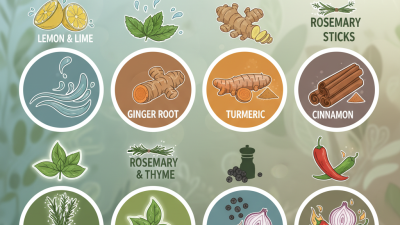
Natural flavors begin with recognizable materials, but their final form may involve careful extraction and purification. Vanilla flavor usually comes from cured vanilla beans, while citrus flavor comes from orange, lemon, or lime peels. Mint flavor is taken from mint leaves, often through steam distillation. Almond flavor can originate from almond kernels, although allergen controls remain important.
Coffee flavor starts with roasted coffee beans. Cocoa flavor comes from fermented and roasted cocoa beans. Cinnamon flavor is extracted from tree bark, and ginger flavor comes from the plant’s underground rhizome. Berry flavors may use strawberries, raspberries, or blueberries, including their juices and concentrated extracts. Maple flavor can come from maple sap or carefully prepared maple extracts. Smoke flavor may originate from hardwood, but its processing and permitted use vary by location.
Natural does not automatically mean unprocessed, healthier, or stronger. Food technologists may concentrate, filter, or blend natural compounds to achieve consistent taste. I have found that ingredient labels often need careful reading. The original source can be natural, yet the finished flavor may contain several approved components. This list is useful, but not perfect. Crop varieties, extraction methods, and regional rules can change the result. Reliable producers should document sourcing, test purity, and manage allergens throughout production.
Natural flavors can come from botanical, animal, microbial, or smoke-derived materials. The chart shows ten common flavor types and the number of representative original source materials commonly documented for each category. These values indicate source diversity, not market share or flavor intensity.
Top 10 Natural Flavor Types: Are They Really Natural?
Natural flavors can begin with citrus peels, vanilla beans, herbs, spices, fruits, or fermented materials. Extraction may use pressing, steam distillation, solvent extraction, or carbon dioxide technology. The result is rarely a raw ingredient. It is usually filtered, concentrated, standardized, and blended for consistent taste. In practical formulation, one orange extract may contain several fractions, each adding aroma, bitterness, or freshness. Small details matter.
U.S. regulations define natural flavor by its source, not by minimal processing. The FDA’s Food Labeling Guide explains that plant and animal materials can qualify after suitable extraction or processing. That definition needs careful reading. According to Grand View Research’s 2024 market outlook, the natural flavors market is expected to grow at roughly 7% annually through 2030. Demand is rising, but “natural” does not automatically mean simple, local, or nutritionally superior. I would not describe every natural flavor as untouched. That assumption is imperfect.
Tips: Ask for the source material, extraction method, carrier ingredients, and processing steps. Review the supplier’s technical data sheet and certificate of analysis. The International Organization of the Flavor Industry’s 2023 guidance emphasizes traceability and responsible safety evaluation. Also check whether the flavor is an extract, distillate, oleoresin, or blend. Two liquids can smell similar, yet differ greatly in origin and composition. A transparent explanation is better than a romantic one.
| Natural Flavor Type | Typical Natural Source | How It Is Commonly Extracted | Refining or Concentration | How Blending Is Used | Common Applications | Is It Always “Natural”? |
|---|---|---|---|---|---|---|
| Citrus Oils | Peels of oranges, lemons, limes, and grapefruit | Cold pressing, abrasion, or steam distillation of the peel | Filtration, centrifugation, evaporation, and fractionation can remove solids, water, or selected volatile components | Different oil fractions may be combined to balance freshness, bitterness, and stability | Soft drinks, confectionery, baked foods, sauces, and dairy products | Usually derived from plant material, but the final regulatory classification depends on the source and processing method |
| Vanilla Extract | Cured vanilla beans | Percolation or maceration in a water-and-ethanol solvent system | Filtration and controlled evaporation may adjust strength; some extracts are standardized for flavor intensity | Extracts, vanilla oleoresins, and other natural fractions can be blended for consistent aroma | Ice cream, chocolate, bakery products, beverages, and desserts | An extract made from vanilla beans is natural; a product labeled only “vanilla flavor” may have different regulatory requirements |
| Herb and Spice Extracts | Basil, rosemary, mint, cinnamon, clove, pepper, and related botanicals | Steam distillation, solvent extraction, supercritical carbon dioxide, or pressing | Clarification, solvent removal, drying, and concentration help control color, strength, and volatile compounds | Extracts may be blended to reproduce a broader whole-spice or fresh-herb profile | Seasoned foods, meat alternatives, sauces, snacks, beverages, and dressings | Natural origin does not mean the ingredient is unprocessed; extraction and carrier materials still matter |
| Fruit Juices and Concentrates | Apple, berry, grape, mango, peach, and other fruits | Crushing, pressing, clarification, and separation of juice from pulp and solids | Vacuum evaporation, membrane filtration, and aroma recovery can produce concentrates while limiting heat exposure | Juice bases, recovered aroma fractions, and acid or sweet components may be recombined | Beverages, fillings, yogurt, confectionery, sauces, and frozen desserts | A fruit-derived flavor is generally natural, but a concentrate may contain permitted processing aids or added carriers |
| Oleoresins | Ground spices such as paprika, black pepper, ginger, and turmeric | Extraction with food-compatible solvents or supercritical carbon dioxide | Solvent removal, filtration, concentration, and standardization produce a stable mixture of volatile oils and nonvolatile compounds | Different batches or fractions may be blended to achieve consistent pungency, aroma, and color | Savory foods, snacks, marinades, sauces, and spice blends | Oleoresins can be natural flavor ingredients, although they are significantly more concentrated than the original spice |
| Roasted and Reaction Flavors | Sugars, amino acids, yeast extracts, grains, and other edible food materials | Controlled heating can create aroma compounds through caramelization and Maillard reactions | Filtration, concentration, drying, and removal of unwanted volatile or nonvolatile components may be used | Roasted, savory, smoky, or caramel-like fractions may be combined to build a layered flavor | Coffee-style beverages, baked foods, soups, gravies, snacks, and plant-based foods | It may qualify as natural when produced from appropriate natural starting materials and under applicable regulations; “natural” does not mean raw or unheated |
| Fermentation-Derived Flavors | Fermented plant sugars, fruits, grains, dairy substrates, or other food-derived materials | Microorganisms convert nutrients into aroma compounds under controlled conditions | Distillation, filtration, adsorption, concentration, or crystallization can isolate and purify target compounds | Several fermentation fractions may be blended to create fruit, dairy, buttery, or savory profiles | Beverages, dairy alternatives, bakery products, confectionery, and savory foods | Regulatory treatment depends on the microorganism, substrate, process, and jurisdiction; fermentation is not automatically synthetic |
| Smoke Flavor | Smoke produced from selected hardwoods or other permitted plant materials | Controlled pyrolysis produces smoke condensate, which is collected in water or another suitable medium | Filtration and fractionation reduce ash, tar, and certain undesirable compounds; safety evaluation is required | Condensates may be diluted or blended to control smoke intensity, color, and sensory balance | Meat substitutes, sauces, snacks, cheeses, marinades, and ready meals | It can be naturally sourced, but the term “natural” does not eliminate the need to control combustion-related contaminants |
| Floral and Botanical Extracts | Rose, jasmine, lavender, chamomile, hibiscus, and other edible botanicals | Water or ethanol extraction, steam distillation, solvent extraction, or enfleurage-type methods | Clarification, solvent removal, concentration, and removal of waxes or pigments may be used | Floral fractions can be blended with fruit, citrus, herb, or sweet notes to soften intensity | Teas, confectionery, beverages, desserts, and specialty bakery products | Only botanicals suitable for food use should be used; “natural” refers to source and processing, not automatically to safety |
| Natural Flavor Compounds from Plant or Animal Sources | Specific edible plant tissues, fruits, spices, dairy materials, or other approved natural sources | Isolation through distillation, extraction, pressing, enzymatic processing, or other permitted physical methods | Purification and standardization may produce a single predominant compound or a defined fraction | Individual natural compounds are blended with extracts, oils, or carriers to reproduce a target flavor profile | Nearly all food categories, including beverages, bakery, dairy, confectionery, and savory products | A compound may be chemically identical to one made synthetically, but its regulatory designation depends on how and from what source it was obtained |
Important note: “Natural flavor” is a regulatory term rather than a guarantee that an ingredient is raw, minimally processed, organic, or nutritionally superior. Definitions and labeling rules vary by jurisdiction, and the complete ingredient statement should be checked for the applicable market.
The word natural sounds simple, but flavor production rarely is. A natural flavor may begin with citrus peel, herbs, spices, fruit, or fermented materials. It can then pass through pressing, filtration, concentration, drying, or distillation. These methods change texture and strength, not necessarily the flavor’s natural classification.
Extraction with water, alcohol, or carbon dioxide is widely used. Enzymatic treatment and controlled fermentation may also qualify when they support traditional biological processes. Steam distillation can capture delicate aromatic compounds from leaves or peels. Imagine a clear vapor condensing into a fragrant liquid. It is processed, but not automatically artificial. The source and local regulations still matter.
Some methods deserve closer inspection. A flavor may use carriers, preservatives, or processing aids that do not define its main aroma. Their presence can affect labeling and consumer expectations. Regulations differ between countries, so “natural” should never be judged by appearance alone. Documentation should trace the raw material, extraction method, additives, and final composition.
In practical evaluation, smell is only one clue. A bright lemon note may come from peel oil, concentrated juice, or fermentation. They can seem similar in a glass. Their production histories are not identical. I used to think fewer processing steps always meant greater naturalness. That assumption was too neat. A carefully controlled process can preserve authenticity better than careless handling of raw ingredients.
Top 10 Natural Flavor Types: Are They Really Natural?
Assessing a natural flavor claim requires more than reading a friendly label. Natural does not always mean simple, raw, or untouched. Its meaning can vary by jurisdiction and product category. A careful review should begin with the ingredient statement, product specifications, and the flavor’s stated source. Ask whether the flavor comes from a plant, spice, fruit, fermentation process, or another permitted source. Then check how that source was processed.
Supplier documentation matters. Look for a certificate of analysis, allergen statement, traceability records, and a clear description of the manufacturing method. The paperwork should connect the finished flavor to its original material. Vague phrases create doubt. They do not prove deception, but they deserve questions. Documents can also become outdated, which is easy to overlook.
Sensory evaluation adds useful evidence. Compare the flavor with the named food, such as a sliced lemon or crushed vanilla bean. Note the aroma, aftertaste, color, and stability after heating. Testing can identify selected compounds, but no single test proves complete authenticity. That is the uncomfortable part. Even experienced reviewers can overvalue a convincing smell or attractive paperwork. A stronger assessment combines records, analytical results, supplier answers, and independent verification. Keep a written trail of every decision. That makes the claim easier to examine, correct, and trust.