
Loading...

2026 Best Natural Flavors in Drinks for Global Buyers

As global beverage markets evolve in 2026, natural flavors in drinks are becoming a practical sourcing priority. Buyers want recognizable ingredients, consistent taste, and dependable supply. They also expect clear documentation from origin to finished beverage. A citrus note may suggest a fresh orange peel, while a berry profile can resemble ripe fruit in a chilled bottle. These details influence consumer trust and repeat purchases.

This guide examines the best natural flavors in drinks for international buyers, including citrus, tropical fruit, botanical, tea, spice, and natural sweet flavor profiles. It considers sensory performance, formulation flexibility, shelf stability, and compatibility with carbonated, still, functional, and low-sugar beverages. Supplier experience matters. So does technical evidence. Certificates, allergen statements, traceability records, and regulatory support should be reviewed before approval. Natural flavor definitions differ across markets, so one label cannot safely fit every country.

Taste comes first.

However, flavor selection is rarely perfect. A vibrant natural extract may fade during pasteurization. A botanical blend may perform well in trials but taste uneven after storage. Logistics can also change the final cost or delay a launch. Careful buyers should test samples under real production conditions, not only in small laboratory glasses. This introduction sets a realistic foundation for comparing flavor options, evaluating suppliers, and making informed decisions across global beverage markets. Performance claims should remain measurable, transparent, and relevant to the intended application.
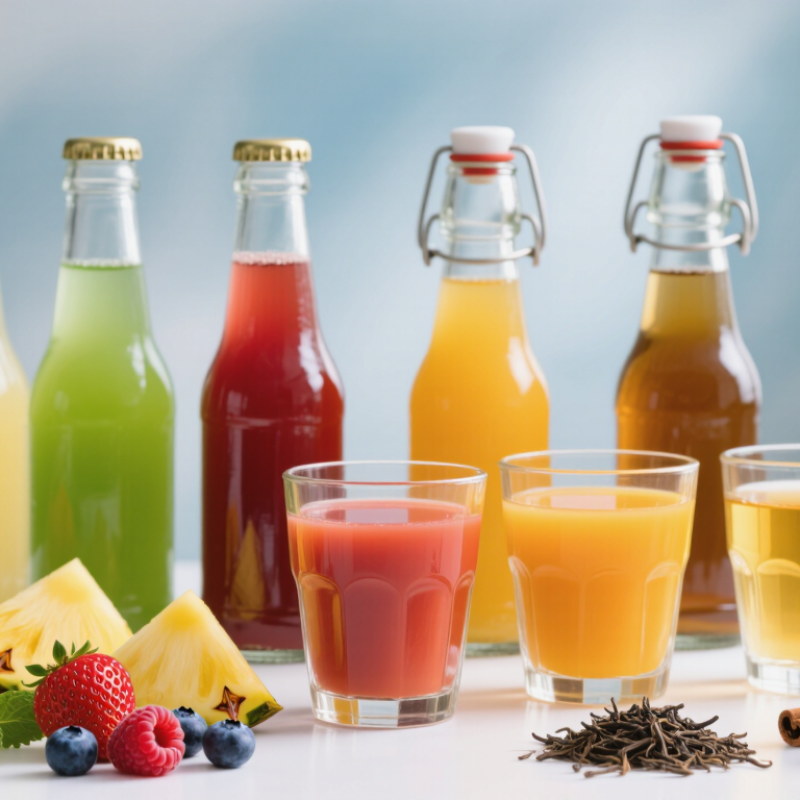
2026 Best Natural Flavors in Drinks for Global Buyers

Natural Flavor Basics and Their Role in Modern Beverages

Natural flavors are concentrated aromatic substances obtained from botanical, fruit, spice, or other permitted natural sources. They give beverages recognizable notes, such as bright citrus, ripe peach, cooling mint, or warm ginger. Natural does not always mean simple. A flavor may contain several carefully balanced components.

Regulatory definitions differ across markets. Global buyers should verify the declared flavor category, source materials, carrier substances, allergen status, and documentation. A reliable supplier should provide specifications, batch records, shelf-life data, and storage guidance. This evidence supports safer purchasing decisions and smoother label reviews.

Small tests matter. Add the flavor to the actual beverage base, not only to water. Acidity, sugar, minerals, carbonation, and heat can change its performance. A citrus note may become sharp in a low-pH drink. A delicate berry aroma may fade after pasteurization. Sensory panels should check aroma, taste, aftertaste, and stability over time.

Real conditions reveal weaknesses.

Experience also shows that “natural” flavor claims can create unrealistic expectations. Natural extracts may vary between harvests, and some notes need technical adjustment for consistency. Buyers should discuss tolerances, replacement options, and supply continuity before approving a formula. No flavor system is perfect. A thoughtful review leaves room for improvement.

Key Natural Flavor Categories Used in Drinks

Natural flavors are becoming a practical tool for drink developers, not just a clean-label decoration. Grand View Research estimated the global natural flavors market at about USD 8 billion in 2023, with continued growth expected through 2030. However, market estimates differ by definition and product scope. Buyers should check the methodology before comparing figures.

In beverages, fruit flavors remain central. Citrus, berry, tropical fruit, and stone fruit can support sparkling water, juice drinks, and functional beverages. Botanical flavors add complexity, including mint, ginger, hibiscus, lavender, and rosemary. Tea-derived notes also work well in lightly sweetened drinks. Kerry’s 2024 Taste Charts highlighted growing interest in botanical, floral, and globally inspired taste profiles. Some profiles are promising. Others become medicinal quickly.

Spice and herb flavors suit wellness-style drinks, especially when paired with citrus or tea. Vanilla, cocoa, and roasted notes can improve dairy alternatives, coffee drinks, and protein beverages. According to Innova Market Insights, natural and better-for-you positioning continues to influence new product development across food and beverages. Yet “natural” has no single global legal definition. Flavor origin, carrier ingredients, labeling rules, and allergen controls require careful review in each market. Pilot batches matter. A flavor that performs well in laboratory water may fail after carbonation, pasteurization, or shelf storage.

2026 Best Natural Flavors in Drinks for Global Buyers - Key Natural Flavor Categories Used in Drinks

Practical reference table for beverage development, sourcing, and global formulation review

Natural Flavor Category Typical Natural Sources Main Sensory Profile Common Drink Applications Typical Flavor Format Key Formulation Considerations Global Buyer Notes
Citrus Orange, lemon, lime, grapefruit, mandarin, bergamot and other citrus peels or juices Bright, fresh, acidic, zesty and highly recognizable Carbonated soft drinks, sparkling water, energy drinks, sports drinks, iced tea, juice beverages and mixers Water-soluble emulsions, oil-soluble flavors, extracts and juice-based preparations Citrus oils can oxidize; emulsions may require clouding control and suitable homogenization. Acidity, light and oxygen influence flavor stability. Check allergen, solvent, carrier, pesticide-residue and citrus-oil documentation. Natural flavor definitions differ by market.
Berry Strawberry, raspberry, blueberry, blackberry, cranberry and other berry fruits Fruity, sweet, tangy, floral and sometimes slightly jammy Juice drinks, flavored water, kombucha-style beverages, dairy alternatives, smoothies and functional drinks Extracts, distillates, juice concentrates and water-soluble flavor systems Natural berry notes can vary by crop and season. Color may fade with heat, light, oxygen and changes in pH; flavor and color should be evaluated separately. Confirm whether the ingredient provides flavor, color, juice content or more than one function under the target country’s rules.
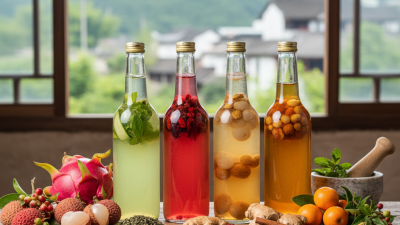
Tropical Fruit Mango, passion fruit, pineapple, guava, papaya, lychee and dragon fruit Ripe, exotic, juicy, floral, creamy or tart depending on the fruit Smoothies, carbonated drinks, ready-to-drink teas, coconut beverages, sports drinks and alcohol-free cocktails Juice preparations, extracts, distillates and compounded natural flavor systems Fruit solids can affect sedimentation, viscosity and microbial stability. Passion fruit and pineapple profiles may require acidity and aroma balancing. Request origin, harvest variability, Brix, acidity, microbiological specifications and supply-season information.
Apple, Pear and Stone Fruit Apple, pear, peach, apricot, plum and cherry Clean, crisp, juicy, soft, floral or lightly cooked-fruit character Ciders, juice drinks, sparkling beverages, iced teas, hydration drinks and fermented beverages Juice concentrates, extracts, distillates and water-soluble flavor preparations Oxidation can create browning or stale notes in fruit systems. Clarification, deaeration and pH control may be needed. Clarify whether the product is a flavoring, juice ingredient or both; these classifications can change declaration and compositional requirements.
Herbal and Botanical Mint, basil, rosemary, sage, hibiscus, chamomile, lavender and lemongrass Green, cooling, floral, earthy, aromatic or mildly bitter Botanical waters, iced teas, wellness drinks, sparkling drinks, kombucha-style beverages and non-alcoholic cocktails Infusions, extracts, essential oils and steam-distilled fractions Botanical composition can vary with species, plant part and extraction method. Some extracts introduce bitterness, haze or sediment. Review permitted-use lists, maximum levels, botanical identity, contaminants, pesticide residues and any medicinal-claim restrictions.
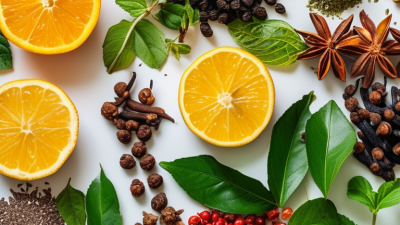
Ginger and Warm Spice Ginger, cinnamon, cardamom, clove, nutmeg, black pepper and turmeric Warming, spicy, pungent, woody, sweet and sometimes peppery Ginger drinks, chai-style beverages, winter beverages, functional drinks, juices and alcohol-free mixed drinks Extracts, oleoresins, essential oils and water-dispersible preparations Spice extracts may be intense and can create insolubility, haze or sediment. Heat treatment and acidity can alter pungency and balance. Verify botanical identity, extraction solvent, contaminant controls and applicable limits for active constituents.
Tea and Coffee Black tea, green tea, oolong tea, white tea, roasted coffee and chicory Roasted, tannic, floral, grassy, malty, smoky or cocoa-like Ready-to-drink tea, cold brew, coffee beverages, energy drinks and plant-based beverages Infusions, extracts, distillates and natural flavor top notes Tannins can contribute bitterness and astringency. Caffeine, sediment, oxidation and thermal processing should be assessed during shelf-life testing. Separate flavor specifications from caffeine specifications and confirm labeling requirements for caffeine-containing products.
Vanilla and Cream Notes Vanilla beans, tonka-derived materials where permitted, dairy-derived notes and natural botanical extracts Sweet, creamy, smooth, balsamic and dessert-like Milk drinks, plant-based beverages, protein shakes, coffee drinks, dessert beverages and flavored waters Alcoholic or water-based extracts, emulsions and natural flavor compositions Vanilla supply and quality can vary significantly. Cream notes may require attention to emulsion stability, sweetness perception and allergen controls. Confirm vanilla content, extraction medium, allergen status and whether dairy-related wording is appropriate for the target market.
Floral Rose, elderflower, jasmine, violet, orange blossom and hibiscus Delicate, perfumed, sweet, fresh, tart or tea-like Sparkling waters, premium soft drinks, iced teas, botanical beverages and alcohol-free cocktails Infusions, extracts, distillates and water-soluble flavor systems Floral aromas are potent and can quickly become soapy or perfumed. Light, pH and heat may affect aroma retention and anthocyanin color. Check permitted botanical parts, food-grade status, identity testing and any restrictions on traditional or medicinal positioning.
Nut, Seed and Cacao Almond, hazelnut, coconut, sesame, peanut, cacao and other edible seeds or nuts Roasted, nutty, creamy, cocoa-like, toasted or mildly bitter Plant-based drinks, protein beverages, coffee drinks, chocolate beverages and nutrition products Extracts, distillates, emulsions and natural flavor preparations Oil-based materials may need emulsification. Oxidation can produce rancid notes; allergen cross-contact and sedimentation require strict controls. Request allergen statements, cross-contact controls, oxidation specifications, carrier details and documentation for food-safety compliance.
Buyer checklist: Confirm the regulatory definition of “natural flavor” in the destination market, ingredient declaration requirements, carrier and solvent information, allergen status, pesticide and contaminant controls, microbiological specifications, sensory consistency, shelf-life performance, packaging compatibility and minimum order requirements before approval.

How Natural Flavors Are Extracted and Formulated

2026 Best Natural Flavors in Drinks for Global Buyers

How Natural Flavors Are Extracted and Formulated

Natural flavors begin with raw materials, not a flavoring bottle. Citrus oils may come from cold pressing, while herbs can undergo steam distillation. Delicate fruits often need water or food-grade ethanol extraction. Supercritical carbon dioxide can capture aromas with limited heat. Each method changes strength, color, solubility, and shelf stability. Buyers should request the source material, extraction method, carrier details, and latest specification sheet.

Formulation starts with the drink itself. A flavor that works in still water may fade in sparkling water. Low pH can sharpen citrus notes, while heat may damage fragile top aromas. Technicians usually test several dosage levels in the actual beverage matrix. They also check sediment, ring formation, clouding, and flavor loss during storage. Not every clean-label trial succeeds. That failure is useful, though rushed testing can hide it. Small pilot batches and measured sensory notes support better decisions.

Tips: Ask for batch consistency, allergen information, origin records, and stability data. Test samples after heat exposure and refrigeration. Keep the formula simple, but not simplistic. A natural flavor may need a suitable emulsifier or carrier for even dispersion. Check local labeling rules before commercial launch, because “natural” definitions differ across markets.

Global Regulations and Labeling Requirements for Buyers

2026 Best Natural Flavors in Drinks for Global Buyers

Natural flavor sourcing is not only a taste decision. It is a regulatory project. Definitions differ between markets, so one ingredient may require different wording in each country. For example, “natural flavor” may be accepted in one jurisdiction, while another requires a more specific flavor category or source description. Buyers should confirm the rules before printing labels. Do not rely only on a supplier’s marketing sheet.

Your compliance file should include the ingredient specification, manufacturing process, allergen statement, safety data, certificate of analysis, and country-of-origin information when required. Check whether the flavor contains carriers, solvents, or processing aids that need declaration. Review sugar, caffeine, color, and botanical claims separately. “Natural” does not automatically mean exempt from labeling duties. A clean-looking label can still be incomplete.

Tips: Request market-specific label guidance from a qualified regulatory specialist. Keep approved artwork, supplier documents, and test records together. Ask for written confirmation when regulations are unclear. Review the formula again after any supplier or process change. This step is often missed. It should not be. A practical weakness is assuming one global label will work everywhere. In reality, translation, allergen rules, and permitted claims can change the final wording. Careful buyers leave room for correction.

How to Select Reliable Natural Flavor Suppliers in 2026

Global buyers need more than a pleasant first sip when choosing natural flavor suppliers in 2026. Grand View Research’s 2024 report estimated the global natural flavors market at about USD 8 billion in 2023. It also projected continued growth through 2030. This expansion attracts new suppliers, but capacity does not always equal consistency.

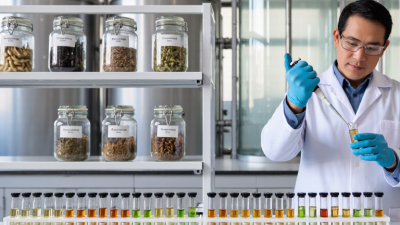
Ask for a current specification sheet, certificate of analysis, allergen statement, and traceability records. Verify whether each batch can be linked to a documented raw-material origin. Suppliers should explain extraction methods, carrier ingredients, shelf life, and storage conditions. Their quality system should align with HACCP and ISO 22000 principles. FAO/WHO JECFA evaluations can support safety reviews for relevant flavoring substances, while regional rules still require separate checks.

Taste is not enough. Request three production samples, not one laboratory sample. Test them in the final beverage, including acidity, heat treatment, carbonation, and two weeks of storage. Record aroma intensity, aftertaste, color changes, and sediment. A reliable supplier should provide realistic lead times and communicate deviations quickly. Some certificates look impressive but reveal little about sensory performance. I would not accept vague claims such as “clean” or “natural” without precise documentation. Small trials matter. Pricing also deserves reflection: the lowest quote may hide weaker traceability, higher dosage, or unstable supply. Suppliers who answer technical questions clearly are usually easier to audit and develop with over time.

2026 Best Natural Flavors in Drinks for Global Buyers

Supplier-selection benchmark for common beverage flavor categories. Scores use a 100-point weighted framework based on traceability, regulatory documentation, sensory consistency, and application support; they are evaluation scores, not market-share data.

How to read the chart: Citrus and berry profiles score strongly for broad beverage use, while tea and botanical flavors require more specialized application support. Global buyers should verify source documentation, allergen status, batch consistency, stability testing, and compliance with the destination market before approving a supplier.