
Loading...

China Best Organic Food Flavoring Manufacturers

Finding a dependable partner among China’s organic food flavoring manufacturers takes more than comparing prices or polished catalogs. Buyers should examine ingredient origins, production methods, certification documents, and the supplier’s ability to provide consistent batches. These details can shape both product quality and consumer trust.

An experienced manufacturer should be able to explain how a flavor is made, share relevant technical documents, and discuss its intended use in foods such as drinks, baked goods, or sauces. Ask for representative samples. A citrus flavor might smell bright in the bottle yet fade after baking or storage. Bench tests reveal that gap. Taste still decides.

This guide looks at practical ways to assess China-based suppliers, from product range and customization options to quality controls and communication. Organic claims deserve careful review: certification scope and requirements can differ by market, so verify current documents with the supplier and an appropriate certification body. A persuasive website is not proof on its own. Nor does one successful sample guarantee every future batch will match. That uncertainty is worth acknowledging.

The manufacturers discussed here should be treated as potential partners, not as a universal ranking. Compare specifications, request clear answers, and test products in your own formulation before making a purchasing decision. A measured evaluation can help buyers find an organic food flavoring supplier suited to their needs, while leaving room for questions that only real production trials can answer.

China Best Organic Food Flavoring Manufacturers

What Organic Food Flavorings Are and How They Are Made

Organic food flavorings are flavor ingredients made from agricultural sources grown and handled under an organic certification system. Common sources include citrus peel, herbs, spices, fruit, and botanical extracts. “Organic” refers to sourcing and processing controls; it does not automatically mean additive-free or more nutritious. Requirements vary by certification system, so documentation matters.

Production begins with checking and cleaning the raw ingredients. Producers may dry, grind, press, or extract them using water or other permitted processing methods. For example, citrus peel can be pressed to release aromatic oils, while dried herbs may be steeped to capture their flavor. The resulting extract is filtered and tested for aroma, consistency, and food safety. Small details matter. Heat can flatten delicate notes, and even good batches may differ slightly with harvest conditions.

Tips: Ask about the ingredient’s source, extraction method, and certification records. Taste it in the food you plan to make; flavor can change during baking or storage. “Organic” sounds simple, but the paperwork and processing details are worth checking.

China’s Organic Flavoring Industry and Its Main Product Categories

China’s organic flavoring industry serves food makers seeking recognizable ingredients and traceable sourcing. FiBL and IFOAM’s The World of Organic Agriculture 2024 reported global organic food and drink sales of €136.4 billion in 2022. China accounted for about €12.4 billion. These figures describe the wider organic market, not flavorings alone. That distinction matters: public data on China’s organic flavoring segment remains limited.

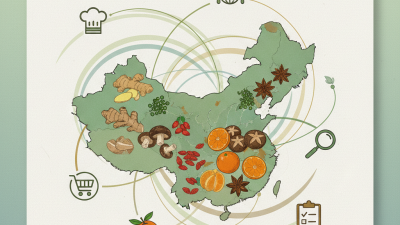
Main product categories include herb and spice extracts, citrus and other fruit flavors, botanical extracts, and essential oils. Think ginger warmth, dried peel, or a light mint note. Organic status depends on compliant sourcing and processing, not simply a “natural” label.

China’s GB/T 19630-2019 provides a national standard for organic products. Manufacturers also need reliable supplier records and batch-level traceability. A small detail can change a formula: extraction method affects both aroma and flavor stability.

Tips: Request current certificates and check whether they cover the specific ingredient and production site. Test each flavor in the finished recipe; a bright sample can taste muted after heating. Organic sourcing can also mean seasonal variation. That is manageable, but not always convenient.

Organic Standards and Certifications for Chinese Flavoring Manufacturers

For buyers comparing Chinese organic food flavoring manufacturers, certification is a practical starting point, not a complete quality guarantee. China’s organic product system uses GB/T 19630 as a key production standard, with certification conducted by authorized bodies. Ask suppliers for a current certificate, its product scope, and the certified production site. A certificate for an agricultural ingredient does not automatically cover a finished flavoring.

Check the ingredient list and production records. Flavorings may contain carriers, extracts, or processing aids, and each can affect organic eligibility. Traceability should connect incoming materials to batch numbers, processing dates, and finished goods. Paperwork matters. So does the factory floor: storage bins, cleaning records, and controls against mixing certified and conventional materials offer useful evidence. Export requirements can differ by destination, so confirm that the requested certification is accepted in your market.

Tips: batch record and verify the certificate with its issuing body. Compare the documents against the exact product name and site. If a supplier cannot explain how it separates organic materials during production, pause and ask for clearer evidence. In practice, records may look tidy while a small production detail remains unclear. That deserves a follow-up, not an assumption. Organic claims are strongest when certification, traceability, and day-to-day handling tell the same story.

China Best Organic Food Flavoring Manufacturers - Organic Standards and Certifications for Chinese Flavoring Manufacturers
Evaluation Dimension Standard or Certification What It Covers Evidence to Review Important Qualification
Organic production and processing in China GB/T 19630-2019, Organic Products — Requirements for Production, Processing, Labeling and Management System Requirements for organic production, processing, labeling, and management systems within its scope. Current organic certificate, product scope, certified processing site, and applicable audit records. A manufacturer is not automatically certified because it follows an organic standard. Verify the certificate, scope, validity, and certified site.
Organic certification and sale in China China Organic Product Certification rules and applicable national requirements Certification arrangements for products within the applicable organic product certification scope. Certificate details and verification through the relevant official certification information system; check product and activity scope. Certification and labeling requirements depend on the product, its intended market, and the current rules. Confirm that the specific flavoring is covered.
Organic product labeling in China Applicable Chinese organic labeling and mark requirements Use of the authorized organic mark and required certification information for products marketed as organic in China. Approved artwork, required organic code or traceability information where applicable, and label review records. Do not assume that “natural,” “plant-based,” or “made with organic ingredients” is equivalent to a certified organic claim.
Organic products for the United States USDA National Organic Program (NOP), 7 CFR Part 205 Organic production, handling, and labeling for products represented as organic in the United States. Valid NOP certification covering the relevant operation and product, or documentation of an applicable exemption. A Chinese organic certificate alone does not establish NOP compliance. Importers should verify the applicable U.S. certification and import documentation requirements.
Organic products for the European Union Regulation (EU) 2018/848 and applicable implementing rules Organic production, processing, control, and labeling for products marketed as organic in the EU. Valid certificate of inspection and operator certification documents, as applicable to the supply chain and product. Requirements depend on the product category, origin, and import route. Confirm the current rules with the importer or control body.
Organic products for Japan Japanese Agricultural Standards (JAS) for organic products Organic certification and labeling under the relevant Japanese standards for products marketed as organic in Japan. Applicable JAS certification and records supporting the product’s certification and labeling status. Certification under another jurisdiction’s organic program does not, by itself, authorize an organic claim in Japan.
Flavoring ingredient eligibility Applicable organic standard and market-specific ingredient rules Organic status of botanical, microbial, or other ingredients used in the flavoring, as well as permitted processing inputs. Ingredient specifications, supplier certificates, bills of materials, and records for carriers, solvents, and processing aids. The finished flavoring’s organic status depends on its full formulation and processing—not solely on the origin of its main flavor ingredient.
Mass balance and traceability Organic control and recordkeeping requirements under the applicable scheme Ability to trace certified inputs through receiving, storage, production, packaging, and dispatch. Lot codes, purchase and sales records, production batches, inventory reconciliation, and segregation procedures. A documented chain of custody helps demonstrate that certified ingredients were used in the stated quantities and kept identifiable.
Food safety management HACCP-based controls; ISO 22000 where adopted Food safety hazard analysis and management systems for food production and handling. Hazard analysis, control plans, monitoring records, corrective actions, and current management-system certificates where claimed. HACCP and ISO 22000 address food safety management; neither is an organic certification.
Allergen and cross-contact controls Applicable food safety and labeling requirements in the destination market Identification and control of relevant allergens and potential cross-contact during manufacture. Allergen matrix, cleaning validation or verification records, label review, and supplier declarations. Requirements and allergen lists vary by market. Review the finished product label against destination-country rules.
Supplier qualification Documented supplier approval and ongoing verification Checks that ingredient suppliers can support the required organic, identity, quality, and traceability claims. Supplier questionnaires, current certificates where applicable, specifications, test reports, and change notifications. Certificates should be checked for validity, scope, covered products, and named production or processing sites.
Organic claim wording Labeling rules of the destination market Whether terms such as “organic” or “made with organic ingredients” may be used and how they must be presented. Final label, percentage calculations where required, certificate scope, and market-specific regulatory review. “Natural flavor” describes a flavoring category in some jurisdictions and does not, on its own, mean the product is organic.

How to Evaluate Organic Food Flavoring Manufacturers in China

Evaluating organic food flavoring manufacturers in China starts with evidence, not polished brochures. Ask for current organic certificates and check that their scope covers the specific flavor, facility, and production process. Verify certificate details with the issuing body. Request product specifications, ingredient origins, allergen statements, and batch traceability records. A reliable supplier should explain how flavor carriers and processing aids are handled, rather than offering vague assurances.

Then test samples in the food you actually make. A citrus flavor can smell bright in a vial but fade in a baked product. Compare batches for aroma, taste, color, and performance at your intended dosage. Ask how the manufacturer controls blending, cleaning, and storage, and whether it can provide consistent batch records. Paperwork can look reassuring. It is not proof of a dependable batch. Factory visits or independent audits may reveal practical details, such as labeled storage areas and retained samples. Communication matters, too. Slow or unclear answers may become a bigger problem when specifications change. No evaluation is perfect; even careful sampling cannot predict every production variation. Keep that uncertainty in your supplier review.

China’s Organic Food Flavoring Manufacturers: Evaluation Scorecard

Suggested evaluation weights for comparing manufacturers (points out of 100)

Use these suggested weights as a starting point, not as market statistics or ratings of specific manufacturers. Verify certificates and their scope, traceability records, applicable regulatory documentation, quality-control procedures, production consistency, and technical support using current documents and product-specific evidence.

Applications and Emerging Trends in Organic Food Flavorings

China Best Organic Food Flavoring Manufacturers

Applications and Emerging Trends in Organic Food Flavorings

Organic flavorings now serve more than premium snacks. They appear in plant-based drinks, bakery fillings, sauces, and fruit preparations. A citrus peel note can brighten oat beverages; roasted ginger can add warmth to a low-sugar sauce. Small dosage changes matter. Too much can taste harsh.

The market context is substantial. FiBL and IFOAM reported global organic retail sales of €136.4 billion in 2023 in The World of Organic Agriculture 2025. In the United States, the Organic Trade Association’s 2024 survey reported organic food sales of $63.8 billion in 2023. These figures describe the wider organic market, not flavorings alone. Still, they help explain why food makers are exploring organic flavor options.

Emerging work focuses on recognizable botanical notes, cleaner ingredient lists, and flavors that remain stable through heating or storage. For manufacturers, practical testing matters: compare aroma in the finished food, not just in water, and check whether a delicate herb note fades after baking. Documentation matters, too. Buyers should verify ingredient origins, processing details, and applicable organic certification for each target market. The awkward part? Natural variation between harvests can make perfect consistency unrealistic. That deserves honest discussion.