Why Choose Natural Food Flavouring for Your Products?
In today's competitive food industry, choosing the right ingredient is crucial. Natural food flavouring has gained prominence for its authenticity and health benefits. Unlike synthetic alternatives, natural flavouring offers a genuine taste experience, appealing to health-conscious consumers.
The demand for clean labels is rising, and natural food flavouring meets this need effectively. Products made with these ingredients often boast superior taste profiles. However, not all natural flavourings are created equal. It's essential to source from reputable suppliers who ensure quality and consistency.
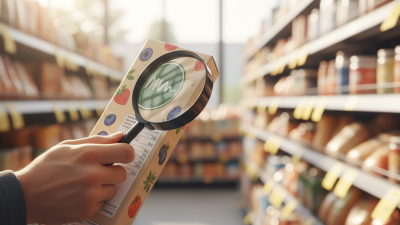
Consumers are increasingly aware of what they eat. They prefer products with recognizable ingredients. Natural food flavouring contributes to transparency and trust in brands. This choice not only enhances taste but aligns with the growing trend of mindful consumption. Brands that embrace this shift can stand out in a crowded market.

The Growing Demand for Natural Food Flavouring in Global Markets
The global market for natural food flavoring is rapidly expanding. According to a report by Grand View Research, the market size is projected to reach $14.3 billion by 2026. This significant growth reflects a shift in consumer preferences toward healthier and more sustainable products. Many consumers are now prioritizing natural ingredients over artificial alternatives.
Data from the Food and Agriculture Organization shows that 70% of consumers feel more confident purchasing products that list natural flavorings. This trend indicates a growing demand for transparency in food sourcing. Buyers today are more aware of the health implications linked to synthetic additives. Many question whether artificial flavors are safe in the long term.
Natural food flavorings are derived from plant sources, ensuring that they retain the original taste profile. They provide unique flavors that can enhance the appeal of products. However, sourcing high-quality natural flavors can be challenging. Variability in crop yields and seasonality can impact availability and pricing. Brands must balance innovation with reliability to meet consumer expectations. This creates a need for manufacturers to build strong supplier relationships and maintain product integrity.
Key Differences Between Natural and Synthetic Food Flavourings
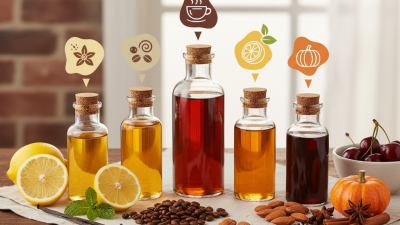
Natural food flavourings stand out for their authenticity. They are derived from natural sources like fruits, spices, and herbs. In contrast, synthetic flavourings come from artificial processes and chemicals. This fundamental difference impacts the flavor profile significantly. Natural flavours tend to offer more complex and nuanced tastes. They can evoke the true essence of their source, enriching the overall sensory experience.
However, using natural ingredients can pose challenges. Consistency in flavor may vary between batches, leading to unpredictable product outcomes. This can be frustrating for product developers. On the other hand, synthetic flavourings provide consistency and longevity in products. They remain stable under various conditions, and their availability is often more reliable than natural counterparts. Understanding these differences is crucial for food manufacturers aiming for quality and authenticity.
Choosing between these options requires careful consideration. While natural flavourings promote health benefits and a clean label appeal, they can be more costly. Synthetic products might be more budget-friendly yet raise concerns regarding artificial additives. The decision should align with the product’s vision and target audience. Each choice comes with its own set of strengths and weaknesses.
Health Benefits Associated with Natural Food Flavouring Ingredients
Natural food flavouring has gained popularity in recent years. People are becoming more aware of what they consume. This shift toward natural ingredients is not just a trend; it is backed by significant health benefits. Natural flavourings are derived from plants, fruits, and herbs. They contain fewer synthetic chemicals compared to artificial flavourings. This makes them a safer choice for consumers.
Many natural flavouring ingredients are rich in antioxidants and vitamins. For instance, extracts from citrus fruits can support the immune system. These flavourings can also enhance the nutritional profile of food products. When we choose natural flavours, we are not just improving taste. We are also nourishing our bodies with essential nutrients. However, it’s crucial to consider that “natural” does not always mean healthier. Some natural ingredients can still cause allergic reactions.
Consumers should educate themselves about the sources of these flavourings. Understanding the extraction process is vital. Not all natural flavourings are created equal. Some may lose potency during production. Transparency from manufacturers is necessary for informed choices. As we embrace natural food flavourings, a careful evaluation of ingredients is essential. This way, we can maximize health benefits while enjoying delicious food.
Why Choose Natural Food Flavouring for Your Products? - Health Benefits Associated with Natural Food Flavouring Ingredients
| Flavouring Ingredient |
Source |
Health Benefits |
Common Uses |
| Vanilla Extract |
Vanilla beans |
Rich in antioxidants, promotes digestive health |
Baking, ice creams, beverages |
| Lemon Zest |
Lemons |
Boosts immune system, aids digestion |
Dressings, marinades, desserts |
| Cinnamon |
Cinnamon bark |
Anti-inflammatory, regulates blood sugar |
Baking, beverages, savory dishes |
| Mint |
Mint leaves |
Soothes digestive issues, freshens breath |
Teas, desserts, sauces |
| Ginger |
Ginger root |
Anti-nausea, boosts immunity |
Beverages, marinades, candy |
Consumer Preferences Shifting Towards Natural Ingredients in Food Products
The shift towards natural ingredients in food products reflects changing consumer preferences. More people are wary of artificial additives. They desire transparency and authenticity in what they consume. Natural food flavoring meets these demands by using ingredients sourced from nature. This not only enhances flavors but also supports a healthier lifestyle.
Understanding consumer preferences can help brands stay relevant. Here are a few strategies to consider. Focus on storytelling around your ingredients. Highlight where they come from and their benefits. This builds trust and connects with health-conscious consumers. Additionally, ensure that your labeling is clear and honest. Misleading claims can lead to consumer backlash.
Reflecting on your product's composition may reveal areas for improvement. Are artificial flavors still part of your offerings? Transitioning to natural options might enhance your brand image. Listen to consumer feedback and adapt accordingly. Natural flavorings can elevate your products while resonating with the growing demand for authenticity.
Regulatory Trends Impacting Natural Food Flavouring Industry Practices
Regulatory trends are transforming the natural food flavouring industry. With increasing consumer demand for transparency, companies must adapt. Regulations are becoming stricter, focusing on authenticity and sourcing of ingredients. This shift creates a need for brands to prioritize natural flavourings over synthetic ones.
A significant change is the emphasis on ingredient labeling. Consumers want to know what they are consuming. Labels must clearly reflect the use of natural flavourings. Furthermore, regulatory bodies are now more diligent in monitoring these claims. This means companies must prove their sourcing practices are genuine. Compliance can be challenging, but it also presents an opportunity for innovation. Developing unique, natural flavourings can set a product apart in a crowded market.
The industry must remain agile. As regulations evolve, companies must stay informed and adaptable. Challenges in meeting these standards can arise. However, those who invest in quality sourcing and transparency often gain a competitive edge. The future of natural food flavouring will undoubtedly involve ongoing reflection and adaptation in response to these trends.