
Loading...

What Are Natural Flavor Extracts and How Are They Used?

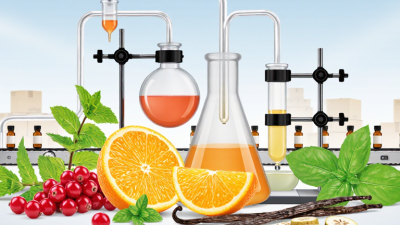
Natural flavor extracts bring recognizable aromas and tastes into foods, drinks, and culinary products. They are concentrated preparations made from natural sources, such as fruits, herbs, spices, flowers, or other edible materials. Extraction methods may include pressing, soaking, distillation, or controlled heating. Each method affects the final aroma, strength, color, and stability.

A vanilla extract can add warm, sweet notes to cake batter. Citrus extracts may brighten sparkling water, sauces, or confectionery. Food manufacturers also use natural flavor extracts when fresh ingredients vary by season. However, “natural” does not automatically mean healthier, stronger, or more sustainable. Definitions and labeling requirements can differ between countries, so careful readers should examine ingredient statements and product information. Quality depends on source materials, processing controls, storage, and skilled formulation. Light, heat, oxygen, and time can slowly weaken delicate flavors.

Small details matter. A poorly sealed bottle may lose its bright lemon aroma before the recipe is finished. Experienced developers test extracts in the actual food, not only in water. They evaluate taste, texture, aroma, shelf stability, and consumer expectations. Even then, results can be imperfect. One batch may taste slightly different from another. That uncertainty deserves attention, rather than confident promises. Understanding these practical limits makes it easier to choose, use, and evaluate natural flavor extracts responsibly.
What Are Natural Flavor Extracts and How Are They Used?

Definition and Basic Characteristics of Natural Flavor Extracts

What Are Natural Flavor Extracts and How Are They Used?

Definition and Basic Characteristics of Natural Flavor Extracts

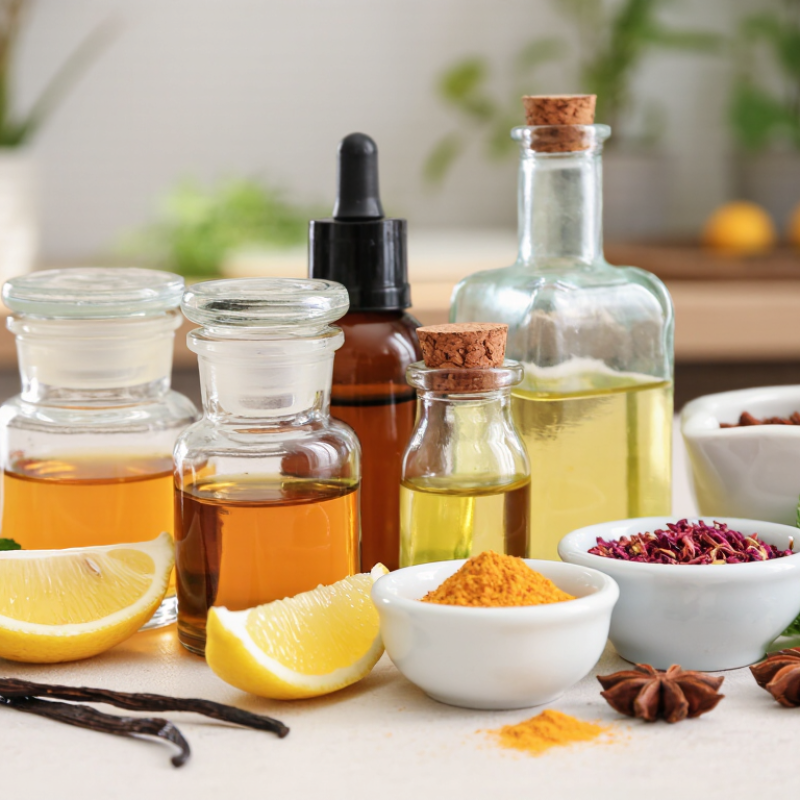
Natural flavor extracts are concentrated preparations made from edible plant, fruit, spice, or botanical materials. They carry selected aroma and taste compounds from the original source. Common examples include citrus peel, vanilla beans, mint leaves, and roasted coffee.

Manufacturers may use water, alcohol, oil, or other approved food-grade carriers. The method depends on the material and the desired flavor profile. Gentle processing can help protect delicate volatile compounds. However, some aroma may still fade during heating, storage, or exposure to light.

Small details matter.

An extract is not simply a crushed ingredient. It is usually more concentrated and easier to measure in beverages, baked goods, sauces, and confectionery. A few drops can change the sensory balance of a recipe. Experienced product developers often test extracts at several levels, because excessive use may create a sharp or artificial-tasting impression.

Natural does not automatically mean organic, sugar-free, or more nutritious. Its meaning generally relates to the source of the flavoring substance, while labeling requirements vary by market. The final flavor can also differ between batches. Soil, harvest time, extraction temperature, and storage conditions all influence performance.

In practical testing, a sample should be evaluated for aroma, taste, color, clarity, and aftertaste. I have found that a promising extract can behave differently after baking or pasteurization. That uncertainty deserves attention, not quick assumptions.

Sources and Methods Used to Obtain Natural Flavor Extracts

Natural flavor extracts begin with edible plant materials and carefully selected botanical sources.

Common examples include citrus peels, vanilla pods, mint leaves, ginger roots, roasted seeds, and berry concentrates. Their origin affects aroma, color, stability, and cost. A citrus peel may provide bright oils, while dried herbs offer deeper notes. Good sourcing starts with correct botanical identification and documented harvest conditions. Soil, climate, maturity, and storage can change the final profile.

Manufacturers choose extraction methods according to the plant’s chemistry and intended use.

Water extraction works well for some soluble compounds and produces gentle flavor notes. Food-grade ethanol can draw out both aromatic and water-soluble components. Steam distillation captures volatile oils from herbs and spices. Cold pressing is common for citrus peels, where gentle pressure releases aromatic oil. For delicate materials, supercritical carbon dioxide may reduce heat exposure. Oil-based extraction can carry fat-soluble aromas into stable flavor systems.

Each method leaves a different chemical fingerprint. No method is perfect.

Professional control continues after extraction.

Skilled teams test identity, purity, strength, and contaminants with validated laboratory methods. They also compare batches against sensory references, not only instrument readings. Traceable records connect each extract to its source and processing conditions. Regulatory definitions of natural flavor vary by region, so technical review matters. The label may sound simple. The process is not. In practice, producers balance authenticity, safety, consistency, and resource use. Natural materials rarely behave identically twice.

Key Components That Create Flavor and Aroma

Natural flavor extracts are concentrated preparations made from edible plant or animal sources. They capture compounds responsible for taste, aroma, or both. A citrus extract may contain limonene, while vanilla relies on vanillin and related aromatic molecules. These components behave differently. Some dissolve well in oil, while others prefer water or alcohol-based carriers. The extraction method also matters. Steam distillation highlights volatile aromas, while solvent or pressure extraction can preserve heavier flavor compounds.

Flavor is rarely created by one molecule alone. Esters can suggest fruity notes. Aldehydes may add citrus or green impressions. Terpenes often bring bright, herbal, or floral aromas. Phenolic compounds can create warm, spicy, or smoky sensations. In food development, formulators consider concentration, heat stability, acidity, and interaction with sugars or fats. A small change can shift a drink from fresh to harsh. Flavor perception is messy. Even experienced professionals must test extracts in the final recipe, not only in a sample vial.

Tips: Store extracts in tightly closed, light-resistant containers. Measure carefully, because strong aromas can overwhelm delicate ingredients. Check the ingredient statement and supplier documentation for source, allergens, and intended use. Natural does not always mean simple or automatically better. I still find that a carefully balanced blend can taste more convincing than a single powerful extract. Record each trial, including temperature and resting time. Aroma may soften after several hours.

Applications in Foods, Beverages, and Other Products

Natural flavor extracts are concentrated aromatic compounds taken from fruits, herbs, spices, flowers, or other permitted natural sources. Producers use water, alcohol, oil, or controlled extraction to capture recognizable notes. Citrus peel can create a bright top note, while vanilla extract adds warmth to bakery products. The method matters. Heat may deepen flavor but can remove delicate aromas. Cold extraction often protects them better.

In foods, these extracts support yogurt, confectionery, sauces, cereals, and baked goods. They can strengthen fruit identity when fresh ingredients lose flavor during processing. In beverages, manufacturers use them in sparkling drinks, teas, flavored water, and powdered mixes. A 2024 Natural Flavors Market report estimated that the sector could grow at about 6% annually through the decade. This reflects demand for familiar ingredients and clearer ingredient lists, although market forecasts are not guarantees.

Other applications include nutrition products, oral-care formulas, household items, and personal-care products. A small amount can make a product smell fresh or improve its sensory balance. Extraction quality, dosage, storage, and interaction with acids or heat require technical testing. The word “natural” also has different regulatory meanings across regions. It should never replace a full ingredient review. I would not treat a natural extract as automatically healthier. That assumption needs evidence, and sometimes the evidence remains incomplete.

Storage, Labeling, and Safety Considerations

What Are Natural Flavor Extracts and How Are They Used?

Natural flavor extracts are concentrated substances taken from edible plants, spices, fruits, or other natural sources. They add aroma and taste to foods, drinks, and baked products. Their strength can vary widely, so a small measuring error may change the entire recipe. In a test kitchen, I prefer weighing extracts instead of relying only on drops.

Storage affects both quality and safety. Keep the container tightly closed, away from sunlight, heat, and moisture. A cool cupboard often works, but some extracts require refrigeration. The supplier’s instructions should guide that decision. Mark the opening date on the label. It is easy to forget. Discard an extract if its smell changes, the liquid becomes cloudy, or the seal appears damaged. These signs do not always prove contamination, but they deserve attention.

Labels should identify the extract, ingredient sources, allergens, net amount, lot number, and best-use date when applicable. Requirements can differ by country, so current food-labeling rules must be checked before sale. Do not assume “natural” means risk-free. Review the technical sheet, intended food use, and recommended concentration. Use clean, dry utensils to prevent microbial transfer. People with allergies may react to source materials or carriers, even in small amounts. For professional production, retain supplier documents and record each batch. I sometimes find that simple records are incomplete, which is a weakness worth correcting.

What Are Natural Flavor Extracts and How Are They Used? - Storage, Labeling, and Safety Considerations
Data Dimension Factual Information Practical Use or Guidance Storage, Labeling, or Safety Note
Basic definition Natural flavor extracts are concentrated flavoring preparations obtained from natural sources such as fruits, herbs, spices, vegetables, or other edible plant materials. They are used to add or restore aroma and taste in foods, beverages, baked goods, confectionery, sauces, and dietary products. “Natural” describes the source or origin of the flavoring ingredients; it does not automatically mean the product is more nutritious or safer than every artificial alternative.
Common extraction methods Common methods include water extraction, alcohol extraction, oil extraction, steam distillation, and carbon-dioxide extraction. The method affects flavor strength, solubility, aroma profile, color, and suitability for different food formulations. The carrier or solvent should be identified in technical documentation when relevant, especially for products designed for children, religious diets, or alcohol-restricted applications.
Typical physical forms Natural extracts may be supplied as liquids, concentrated pastes, emulsions, or dry powders. Liquid extracts are convenient for beverages and batters, while powders can be useful in dry mixes and applications where low moisture is required. Powders can absorb moisture; liquid extracts may be sensitive to evaporation, separation, oxidation, or microbial growth depending on their formulation.
Flavor concentration Extract strength varies substantially according to the source material, extraction ratio, processing method, and carrier system. Use the supplier’s recommended dosage and conduct sensory testing before increasing the amount. Overuse may create bitterness, harshness, excessive aroma, color changes, or an unbalanced flavor profile.
Recommended storage temperature Most extracts should be stored in a cool, dry place and protected from excessive heat. Keep containers away from ovens, steam lines, direct sunlight, and areas with large temperature fluctuations. The manufacturer’s storage specification takes priority. Refrigeration should only be used when recommended, because condensation and temperature cycling can affect quality.
Light and oxidation control Light, oxygen, and heat can gradually reduce the intensity and freshness of some volatile flavor compounds. Use tightly closed, appropriately sized containers and minimize unnecessary exposure during dispensing. Opaque or amber packaging may help protect light-sensitive extracts. Discard material showing unusual odor, color, separation, or visible contamination.
Shelf life Shelf life depends on the extract’s composition, water activity, acidity, carrier, packaging, and storage conditions. Apply first-in, first-out inventory control and monitor opened containers separately from unopened stock. The printed best-before or expiration date should be followed. After opening, quality may decline faster than the unopened shelf-life period suggests.
Container handling Flavor compounds can be volatile and may be affected by unsuitable plastics, air exposure, or repeated opening. Use clean, food-contact-compatible containers and close the cap immediately after dispensing. Do not return unused extract to the original container, as this can introduce moisture or contamination.
Label declaration In the United States, flavor ingredients may generally be declared as “natural flavor” or “natural flavors” when they meet the applicable regulatory definition. Food labels commonly list the flavor declaration in the ingredient statement rather than naming every individual flavor compound. Labeling rules differ by country and product category. Confirm requirements with the applicable food authority before marketing a product.
Carrier and processing aids An extract may contain a carrier such as water, ethanol, glycerin, or a permitted edible oil, depending on the formulation. Carriers influence dispersion, flavor release, evaporation rate, and compatibility with the finished product. Review the complete specification and allergen statement rather than relying only on the phrase “natural flavor.”
Alcohol-containing extracts Some liquid extracts use ethanol as an extraction solvent or carrier. The amount remaining in the finished food depends on the formulation and processing conditions. Consider alcohol content when developing products for children, alcohol-free claims, religious requirements, or heat-sensitive applications. Check the product specification and applicable labeling rules; heating does not guarantee complete alcohol removal.
Allergen considerations The source material, carrier, or shared manufacturing equipment may introduce a regulated allergen risk. Request an allergen declaration and evaluate the extract within the finished product’s overall allergen-control program. Do not assume that “natural” means allergen-free. Follow the allergen-labeling requirements of the target market.
Microbiological safety Water-containing extracts can support microbial growth if they are not properly formulated, preserved, processed, or stored. Use hygienic handling, clean utensils, closed containers, and documented storage controls. A low-moisture or alcohol-containing extract is not automatically sterile. Follow the supplier’s microbiological specification.
Food safety documentation Commercial food ingredients should be supported by appropriate specifications and quality documentation. Review identity, composition, allergens, country-specific compliance, storage conditions, and lot information before use. Keep lot records and traceability information so affected batches can be identified if a quality or safety issue occurs.
Consumer safety message Natural flavor extracts are intended for use at appropriate food-processing levels, not for unrestricted consumption as concentrated products. Follow the formulation instructions and use only food-grade materials intended for the relevant application. Keep concentrated extracts away from children and avoid contact with eyes or prolonged skin exposure. Seek professional advice if an adverse reaction occurs.