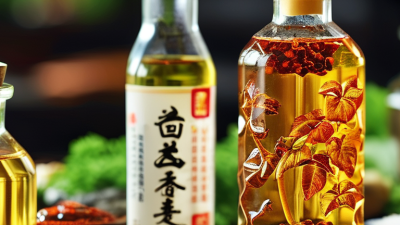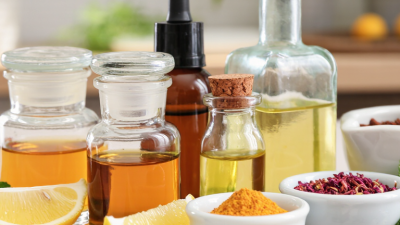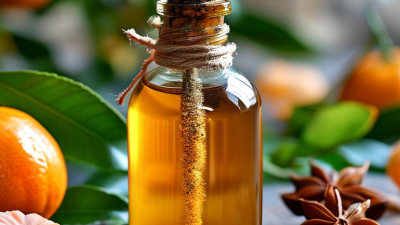

China has become an important source of botanical ingredients, aromatic compounds, and food-grade flavor materials. Its diverse climate supports citrus, tea, ginger, cinnamon, osmanthus, and many other plants. For manufacturers, all natural flavor extracts from China can offer distinctive aromas, regional character, and practical supply options. Yet origin alone does not guarantee quality.
This guide examines popular extracts used in beverages, confectionery, bakery products, sauces, and nutritional foods. Expect familiar choices such as green tea, ginger, orange peel, jasmine, and vanilla-style botanical blends. Each can behave differently in a formula. Ginger may bring sharp warmth, while osmanthus offers a softer floral note. Small dosage changes matter. A few drops can alter an entire beverage profile.
Reliable evaluation requires more than tasting a sample. Buyers should review botanical names, extraction methods, carrier ingredients, allergen statements, batch records, and laboratory testing. Certificates can support confidence, but they still deserve careful verification. Supplier experience matters too. A transparent producer should explain harvest timing, processing conditions, storage, and traceability.
Some comparisons remain imperfect. Flavor descriptions are subjective, and regional crops may vary between seasons. Even excellent extracts can perform differently after heating or blending. That is worth remembering. This overview therefore focuses on practical selection, sensory performance, documentation, and responsible sourcing. The strongest choice is not always the most intense extract. It is the one that fits the product, process, budget, and quality expectations.
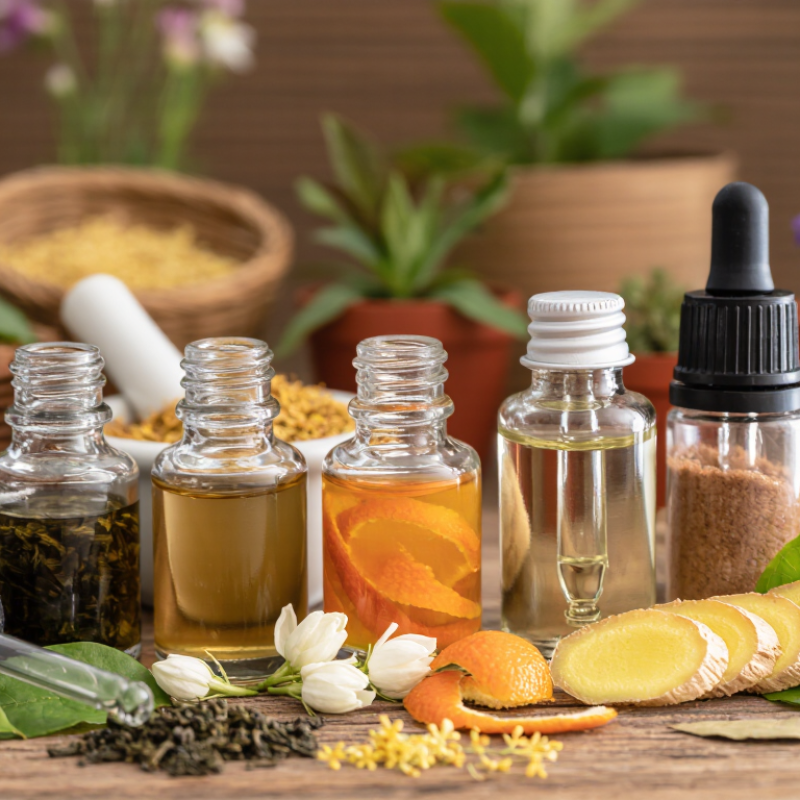
China produces a wide range of all-natural flavor extracts from regional plants, fruits, seeds, and flowers. Citrus extracts from orange, lemon, and pomelo peels offer bright, clean notes for drinks and confectionery. Green tea extract adds fresh, grassy depth, while ginger creates warm heat and a sharp finish. Cinnamon, star anise, Sichuan pepper, and clove provide stronger profiles for sauces, bakery products, and savory foods. Osmanthus and jasmine extracts are more delicate, with floral aromas suited to beverages and desserts.
Botanical extracts also include lotus, chrysanthemum, roasted barley, and fruit flavors such as peach, lychee, and hawthorn. Each type depends on the plant variety, harvest timing, drying method, and extraction process. In practical sourcing, I check the botanical name, country of origin, carrier ingredients, and batch testing records. “Natural” can mean different things across markets. That detail is easy to overlook.
Tips: Request a small sample before approving a large order. Compare aroma strength, color, solubility, and performance after heating. Ask for testing related to heavy metals, microbes, allergens, and solvent residues. A clear traceability system should connect the finished extract to its raw material and production batch. Do not judge quality by aroma alone. I once found a pleasant sample became weak after dilution, so stability testing matters. Suppliers should also explain storage needs, because heat, light, and moisture can quickly change delicate floral and citrus notes.
What Are the Top All Natural Flavor Extracts from China?
Chinese flavor extracts often begin with familiar botanical sources, including osmanthus flowers, green tea leaves, ginger rhizomes, citrus peels, and Sichuan pepper. Each plant brings a distinct sensory profile. Osmanthus can add a soft apricot note, while green tea contributes fresh, slightly bitter depth. Ginger feels warmer and sharper. Citrus peel supplies bright top notes.
Extraction results depend on the plant part, harvest timing, and drying conditions. In practical formulation work, I have found that small changes in moisture can affect aroma strength. Fresh ginger may smell lively, but dried ginger often provides greater concentration. That difference matters in beverages, confectionery, and savory applications. Natural does not mean uniform.
Careful sourcing should include botanical identification, traceability, and batch-level testing. Suppliers should document the plant species and extraction solvent used. Food-grade processing is essential. Sensory evaluation also remains important because laboratory data cannot fully predict consumer perception. A clean chromatogram does not guarantee a balanced flavor.
Some extracts need restraint. Citrus notes can become harsh, and Sichuan pepper may overpower delicate formulas. I once underestimated how quickly tea bitterness developed in a simple prototype. The mistake was useful. It showed that botanical extracts need gradual dosing, stability checks, and storage trials before scale-up.
| Botanical Source | Scientific Name | Plant Part Used | Typical Natural Extraction | Important Flavor Compounds | Characteristic Flavor Profile | Common Flavor Applications |
|---|---|---|---|---|---|---|
| Star Anise | Illicium verum | Dried fruit | Steam distillation or solvent extraction | trans-Anethole, estragole, linalool | Sweet, anise-like, warm and mildly licorice-like | Seasonings, baked goods, confectionery, beverages and savory sauces |
| Chinese Cassia | Cinnamomum cassia | Bark and bark oil | Steam distillation, maceration or hydroalcoholic extraction | Cinnamaldehyde, coumarin, eugenol | Sweet, woody, spicy and warming | Tea, bakery products, desserts, spice blends and flavored beverages |
| Sichuan Pepper | Zanthoxylum bungeanum | Dried fruit husk | Oil extraction, oleoresin extraction or alcohol extraction | Linalool, limonene, geraniol and hydroxy-alpha-sanshool | Citrusy, floral, peppery with a distinctive tingling sensation | Savory sauces, chili oils, snack seasonings and meat products |
| Ginger | Zingiber officinale | Rhizome | Steam distillation, oleoresin extraction or liquid extraction | Zingiberene, citral, geraniol, gingerols and shogaols | Fresh, citrusy, warm, spicy and slightly pungent | Soft drinks, teas, sauces, confectionery, bakery and savory foods |
| Tangerine Peel | Citrus reticulata | Fruit peel | Cold pressing, steam distillation or solvent-free extraction | d-Limonene, gamma-terpinene, linalool and citral | Bright citrus, sweet, fresh and slightly bitter | Beverages, candies, bakery, tea blends and functional food products |
| Osmanthus Flower | Osmanthus fragrans | Fresh or dried flowers | Ethanol extraction, enfleurage or volatile recovery | Linalool, beta-ionone, ionol and damascenone | Apricot-like, floral, fruity and honeyed | Tea, dairy desserts, confectionery, syrups and fruit beverages |
| Jasmine Flower | Jasminum sambac | Flowers | Ethanol extraction, concrete production or aroma recovery | Benzyl acetate, linalool, benzyl alcohol and indole | Rich floral, sweet, slightly green and softly fruity | Tea, beverage concentrates, confectionery and dairy applications |
| Green Tea | Camellia sinensis | Young leaves and buds | Aqueous extraction, hydroalcoholic extraction or aroma distillation | Hexanal, linalool, geraniol, catechins and theanine | Fresh, grassy, vegetal, mildly astringent and umami-like | Ready-to-drink tea, bakery, confectionery, dairy and nutraceutical beverages |
| Chrysanthemum Flower | Chrysanthemum morifolium | Flower heads | Hot-water extraction or hydroalcoholic extraction | Camphor, borneol, pinene, flavonoids and volatile terpenes | Herbal, floral, slightly bitter and cooling | Herbal teas, functional beverages, syrups and botanical blends |
| Lotus Flower | Nelumbo nucifera | Flowers and petals | Aqueous extraction or ethanol extraction | Linalool, benzyl alcohol, methyl salicylate and flavonoids | Delicate floral, green, sweet and lightly honeyed | Tea, flavored water, desserts, confectionery and botanical drinks |
| Chinese Angelica | Angelica sinensis | Root | Hydroalcoholic extraction or steam distillation | Ligustilide, ferulic acid, butylidenephthalide and terpenes | Aromatic, earthy, celery-like, spicy and slightly sweet | Traditional botanical beverages, savory broths and herbal flavor systems |
Note: Flavor composition can vary with cultivar, growing region, harvest stage, drying conditions and extraction method. Food-use approval and maximum permitted levels should be confirmed for the target market.
Natural flavor extracts from China often begin with citrus peels, tea leaves, flowers, spices, and edible herbs. Their quality depends on botanical identity, harvest timing, and storage conditions. The U.S. Food and Drug Administration defines natural flavor under 21 CFR 101.22(a)(3), including extracts, distillates, and essential oils from plant or animal sources. A 2024 Grand View Research assessment valued the global natural flavor market at approximately USD 8.9 billion in 2023.
Manufacturers usually wash and sort the raw materials before extraction. Water, ethanol, or food-grade carbon dioxide can draw aroma compounds from the plant tissue. Steam distillation suits volatile oils, while solvent extraction can recover heavier flavor fractions. Cold pressing is common for some citrus materials. The liquid is then filtered, concentrated, and sometimes vacuum-distilled at lower temperatures. This reduces heat damage. It also protects delicate notes.
Refining requires more than a clear appearance. Laboratories check identity, microbial safety, pesticide residues, heavy metals, and solvent limits. ISO 9235:2021 provides terminology for natural aromatic raw materials, while JECFA evaluations support international safety assessments for flavoring substances. In practice, batch-to-batch variation remains a challenge. Rainfall changes aroma strength. Poor storage can flatten freshness. A polished extract may still need sensory comparison against the original botanical. That step is easy to underestimate. Even advanced processing cannot fully correct weak raw materials.
Natural flavor extracts from China can include citrus oils, ginger, green tea, vanilla, pepper, and floral botanicals. Their appeal is growing. MarketsandMarkets estimated the global natural food flavors market at about USD 8 billion in 2024, with continued growth expected through 2029. Yet growth does not replace verification.
Quality begins with botanical identity and controlled processing. Suppliers should provide the Latin plant name, extraction method, origin, harvest details, and batch number. Testing should cover pesticides, heavy metals, microbes, allergens, and residual solvents.
ISO 22000 or HACCP systems strengthen food-safety control. Independent laboratories accredited to ISO/IEC 17025 can make results more credible. China’s GB 2760 standard also helps confirm whether an ingredient is permitted for its intended food use.
Authenticity needs more than a polished certificate. HPLC, GC-MS, HPTLC, or DNA testing can reveal dilution, substitution, or unusual chemical profiles. The 2024 Global Food Safety Initiative benchmarking materials emphasize traceability, supplier approval, and documented corrective actions. Those controls matter when a clear ginger extract arrives in a sealed drum, but its aroma seems strangely flat. A certificate is not proof of every batch. That distinction matters.
Tips: Request a recent certificate of analysis, not a template. Match the lot number across packaging, test reports, and shipping documents. Ask for retention samples and audit records. Check storage temperature, light exposure, and seal condition. Small gaps deserve questions.
China’s natural flavor extracts are widely used in foods and beverages. Green tea extract adds a fresh, slightly bitter note to sparkling drinks, milk tea, and functional beverages. Jasmine and osmanthus extracts create floral aromas in teas, syrups, desserts, and bakery fillings. Their delicate profiles work best at low dosage.
Ginger extract brings warmth to fruit drinks, sauces, confectionery, and winter beverages. Citrus peel extracts can brighten carbonated drinks, marinades, jams, and baked goods with a clean, sharp aroma. Lychee, peach, and hawthorn extracts are also useful in juices, fruit wines, candies, and yogurt-style products. Flavor developers often combine them with acids or natural sweeteners for better balance.
Not every extract performs neatly. Heat may weaken floral notes, while oil-based extracts can separate in water-based drinks. That is where practical testing matters. A food manufacturer should review botanical identification, extraction methods, allergen information, batch consistency, and contaminant testing before production. Traceable sourcing supports reliable quality. Sensory trials should check aroma, aftertaste, color, and stability after storage. A flavor that smells excellent in a sample may taste too strong after pasteurization. Small pilot batches reveal these problems earlier, although they cannot replace full compliance reviews.